









1. The Power of a Pure Underdog Story
It’s the oldest story in the book: David vs. Goliath. American sports culture is saturated with Cinderella stories, from the 1980 “Miracle on Ice” hockey team to a 16-seed threatening a 1-seed in March Madness. We are conditioned to love an underdog.
When a nation like Croatia, with a population smaller than New York City’s, makes a run to the World Cup Final, it taps directly into that narrative vein. There’s a purity to it. These teams aren't global Goliaths with billion-dollar payrolls; they are often scrappy squads fueled by national pride and a once-in-a-generation star. Rooting for them feels like rooting for the fundamental spirit of competition itself, where passion and teamwork can, just for a moment, conquer overwhelming odds.
2. It's All of the Fun, None of the Heartbreak
Let’s be honest: being a die-hard fan is stressful. Every missed shot, bad call, and eventual loss for your primary team can ruin a weekend. Adopting a second team, especially a small nation, is fandom without the baggage. It’s a low-stakes emotional investment. If they win, it’s a thrilling, unexpected joy. You get to celebrate a historic moment you had no right to expect. If they lose? Oh well, they weren’t *your* team anyway. You can shrug, appreciate the great run they had, and move on with your day. This emotional free-roll is intoxicating. It allows fans to experience the highs of a dramatic tournament run without the crushing weight of identity-defining disappointment. It’s pure, distilled sports enjoyment.
3. A Low-Effort Dose of Global Culture
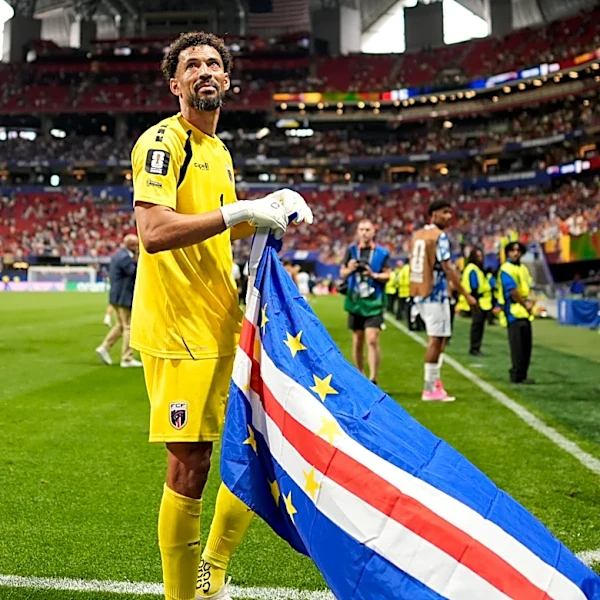
Adopting a team is a fantastic excuse to become a 24-hour expert on a country you might not have been able to find on a map yesterday. Suddenly, you’re learning about Iceland’s geothermal wonders and its iconic “Viking clap.” You’re Googling Morocco’s geography and discovering the passion of its diaspora. You’re learning to pronounce the names of Croatian midfielders. This temporary immersion is a form of cultural tourism from your couch. It connects you to the wider world in a way that feels organic and exciting, not like a homework assignment. For a few weeks, that nation’s flag becomes your banner, and its story becomes your story. It’s a fun, accessible way to feel a little more connected to the global community.
4. The Narrative is Just Better
Frontrunners are often boring. Their stories are about maintaining dominance, managing expectations, and leveraging immense resources. The stories of smaller nations are almost always better. They are about defying history, like Morocco becoming the first African nation to reach a World Cup semifinal in 2022. They’re about a “golden generation” of players, like Croatia’s Luka Modrić leading his team to glory in the twilight of his career. Or they are simply about the sheer, unadulterated joy of a team like Jamaica’s bobsledders, who captured the world’s imagination just by showing up. These compelling narratives are easy to latch onto. They have clear heroes, identifiable stakes, and a built-in dramatic arc that’s far more cinematic than watching a perennial favorite cruise to another expected victory.
5. It Feels Good to Not Be the Empire
As the world’s dominant cultural and economic superpower, America is almost always the “Empire” in any global narrative. Cheering for the U.S. can sometimes feel like cheering for the house in Vegas. But rallying behind a small nation flips that dynamic. It’s an act of sporting humility. It allows American fans to align themselves with a plucky upstart, to celebrate a victory that feels earned against the global establishment. There’s a quiet satisfaction in seeing a small country have its moment on the world stage, and being on their side feels more wholesome than simply rooting for another superpower to add another trophy to the case. It’s a vote for a multipolar sporting world, where anyone, from anywhere, can have their day.