



The On-Field Coach
In sports like American football, coaches can call a timeout to relay a complex play. In the fluid, continuous action of soccer, that’s impossible. The captain often acts as the coach’s proxy on the pitch. Watch them. You’ll see them constantly pointing,
shouting, and physically moving teammates into position. When the opposing team makes a substitution or a tactical shift, it’s often the captain who receives instructions from the sideline and disseminates them across the field. They are the living, breathing embodiment of the team's strategy. Is the team suddenly pressing higher up the field? Look for the captain to initiate it. Is the defensive line dropping deeper? The captain is likely the one organizing it, ensuring the gap between defenders and midfielders doesn't become too large. By following the captain, you're essentially getting a live look at the team's tactical adjustments without needing a Ph.D. in formations.
The Referee Whisperer
One of the most confusing aspects of soccer for newcomers is the officiating. Why was that a foul? What’s the argument about? While any player can get a yellow card for dissent, the captain has a unique, semi-formal license to communicate with the referee. When the whistle blows for a contentious call, notice who approaches the official. It’s almost always the captain, acting as the team's designated diplomat. They are tasked with pleading their team’s case, seeking clarification, or trying to calm a tense situation before it escalates into a flurry of cards. Watching these interactions provides a crucial signal. If the captain is calmly asking a question, the incident was likely minor. If they are frantically protesting, they believe the referee made a significant error. This interaction is a key piece of game management, and the captain is your guide to understanding the temperature of the match between the players and the official.
The Emotional Barometer
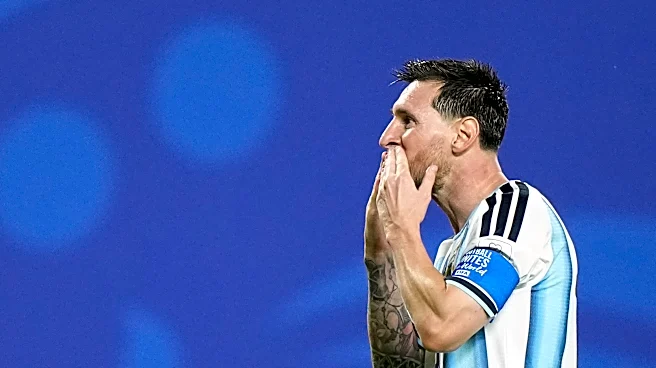
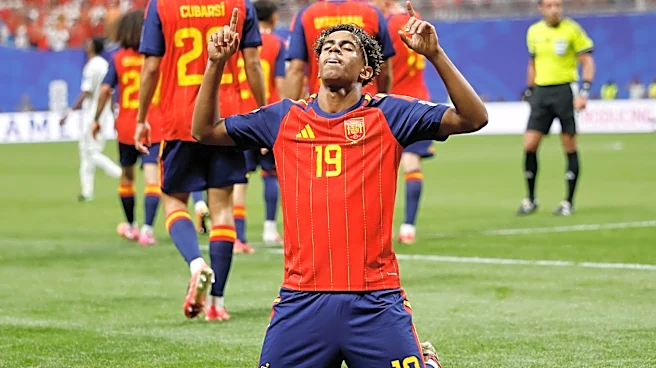
Soccer is a game of momentum and psychology, and the captain is the team's emotional core. Their body language is infectious. If the team concedes a cheap goal, watch the captain. Do they throw their hands up in disgust, or do they immediately clap, rally the troops, and get the ball back to the center circle for a quick restart? A captain’s reaction can dictate whether the team crumbles or responds with renewed determination. Likewise, after a great goal or a crucial defensive stop, see how the captain celebrates. They are often the first to congratulate the goal-scorer or praise the defender who made the tackle. This isn't just for show; it’s a deliberate act of leadership meant to reinforce positive behavior and maintain team morale. By tracking the captain’s reactions, you can read the emotional heartbeat of the team and anticipate shifts in confidence and momentum before they show up on the scoreboard.
The Positional Blueprint
Many captains are central defenders or holding midfielders for a reason: these positions provide a panoramic view of the entire field, both in attack and defense. They are the hinge upon which the team swings. If your captain is a center-back like Virgil van Dijk, watch how they command the defensive line. They are constantly scanning, checking their positioning relative to the ball, their goalkeeper, and the opposition's forwards. They are the ones shouting for the defensive line to step up in unison to catch an attacker offside, or to drop back to cover a dangerous run. If the captain is a midfielder like former Barcelona legend Sergio Busquets, watch how they dictate the tempo of the game. They are the metronome, deciding when to slow the game down with simple passes or when to speed it up with a decisive ball forward. Focusing on them isn't just watching one player; it’s watching the team’s entire structural game plan in motion.