
The Backstage Application: A Controlled Canvas
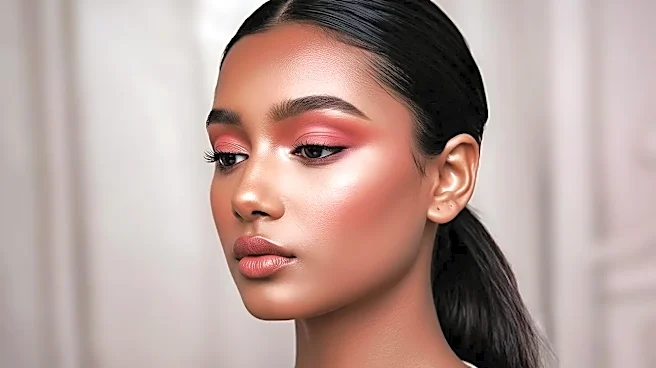
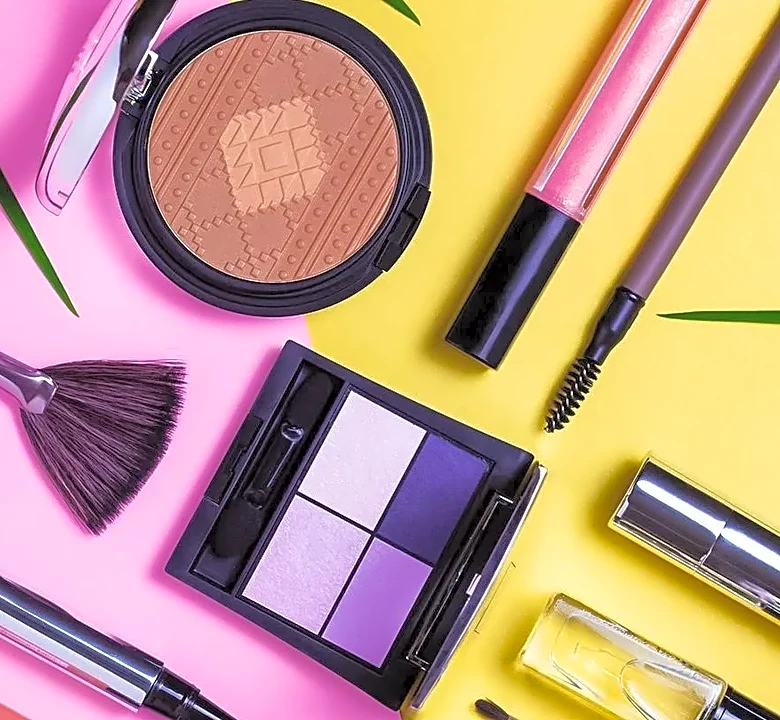
Backstage is a world of focused calm amidst the chaos. Here, under controlled, often neutral-toned lighting, makeup artists work like painters on a pristine canvas. Every detail is precise, from the blend of an eyeshadow to the subtle gradient of a lip
color. The goal is to realize the designer's vision in its purest form. In this setting, the makeup often appears exaggerated. A contour might look unblended, a highlighter overly intense, and colors shockingly bright. This isn't a mistake; it's the critical first step in a technical process. Artists are intentionally creating a look that is several shades bolder and more defined than the final desired effect. This initial 'over-application' is the foundation for what comes next.
The Science of Light and Washout
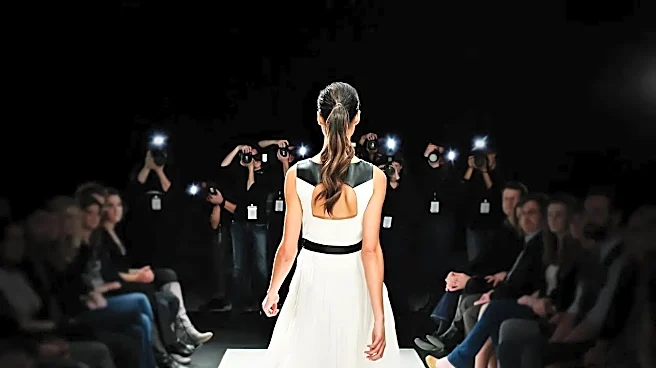
The moment a model steps onto the runway, their makeup is assaulted by an onslaught of powerful lights. These aren't the soft, flattering lights of a vanity mirror. Runway lighting is intensely bright, hot, and often comes from multiple angles to eliminate shadows for photographers. This intense brightness has one primary effect: washout. Just as a camera flash can bleach out a photo, runway lights can make carefully applied makeup seem to disappear. A soft blush vanishes, a subtle contour fades into nothing, and a nude lip can look like no lipstick at all. The heat from these lamps also poses a threat, causing products to melt or shift. Artists combat this with layers of primers and setting sprays to ensure the look has the endurance to survive the walk.
The Art of Strategic Overcompensation
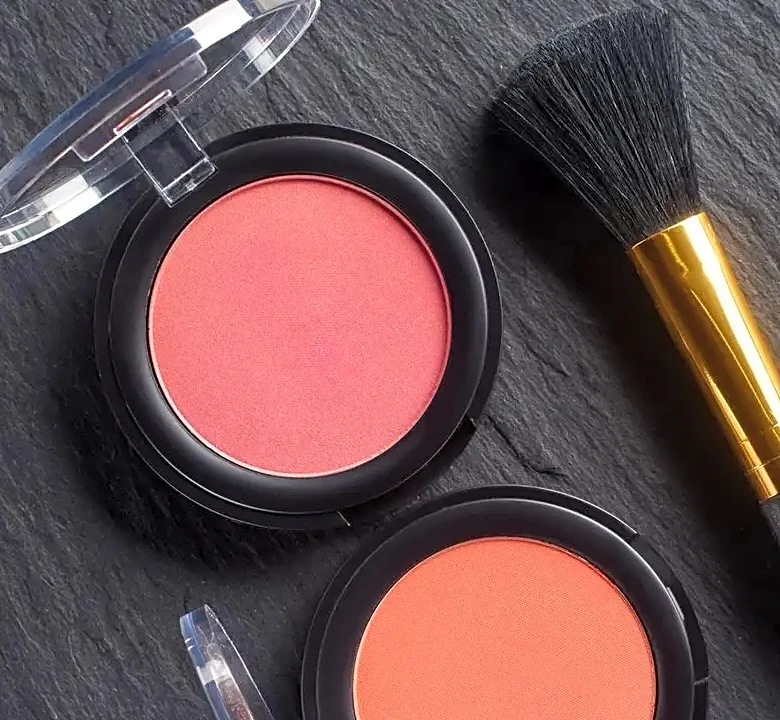
Knowing that the lights will steal at least 50% of the makeup's intensity, artists must strategically overcompensate. That harsh-looking contour backstage is sculpted to ensure the model's cheekbones are still visible from 30 feet away under blinding lights. Blush is applied with a heavier hand so that a healthy flush still registers on camera. Highlighters are chosen for their ability to create a 'wet' or 'glassy' sheen that catches the light intentionally, rather than a subtle shimmer that would be lost. Textures are also key. Artists might layer glossy finishes on eyelids or lips, knowing the bright lights will pick up that reflection and create a dynamic, high-impact effect that matte products can't achieve in the same way.
Color Temperature and Its Tricks
It’s not just the brightness of the light, but also its color. Lighting is measured in Kelvin, with warmer, yellow-toned lights having a low temperature and cool, blue-toned lights having a high one. A runway might be lit with warm gels that give everything a golden glow, or with stark, cool white light for a more futuristic feel. This color temperature dramatically alters how makeup shades appear. A red lipstick that looked perfect backstage can appear muddy or brownish under cool, blue-toned lights. Conversely, a pink blush might turn an unflattering shade of orange under very warm, yellow lights. Makeup artists often work with the show's lighting designer to understand the color environment, or use smart mirrors that can simulate different light temperatures to test the look before it hits the runway.
Designing for the Camera's Eye
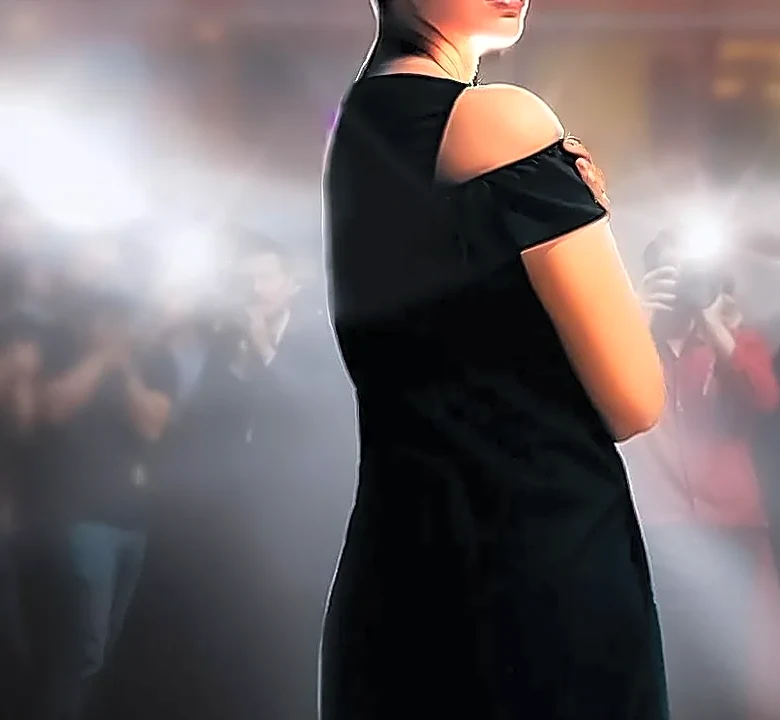
Ultimately, the vast majority of people who 'see' a London Fashion Week show do so through a screen. High-definition cameras and flash photography introduce yet another layer of transformation. Products with certain ingredients, like silica or titanium dioxide, can cause 'flashback'—a ghostly white cast that appears in photos. Artists must select products carefully to avoid this, often favoring finely milled powders and specific formulations designed for HD filming. The final look is a collaboration not just between the designer and the makeup artist, but between the artist and the unseen forces of light and technology. What appears on an Instagram feed is the result of a look being dialed up backstage, washed out by the runway, and then captured by a lens—a beautiful illusion perfected through science and skill.