

Translating the Vision
The entire process begins with a conversation. The pattern cutter's first and most crucial job is to get inside the designer's head. They meticulously analyze sketches, mood boards, and technical drawings to understand the intended silhouette, style,
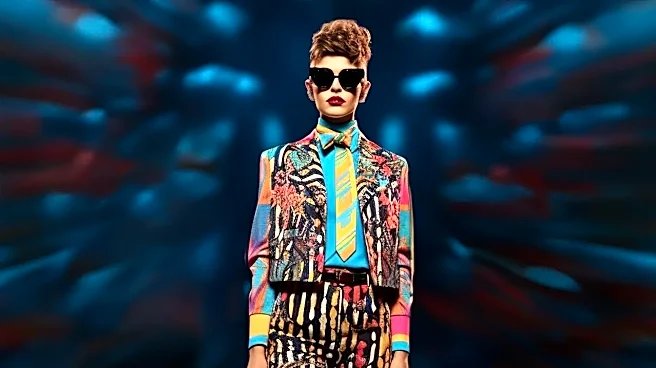
and fit. This isn't just about measurements; it's about capturing a feeling. Is the garment meant to flow, to constrain, to billow, or to sharply define the body? This initial interpretation sets the stage for everything that follows, as the cutter translates abstract ideas and 2D drawings into a technical blueprint. They become the architect of the apparel, deciding how to engineer the structure that will bring the vision to life.
The First Draft in Fabric
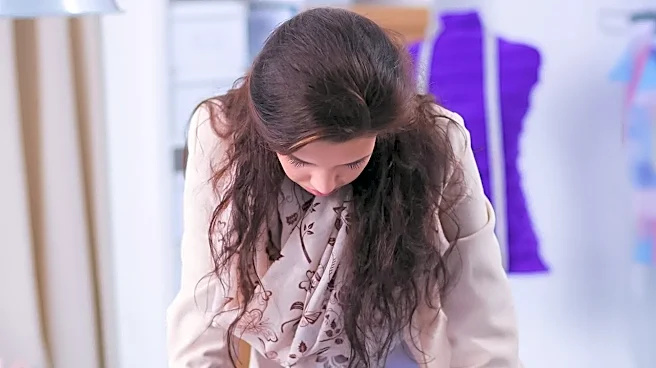
With the design concept clear, the cutter creates the first physical version of the garment, known as a toile or a muslin. This is a prototype, often made from inexpensive fabric, that allows the team to see the design in three dimensions for the first time. In high-end fashion houses, this might involve draping and pinning fabric directly onto a mannequin to find the shape and form. The cutter checks if the initial pattern pieces work together, if the proportions are correct, and if the basic shape matches the sketch. This is a critical problem-solving phase where adjustments are constant. The toile is the first reality check, and it's where the garment starts its journey from paper to person.
Perfecting the Fit and Movement
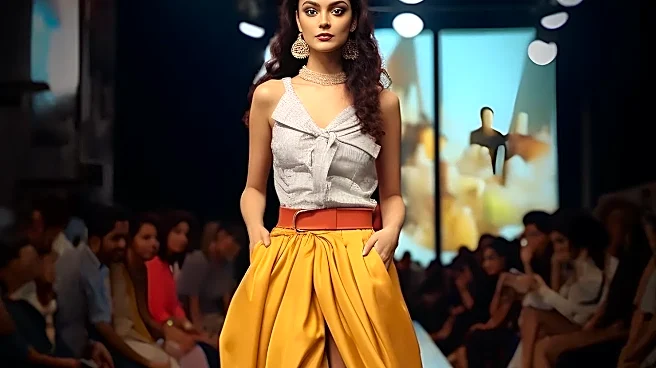
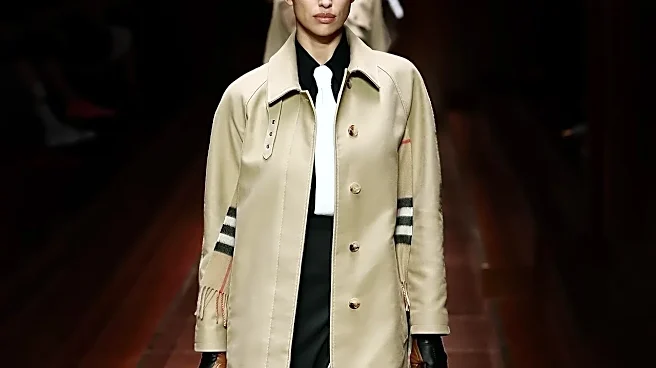
Once a toile is approved, the pattern is refined and the garment is made in its intended fabric for a fitting. This is where the checks become intensely detailed. The pattern cutter, along with the designer, assesses the garment on a live model. They check the balance, ensuring it hangs correctly on the body. They scrutinize the fit across the shoulders, the waist, and the hips. But for a runway show, it's not just about how it looks standing still. The cutter must ensure the garment works in motion. How does the fabric flow when the model walks? Does a sleeve restrict movement? Does a hemline kick out gracefully or awkwardly? This stage often involves numerous tweaks—a dart added here, a seam adjusted there—to achieve a flawless fit that feels as good as it looks.
Scrutinizing the Details and Seams
With the fit locked in, the focus shifts to the micro-details. The pattern cutter is responsible for the technical integrity of the final piece. They perform a thorough review of the garment's construction. Are the seams perfectly aligned? Is the stitching consistent and strong? They check that all finishes, from hems to collars and cuffs, are executed with precision. This technical fitting ensures that the garment isn't just beautiful but is also structurally sound. Any error, no matter how small, can compromise the entire look on the runway. The cutter also provides the master pattern to machinists and confirms that all the complex components can be assembled correctly under the intense pressure of fashion week deadlines.
The Final Pre-Show Check
In the frantic hours and minutes before the show, the pattern cutter is often backstage for the final sign-off. Even after weeks of preparation, last-minute issues can arise. A zipper might break, a seam could pop, or a garment might sit differently on a model than it did in the final fitting. The cutter, along with a team of seamstresses and dressers, is on hand to make real-time, emergency adjustments. They conduct a final visual inspection under show lighting, ensuring every detail is perfect before the model steps onto the runway. This last check guarantees that the designer's vision, which the pattern cutter so carefully translated into reality, is presented to the world flawlessly.