




The Invisible Orchestra
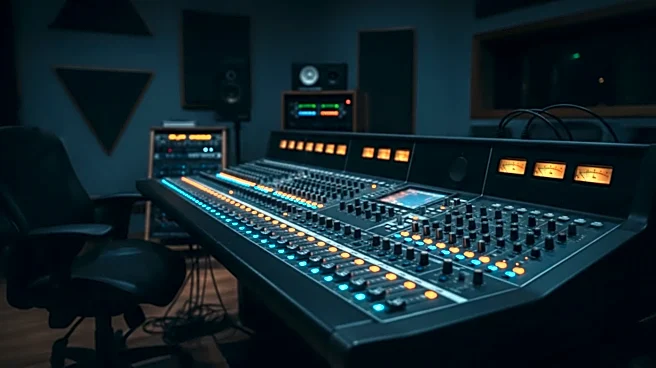
A great television sound mix is like a symphony where the conductor’s goal is for you to forget they exist. The job, performed by re-recording mixers, is to take hundreds of audio tracks—crisp dialogue, atmospheric background noise, swelling music, subtle
Foley effects like footsteps and rustling cloth—and blend them into one seamless, emotionally resonant river of sound. When it works, it creates total immersion. You don't just watch a character walk through a forest; you feel the crunch of leaves underfoot and hear the distant bird calls, all while understanding every crucial line of dialogue. The audience should never be aware of the complexity. The goal isn't just clarity; it's storytelling. The soundscape guides your focus and enhances emotion, often without you ever realizing how.
The Dialogue Dilemma
The most common complaint by far is muffled or inaudible dialogue. This isn't always a simple mistake; it's often a complex cocktail of creative choices and technical hurdles. One major factor is the difference between how a show is mixed and how you hear it. A series is often mixed in a state-of-the-art studio, designed to replicate a perfect theatrical environment. But at home, you’re dealing with tiny TV speakers, soundbars of varying quality, and ambient room noise like an air conditioner. Furthermore, the rise of streaming has created a web of different technical specifications for services like Netflix, Hulu, and traditional broadcast, each requiring specific audio levels. An audio mix that sounds perfect in the studio can easily fall apart when compressed and played through TV speakers that often point down or even backward.
Creative Choices or Epic Fails?
Sometimes, what audiences perceive as a flaw is a deliberate, if controversial, artistic choice. Director Christopher Nolan has become infamous for this, with films like “Interstellar” and “Tenet” featuring crucial dialogue buried under roaring engines and Hans Zimmer’s thunderous scores. Nolan has defended his “radical” mixes, stating he was shocked at how “conservative people are when it comes to sound” and that he enjoys the physicality it creates. He even received calls from other filmmakers who told him the dialogue in his movies was inaudible. This approach treats sound not just as a carrier of information but as a visceral, sometimes overwhelming, part of the experience. The line between bold artistic vision and a frustrating viewing experience is one that creators and audiences continue to debate.
Subtitles On, Immersion Off
The result of this ongoing issue? A massive spike in subtitle usage, not just for the hearing impaired, but for everyone. Studies show a huge number of viewers, particularly younger ones, now watch with subtitles by default because they find dialogue difficult to hear. For the mixers who spend countless hours perfecting their craft, this can be disheartening. As one industry professional put it, “Dialogue is king.” The goal is to make every word clear while building a rich world around it. When viewers have to read the screen to understand what's happening, the immersive spell the soundscape was designed to cast is instantly broken. It turns an auditory experience into a reading assignment.