
More Than Just a Walk
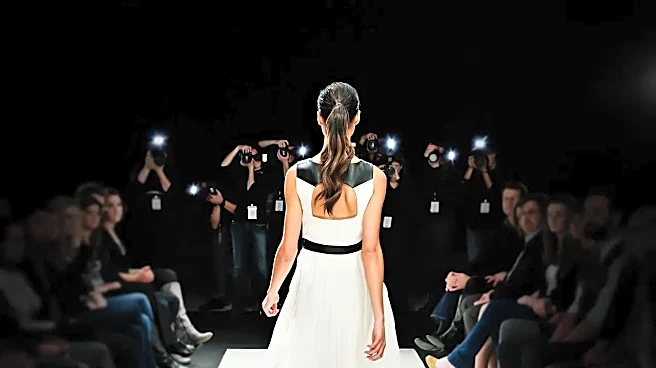
A traditional fashion show is built on a specific, controlled type of movement: the runway walk. It’s designed to be a blank canvas, allowing the clothes to be the sole focus. But Vogue World: Milano threw that convention out the window. The event was
conceived as a tableau-style spectacle, a series of theatrical acts blending music, performance, and fashion to tell a story. Instead of simply walking, performers engaged in full-fledged choreography, transforming the historic arcade into a living stage. This approach moves fashion from a static presentation into a dynamic, emotional performance where the energy of the dancers is as crucial as the cut of the fabric.
Fashion Designed for Motion
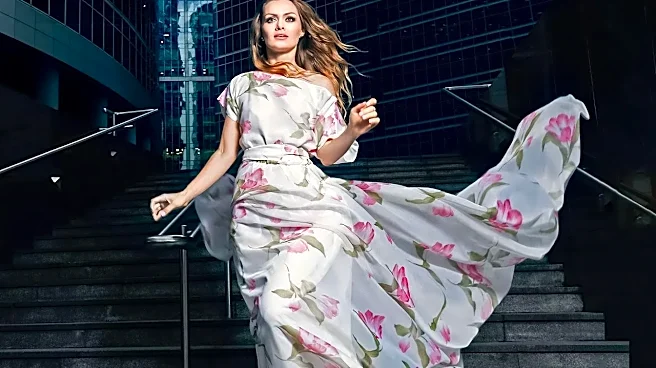
The theme for Vogue World: Milano was “Where The Future Is Made By The Hand,” a celebration of Italian craftsmanship in an age of technology. This concept was brought to life through choreographed acts that explored Italy’s textile history, from Renaissance techniques to modern industrial materials. The choreography, entrusted to Charm La'Donna with movement direction by Stephen Galloway, wasn't an afterthought; it was integral to the show's narrative. A gown wasn't just seen; it was seen in flight during a pirouette. The structure of a jacket was tested by the powerful gestures of a dancer's arms. This synergy allows an audience to appreciate not just the look of a garment, but its physics, its soul, and how it truly lives on a human body in motion.
Telling a Story with the Body
By embracing dance and performance, Vogue World: Milano elevated its message beyond a simple trend report. The show featured a grand ballet with the participation of La Scala's own Roberto Bolle, instantly signaling a commitment to high art. The collaboration between fashion curator Judith Clark and production visionary Marco Balich, known for his work on Olympic ceremonies, ensured the evening was structured for maximum narrative impact. The story was a dialogue between the human touch and the digital future. Choreography becomes the language for this conversation. The fluidity of a dancer can represent human artistry, while sharp, robotic movements might hint at the rise of AI. Through movement, the show could explore complex ideas—tradition vs. innovation, craft vs. automation—in a way that felt visceral and immediate.
The New Era of the Fashion Spectacle
In an era of endless digital content, creating a physical event that captures the world's attention is a monumental task. Vogue World's formula—blending fashion, celebrity, and live performance—has proven successful from New York to Paris. The Milan edition cemented the idea that to make fashion feel truly special again, it needs to be an immersive, multi-sensory experience. Choreography is the engine of that experience. It turns models and performers into characters, clothes into costumes, and a runway into a world. It ensures that the moments are not just photographed, but felt. As brands and media empires compete for our fragmented attention, expect to see movement and performance become even more central to the business of selling fantasy.