




More Than Just a Venue
Think of the world’s most famous sporting arenas. They aren’t just functional structures; they are cultural landmarks that embody the spirit of their city and the drama they contain. A stadium's design, location, and history all serve as a prologue to the main
event. For the 2026 FIFA World Cup Final, that storyteller is MetLife Stadium, a venue whose own narrative is one of compromise, ambition, and a uniquely American identity. Located not in New York City itself but in the Meadowlands of New Jersey, its story is intertwined with that of the metropolitan giant next door, promising a final that is about more than just the 90 minutes on the pitch.
A Stadium Born of Rivalry and Neutrality
MetLife Stadium’s story begins with a choice. It was the first venue in the country designed from the ground up to be a shared home for two fierce NFL rivals: the New York Giants and the New York Jets. The architectural challenge was immense. The Giants, an older, more traditional franchise, wanted a classic look of exposed steel and stone. The Jets, the younger upstarts, envisioned a sleek, modern design of metal and glass. The result is a clever compromise. The stadium's exterior is a neutral gray, with a facade of aluminum louvers over a stone-like base, designed to evoke the varied skyline of Manhattan without belonging to either team. On game nights, a sophisticated LED lighting system bathes the entire structure in the home team’s colors—blue for the Giants, green for the Jets. This built-in neutrality makes it a perfect, unbiased stage for two nations to contest the world’s biggest prize.
From Gridiron to Global Pitch
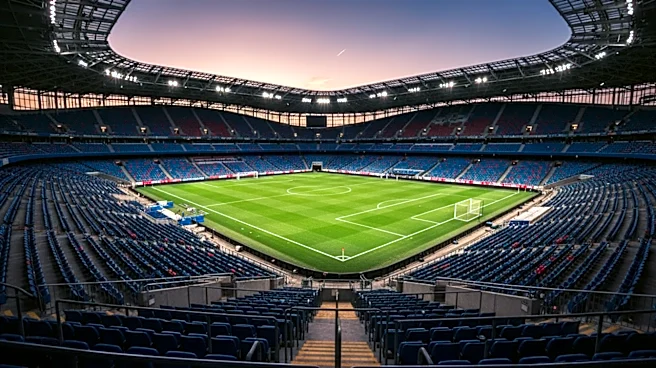
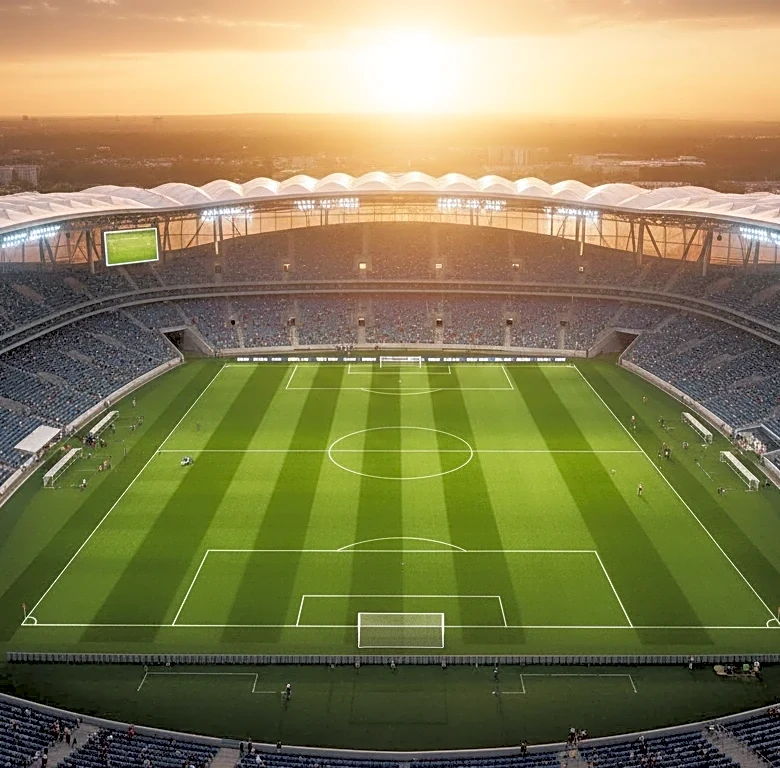
Hosting a World Cup Final requires a significant transformation. MetLife Stadium, designed for the dimensions of American football, is undergoing changes to meet FIFA’s exacting standards. To create a wider pitch suitable for world-class soccer, roughly 1,740 seats in the stadium’s corners are being removed. The most critical change is happening at ground level. The artificial turf, a frequent point of contention among NFL players, is being replaced with a high-tech natural grass surface cultivated specifically for the tournament. This isn't just a cosmetic upgrade; it's a fundamental shift in the stadium's character, ensuring a playing surface that the world's best footballers are accustomed to. These adjustments are part of the process where the stadium actively rewrites its own story, adapting from a temple of American sport to a global cathedral of soccer.
The New York-New Jersey Narrative
The choice of MetLife Stadium for the final is about more than just its 82,500-seat capacity; it’s about its location at the heart of the world's most influential media market. Hosting the final in the New York/New Jersey region anchors the event in a global crossroads, a melting pot of cultures that reflects the very essence of the World Cup. The narrative is irresistible: the world’s game culminating on the doorstep of the world’s city. FIFA's decision taps into the powerful imagery of a trophy lifted against the backdrop of the Manhattan skyline and champions celebrated in a city that never sleeps. It also represents a full-circle moment for U.S. soccer, from hosting the 1994 final at the Rose Bowl to staging the 2026 finale in a venue that embodies the commercial and cultural power of modern American sports. The stadium becomes the focal point of a story about America’s evolving relationship with the beautiful game.