


Misreading #1: All Chiffon Is the Same
The single biggest mistake shoppers make is assuming “chiffon” refers to one type of material. In reality, chiffon is a type of weave, not a fiber. The two most common versions are silk chiffon and polyester chiffon, and they are worlds apart in performance
and price. Silk chiffon is a natural fiber known for its luxurious feel, beautiful drape, and breathability. It has a subtle sheen and feels incredibly soft against the skin. Polyester chiffon is a synthetic alternative that is far more affordable, durable, and easier to care for. While high-quality polyester can mimic the look of silk, lower-grade versions can feel scratchy. The choice between them isn't just about budget; it's about end-use. For a special occasion piece where luxury is paramount, silk is a worthy investment. For an everyday top that needs to withstand regular wear and washing, polyester is the more practical choice.
Misreading #2: It's Supposed to Be Totally See-Through
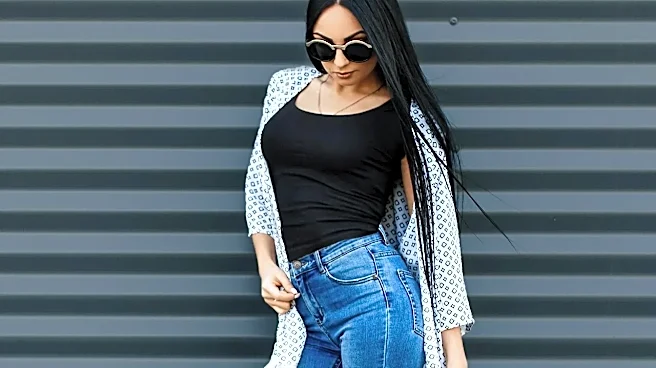
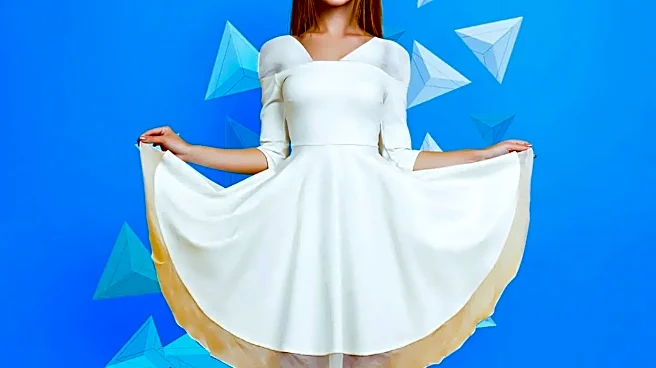
While chiffon is defined by its sheerness, many shoppers are either surprised by its transparency or unsure how to manage it. A well-made blouse isn’t meant to be scandalous; it’s designed to be layered. The solution lies in the undergarment, which should be treated as a deliberate part of the outfit. For professional or modest settings, the best choice is a smooth camisole or tank top in a color that matches your skin tone or the blouse itself. This provides coverage without disrupting the blouse's delicate lines. For a more fashion-forward or evening look, a contrasting lace bralette or a sleek bodysuit can add an intentional layer of intrigue. The key is that the layer underneath should look planned, turning the sheerness from a problem into a sophisticated style choice.
Misreading #3: It's Too Fragile for Real Life
Chiffon's delicate appearance can be intimidating, leading many to believe it requires expensive dry cleaning and is prone to instant ruin. While it is a delicate fabric that can snag, modern chiffon (especially polyester blends) is more resilient than people think. The secret to longevity is proper, gentle care. Hand-washing in cool water with a mild detergent is always the safest method for both silk and polyester versions. If the care label permits machine washing, always use a mesh laundry bag and a delicate, cold-water cycle. Never wring out the fabric; instead, gently roll it in a clean towel to absorb excess water before laying it flat or hanging it on a padded hanger to air dry. Avoid direct sunlight and high heat, which can damage the fibers.
Misreading #4: The Fit Should Be Like a Cotton Shirt
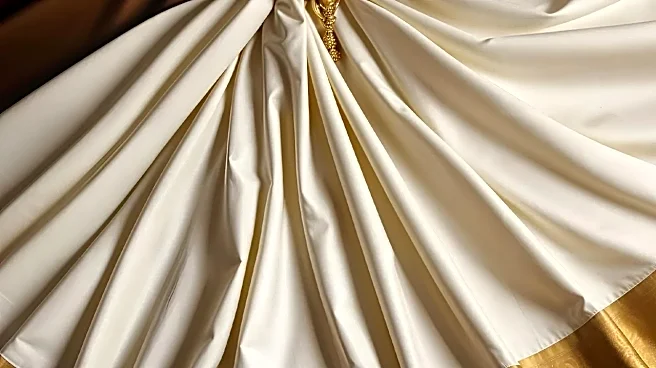
Shoppers often try on a chiffon blouse expecting the structured fit of a poplin or cotton shirt, which can lead to disappointment. Chiffon is a drape-first fabric, not a structure-first one. Its beauty comes from its fluid movement, so an overly tight fit will work against its nature, while a boxy, oversized cut can look shapeless. When shopping, pay less attention to your usual size number and more to how the fabric falls on your body. Look for blouses that skim your silhouette without clinging. The shoulder seams should sit correctly, and the volume should feel intentional, creating soft folds rather than bulky bunches. This focus on drape is why a slightly more expensive, well-cut chiffon blouse often looks dramatically better than a cheaper, poorly designed one.
Misreading #5: It's Only for Formal Events
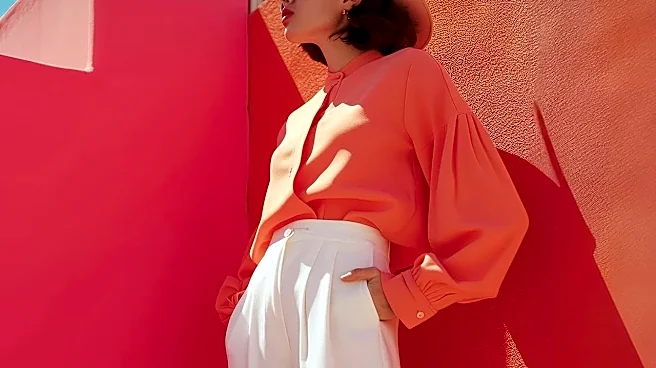
For a long time, chiffon was pigeonholed as eveningwear, reserved for weddings and formal parties. While it excels in those settings, its versatility is one of its greatest strengths. A chiffon blouse can easily be dressed down for a chic, casual look. Tucking a floral or solid-colored chiffon blouse into a pair of high-waisted jeans creates an effortlessly polished weekend outfit. Layering it under a tailored blazer makes it perfectly appropriate for the office. The floaty texture of chiffon provides a beautiful contrast to more structured fabrics like denim, wool, or leather, adding a touch of softness and elegance to an everyday ensemble. Seeing it as a versatile layering piece, rather than just a formal top, unlocks its full potential in a modern wardrobe.