


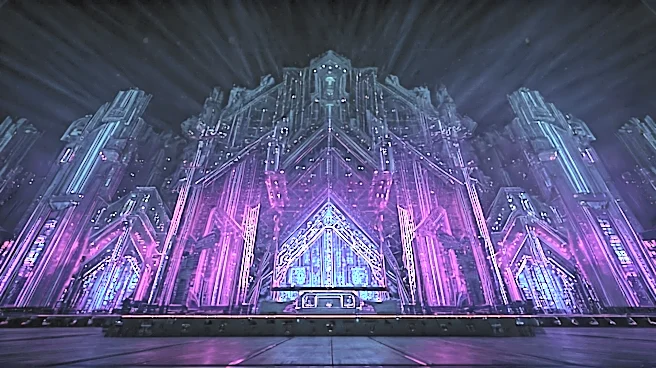
An Orchestra of Light
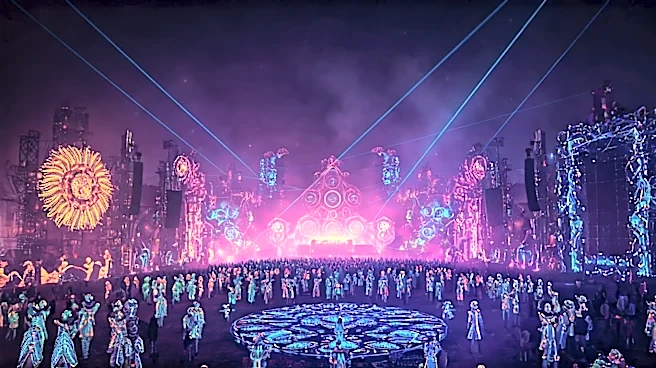
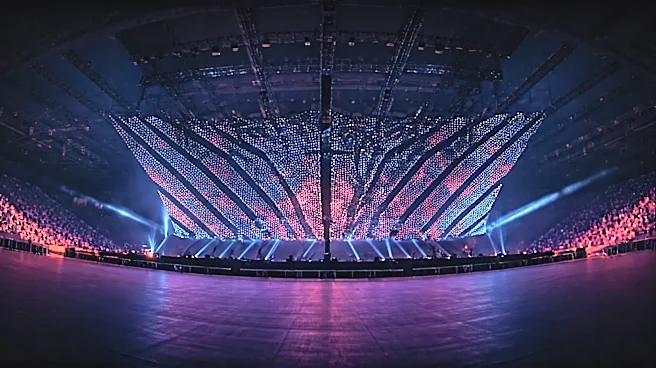
When you’re standing in the middle of the Las Vegas Motor Speedway, surrounded by 150,000 people, the scale of the Electric Daisy Carnival can feel overwhelming. The sound is physical, the stages are monumental, and the light is everywhere. Amid this
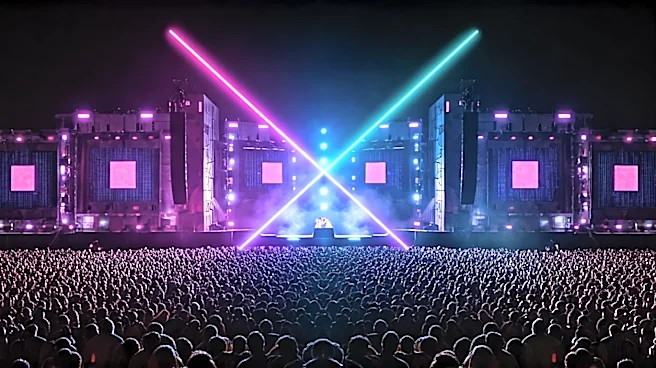
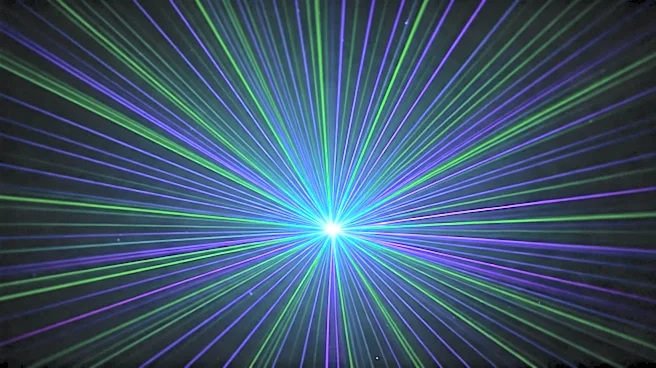
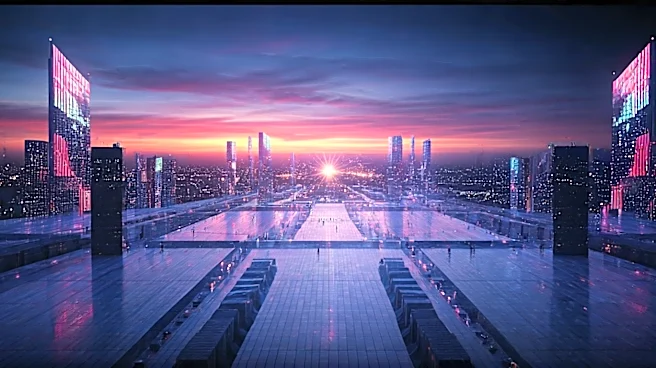
sensory overload, the lasers might seem like just another flashy element. But they aren’t random. Think of them less as lights and more as a visual orchestra. Every beam, every color shift, and every geometric pattern is meticulously choreographed to work in harmony with the DJ’s set. They accentuate a drop, soften during a melodic breakdown, and create a pulsing, shared rhythm that unifies the massive crowd. What you’re seeing isn't just background noise; it's a parallel performance happening in real-time.
The Human Element: Meet the Laser Jockey
Behind every jaw-dropping laser display is not a pre-programmed loop, but a highly skilled artist known as a laser designer or, more colloquially, a “laser jockey” (LJ). Stationed in the production booth, these operators are essentially performing a live visual set. Using complex consoles that look like a cross between a soundboard and a spaceship’s flight controls, they “play” the lasers. They trigger sequences, manipulate patterns, and improvise on the fly, reacting to the music and the energy of the crowd. Great LJs know the tracks inside and out. They anticipate the builds and drops, and they use their arsenal of effects—from ethereal “liquid sky” ceilings that float over the audience to aggressive, sharp beams that stab at the beat—to amplify the emotional arc of the DJ’s performance. They are as much a part of the show as the headliner on stage.
Choreographing a Collective Feeling
Lasers have a unique psychological power. Unlike video screens, which present a defined image, laser light sculpts the empty space, creating architecture out of thin air. A tight tunnel of beams can make a colossal outdoor stage feel strangely intimate, drawing everyone’s focus to a single point. A moment later, a wide, sweeping fan of light can explode outward, making the space feel infinite and creating a massive, collective moment of euphoria. This ability to manipulate the perception of space is a powerful tool for guiding the crowd's emotional journey. Production designers use specific colors and patterns to evoke moods: cool blues and greens for trance-like states, fiery reds and oranges for high-energy moments. The lasers become a non-verbal language, communicating directly with the audience’s nervous system.
The High-Stakes Tech Behind the Magic
Creating this magic is a technological and logistical feat. The systems used at a festival like EDC involve dozens of high-powered laser projectors, each costing tens of thousands of dollars. These units use tiny, lightning-fast mirrors called galvanometers, or “galvos,” to steer the beams, drawing patterns in the sky thousands of times per second. It’s a delicate balance of power and precision. Because these are Class IV lasers—the most powerful and potentially hazardous type—safety is paramount. In the U.S., their public use is strictly regulated by the FDA’s Center for Devices and Radiological Health (CDRH). Every show requires complex planning and federal approval to ensure no beam ever enters the audience area at a level that could cause eye damage. The mesmerizing “liquid sky” effect, for instance, is carefully calculated to terminate safely above head height, creating an immersive canopy of light without risk. This level of regulation underscores just how far beyond simple “effects” this technology goes.