
The Original Sin: Dylan Goes Electric
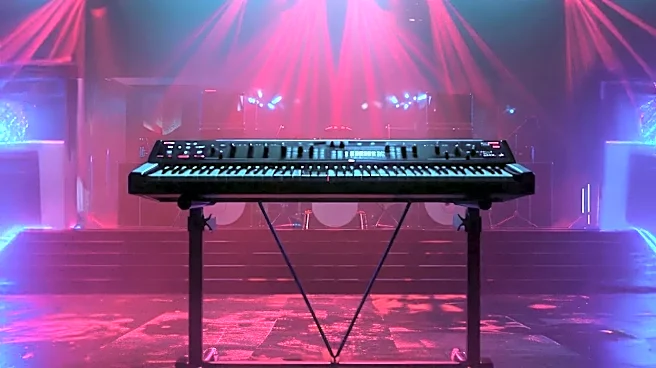
You can’t talk about Newport’s evolution without starting with its most legendary controversy. In 1965, Bob Dylan, the darling of the acoustic folk revival, walked on stage backed by an electric band. To the purists in the crowd, including some of the festival's
own organizers, it was heresy. The boos that followed—though their cause is still debated—became iconic, representing a clash between folk as a museum piece and folk as a living, breathing art form. That moment, seen by some as a betrayal, was actually the festival's first and most important act of self-preservation. It proved Newport was a stage for the present, not just a monument to the past. It broke the seal, making every future argument about what belongs at a folk festival possible.
The Modern Revival: More Than a Genre
After a hiatus, the festival was revived in 1985 and has spent the 21st century in a constant state of reinvention, largely under the guidance of executive producer Jay Sweet. The modern Newport understands that 'folk' is less a specific sound and more of an ethos. It's about community, storytelling, and social consciousness. This philosophy is clear in the lineups, which have grown to include artists far outside traditional folk. The 2026 festival, for instance, featured the searing rock of Tom Morello from Rage Against the Machine, the genre-bending pop of Hayley Williams, and the iconic rap of Ms. Lauryn Hill alongside bluegrass stalwarts and singer-songwriters. This boundary-pushing approach isn’t about chasing trends; it’s about returning to the festival’s original purpose of showcasing vital, often under-the-radar music, regardless of instrumentation.
A Culture of Collaboration
The true magic of today's Newport lies in the moments that can't be planned. The festival has become famous for its surprise collaborations and 'and Friends' sets, where the weekend’s artists join each other on stage for unique performances. At the 2026 festival, this spirit was everywhere. Hayley Williams' headlining set featured guests like Jack Antonoff and Jenny Lewis. The closing set, hosted by Nathaniel Rateliff, brought out unexpected appearances from Dave Matthews, Joan Baez, and Mavis Staples. These moments create a 'family reunion' atmosphere where the lines between headliner and guest, and even artist and audience, begin to blur. It reinforces the idea that folk music is communal by nature—a conversation between musicians and a shared experience for everyone at Fort Adams State Park.
Folk as a Feeling, Not a Sound
If you ask a festival-goer what makes Newport special, they likely won't talk about a specific genre. They'll talk about the feeling—the collaborative spirit, the respect for artistry, and the sense of being part of a tradition that honors its history by refusing to be trapped by it. The 2026 lineup perfectly embodied this. One moment, you could hear Gillian Welch and David Rawlings performing acoustic Grateful Dead covers, and the next, you could see the band Wednesday inspiring a mosh pit. This diversity isn't confusing; it's the entire point. By welcoming rock, pop, and hip-hop, Newport argues that folk isn't just an acoustic guitar. It’s a platform for powerful voices and stories that reflect the current moment, a direct through-line to the protest songs that once defined its stage in the 1960s.