



The Loneliest Job in Sports
A striker can miss nine chances and score the tenth to become a hero. A midfielder can misplace a dozen passes but be remembered for a single, game-winning assist. But for a goalkeeper, the equation is cruelly reversed. You can make nine brilliant, physics-defying
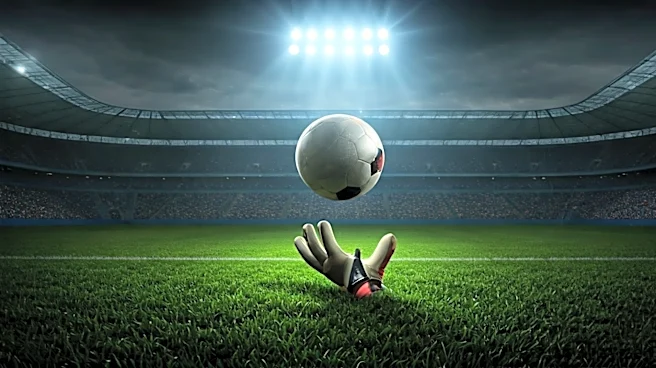
saves, but the one shot that slips through your grasp is the one that follows you home, the one that replays in the minds of millions, the one that can derail a team’s entire campaign. This is the psychological terrain of the goalkeeper. It is a role defined by long periods of inactivity punctuated by moments of extreme, career-defining pressure. They are isolated, physically and mentally, from the flow of the game, watching from a distance until chaos arrives at their doorstep. Their mistakes are not subtle; they are glaring, almost always resulting in a goal. There is no hiding place. The camera always finds you, kneeling on the turf, head in hands, as the opponent's celebration erupts around you.
The Anatomy of a World Cup Blunder
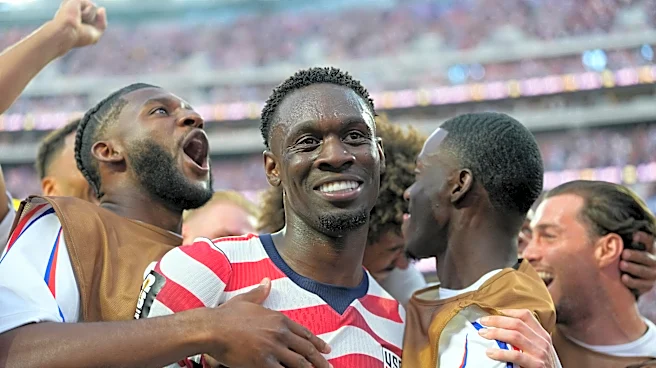
Consider Robert Green. For the 2010 World Cup, the English goalkeeper was his country’s undisputed No. 1. Then came the opening match against the United States. In the 40th minute, U.S. midfielder Clint Dempsey struck a hopeful, relatively tame shot from 25 yards out. It was a routine save, the kind Green had made thousands of times in his career. But on the world’s biggest stage, the routine became the unthinkable. Green got his body behind it, but the ball seemed to possess a malevolent will. It squirmed from his grasp, spun off his gloves, and trickled over the line in agonizing slow motion. The collective gasp from English fans around the world was palpable. The goal gifted the U.S. a 1-1 draw, cost England a crucial victory, and effectively ended Green’s international career. He was dropped for the next match and never played for England in a World Cup again. The error wasn't just a goal; it was a psychological blow that defined England’s entire shaky tournament.
A Legacy of Infamous Moments
Green's story is hardly unique. The history of major tournaments is littered with the ghosts of goalkeeping mistakes. In the 2018 Champions League final, Liverpool’s Loris Karius committed two catastrophic errors that handed the trophy to Real Madrid. First, he inexplicably threw the ball directly into the path of striker Karim Benzema. Later, he fumbled a long-range shot from Gareth Bale. He left the field in tears, his confidence shattered and his Liverpool career over. Go back to the 2002 World Cup final. Germany’s Oliver Kahn had been the tournament’s best player, a titan who had conceded only one goal en route to the final against Brazil. But in the biggest game of his life, he spilled a shot from Rivaldo, allowing Ronaldo to pounce and score the decisive goal. For all his prior heroics, the final was remembered for his one, uncharacteristic fumble. And for the ultimate tragedy, look to Brazil’s Moacir Barbosa, the keeper for the 1950 World Cup final. Blamed for the goal that lost Brazil the cup on home soil, he was ostracized for the rest of his life, a national villain who once said, “In Brazil, the maximum sentence is 30 years. My imprisonment has been for 50 years.”
The Ripple Effect of One Mistake
A keeper error does more than just concede a goal. It sends a shockwave through the entire team. It shatters defensive confidence, forcing teammates to second-guess the reliability of their last line of defense. It instantly transfers momentum, emboldening the opposition while planting seeds of doubt and fear in his own squad. The game plan can go out the window, replaced by a frantic, nervous energy. The media narrative immediately crystallizes around the error. The post-game analysis, the newspaper headlines, the fan forums—all focus on that single moment of fallibility. The pressure becomes immense, not just on the keeper, but on the whole team as they are forced to answer for it. A tournament journey that was once filled with hope can suddenly feel like a death march, all because of one pair of hands in one fleeting moment.