
The Tyranny of the Perfect Schedule
Let’s be honest: planning for a four-day festival like Lollapalooza can feel like preparing for a military operation. You map the eight stages across Grant Park, calculating the frantic power-walk from the Bud Light stage on the north end to John Summit’s
massive hometown set on the south side. You create a schedule so tight it would make a Swiss train conductor sweat, trying to catch the first three songs of Lorde, the last half of The Smashing Pumpkins, and still find time to grab deep-dish from Lou Malnati's. This quest for optimization is fueled by a very modern anxiety: the Fear of Missing Out (FOMO). In a world where every epic moment is broadcast online, the pressure to see every important set is immense. But this rigid approach often backfires, turning a weekend of joy into a stressful, box-ticking exercise where you’re so focused on the next thing you miss the one happening right in front of you.
The Allure of the Undercard
The headliners are the names that sell the tickets—Charli XCX, Tate McRae, JENNIE from BLACKPINK—and their sets are guaranteed spectacles. But the soul of Lollapalooza, and its long history of shaping music culture, is found on the smaller stages in the middle of the afternoon. Tucked away on the BMI or Percolator stages are the artists who are 18 months away from being household names. This year's lineup is brimming with them: the Brooklyn art-rock of Geese, the rising New Zealand trio Balu Brigada, or the experimental electronica of Ninajirachi. These are the hungry artists, the ones playing with a chip on their shoulder, delivering raw, energetic sets to smaller but deeply engaged crowds. Seeing a future star in an intimate setting before they explode is a unique kind of festival currency, a memory that becomes an “I was there when…” story for years to come.
Embracing Festival Serendipity
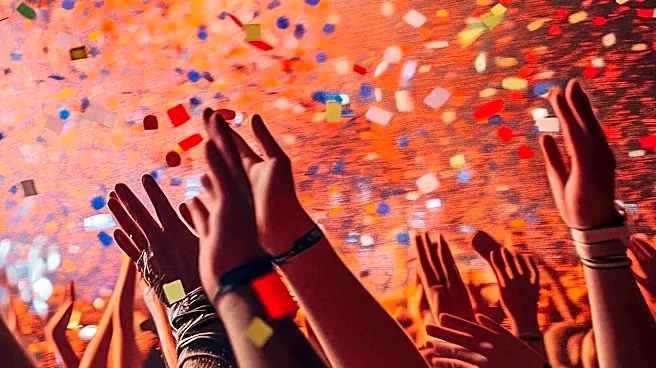
The real Lollapalooza pros know the secret isn't a better plan; it’s knowing when to abandon it. Give yourself an hour—just one—to be totally unscheduled. Instead of rushing from A to B, just wander. Follow a bassline that rumbles in the distance. Gravitate toward a crowd that’s losing its mind for a band you’ve never heard of. Let a friend who is passionate about an obscure artist drag you to their set. This is not aimlessness; it's active discovery. It’s about trading the predictable satisfaction of seeing a familiar favorite for the exhilarating possibility of finding a new one. Research on the psychology of these events shows that festivals provide a space for self-discovery and personal growth, precisely because they disconnect us from our routine lives. That disconnect is most powerful when you allow for genuine, unplanned moments.
The Science of a Great Memory
There’s a reason these unexpected moments stick with us. Our brains are wired to remember novelty. Peak experiences—moments of intense, unexpected joy and connection—can have a lasting positive impact on our well-being. When you see a headliner you’ve loved for years, your brain is processing a familiar reward. It’s wonderful, but it’s anticipated. When you stumble upon a mind-blowing set from an unknown artist, your brain releases a potent cocktail of dopamine and norepinephrine, cementing a powerful new memory. It’s the difference between a good time and an unforgettable one. It’s the story you’ll tell a decade later, not just about the band you saw, but about the feeling of discovery, the shared energy with a crowd of strangers, and the moment a new sound changed your weekend.