


The 2010s: A Decade of Hustle and Hype
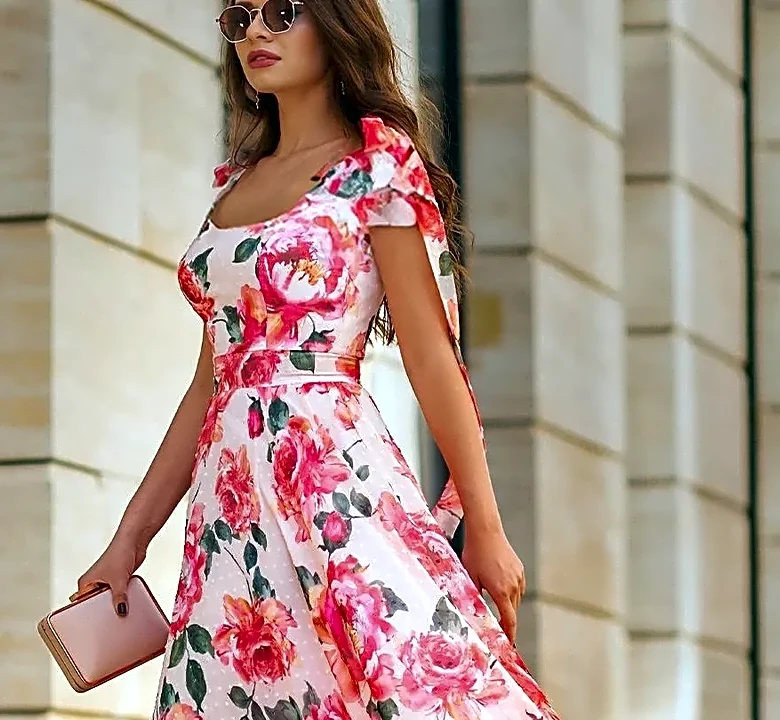
To understand the pull of a quiet life by a fictional coast, you first have to remember the noise of the 2010s. It was the decade of optimization. Fashion was fast, driven by a relentless cycle of micro-trends and social media hauls. The prevailing aesthetic
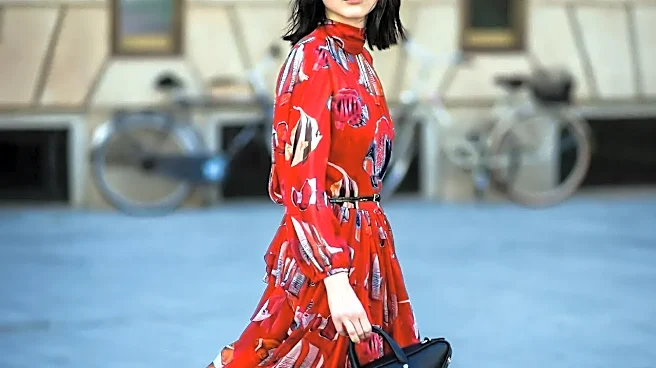
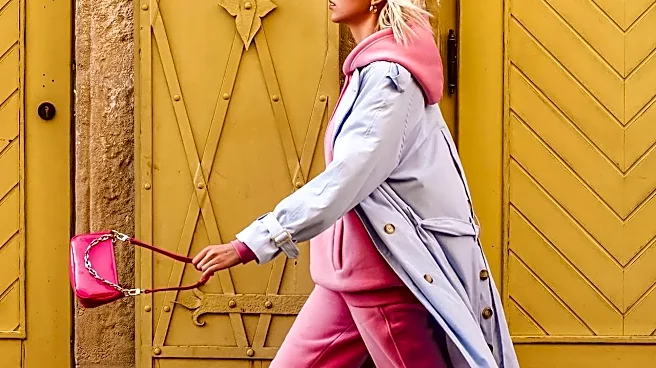
was often loud and performative—think statement necklaces, galaxy prints, and the high-waisted skinny jeans that dominated closets. Interiors followed suit, with bold chevron patterns, millennial pink everything, and a general sense of curated clutter designed for the perfect Instagram shot. Beyond the look, it was a decade defined by “hustle culture,” the idea that every hobby should be a side gig and every moment an opportunity for self-branding. It was an era of looking busy, feeling busy, and broadcasting that busyness for all to see.
The Great Exhaustion and the Shift Inward
Then came the 2020s. A global pandemic forced a worldwide pause, pushing people out of offices and into their homes. The relentless pace of the previous decade suddenly ground to a halt, replaced by uncertainty and a collective sense of burnout. The performative pressures of social media didn't disappear, but their appeal began to wane for many who were craving authenticity and comfort above all else. This period of forced introspection led to a widespread reevaluation of priorities. The hustle seemed less glamorous, and the desire for a safe, serene, and stable environment grew. People wanted their homes to be sanctuaries, not backdrops. This cultural reset created the perfect conditions for a new, quieter ideal to emerge.
Enter: The Coastal Grandmother
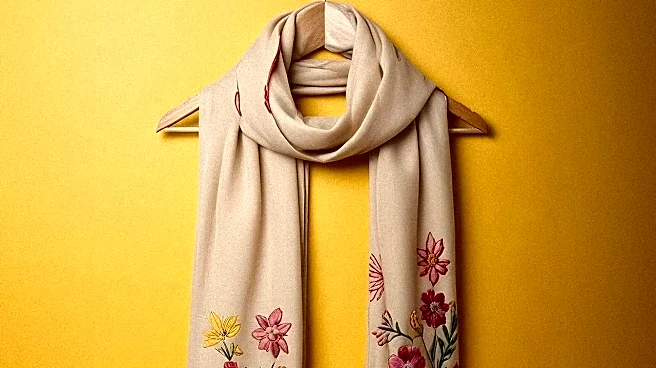
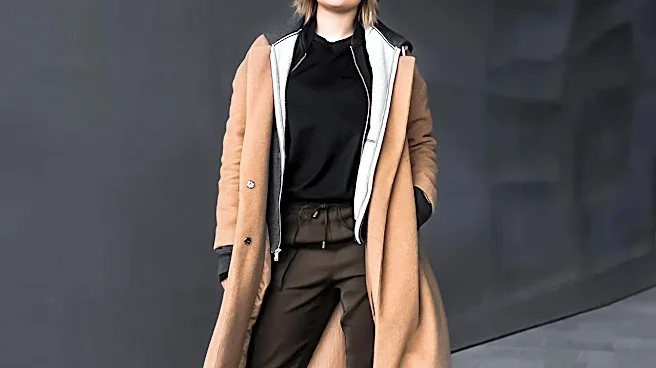
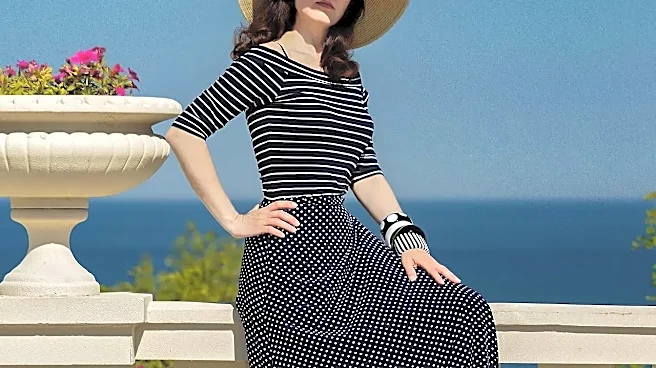
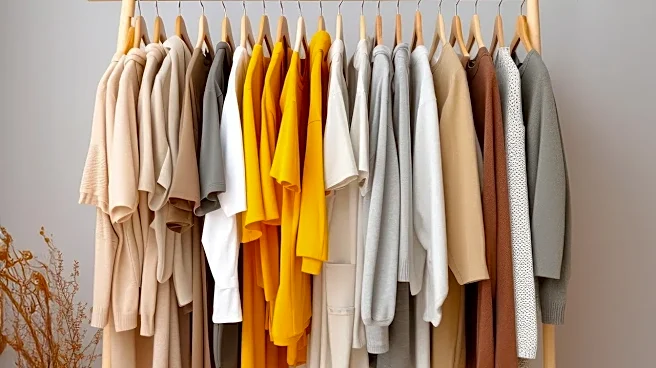
The term, coined in 2022 by TikTok creator Lex Nicoleta, perfectly captured a mood many were already seeking. The Coastal Grandmother isn’t necessarily a grandmother and doesn't have to live near a coast. Instead, she is an archetype inspired by the heroines of Nancy Meyers films like “Something’s Gotta Give” and “It’s Complicated.” Her uniform consists of timeless, comfortable pieces: cashmere sweaters, crisp white button-downs, and loose-fitting linen trousers in a palette of white, beige, and soft blue. Her home is airy and inviting, filled with natural textures, fresh flowers from the garden, and slipcovered furniture. She values quality over quantity, rejecting the disposability of fast fashion for investment pieces that last.
From 'More' to 'Enough'
Every element of the Coastal Grandmother aesthetic serves as a direct counterpoint to the 2010s. Where the previous decade was about speed and volume, this one is about slowness and intention. The obsession with logos and flashy brands is replaced by “quiet luxury”—unmarked, high-quality items that signal taste rather than price. The frantic energy of hustle culture gives way to the romanticization of simple, tactile pleasures: tending a garden, cooking a meal from scratch, or enjoying a glass of wine on the porch. It represents a shift from valuing external validation (likes, shares, and status symbols) to cultivating internal contentment. It’s less about having it all and more about enjoying what you have. This isn’t just a trend; it's a philosophy built on comfort, stability, and the radical idea that a quiet, well-lived life is the ultimate aspiration.