


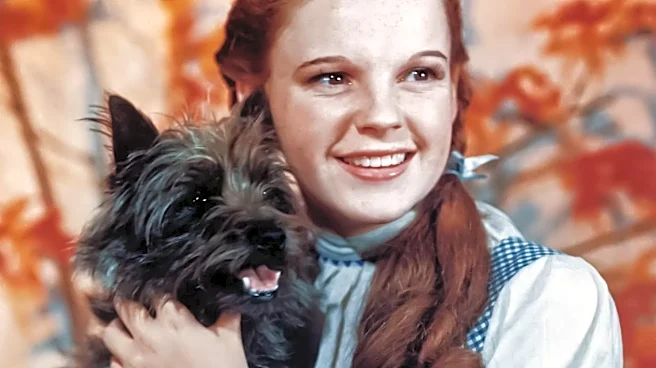

The 'Wicked' films are more than a box office phenomenon; they're a cultural event. But beneath the dazzling production lies a story rich with complex themes, offering a perfect opportunity to connect with teens on surprisingly deep topics.
Friendship Isn’t Always Pretty
The heart of
'Wicked' is the unlikely and often strained friendship between the bubbly, popular Glinda and the ostracized, green-skinned Elphaba. They begin as rivals, but through shared experiences, they form a deep bond that's tested by social pressure, love triangles, and moral disagreements. This is fertile ground for discussing the realities of teen friendships. You can explore how first impressions aren't always accurate and how true friendship requires navigating jealousy and conflict. It’s a powerful illustration that meaningful connections are about loyalty and accepting differences, not just having fun. Their journey shows that even when you disagree with a friend, the bond can endure if it’s built on a foundation of mutual respect and understanding.
What It Means to Be 'Different'
Elphaba is literally green, making her an outcast from birth. She is judged, mocked, and blamed for things beyond her control simply because of her appearance. Her story is a powerful allegory for any teen who has ever felt 'othered', whether due to their appearance, interests, or background. This provides an entry point to talk about prejudice, bullying, and the pain of social isolation. More importantly, Elphaba’s journey is one of self-acceptance. She learns that the very things that make her different are also the source of her strength and power. It’s a vital message for teens: embracing your uniqueness is more fulfilling than changing yourself to fit in.
Propaganda and Who Controls the Story
One of the most sophisticated themes in 'Wicked' is its examination of propaganda. The Wizard of Oz isn't a whimsical leader; he's a fraud who maintains power by controlling the narrative. He creates a common enemy—first the talking Animals, then Elphaba herself—to unite the citizens of Oz through fear. The story masterfully shows how an entire population can be manipulated into believing that a good person is 'wicked'. This is an incredibly relevant topic. You can discuss how information is spun in media and online, how reputations can be built or destroyed by rumors, and the importance of questioning who is telling a story and why. It teaches critical thinking by showing that history is often written by the powerful, not necessarily by the truthful.
Challenging 'Good' vs. 'Evil'
'Wicked' brilliantly subverts the simplistic fairytale notion of good and evil. Glinda 'the Good' starts as shallow and complicit in an unjust system, while Elphaba, branded the 'Wicked Witch of the West', consistently tries to do what is morally right, even at great personal cost. The movie forces the audience to question labels and look at the motivations behind people's actions. The Wizard is seen as good but is corrupt, while Elphaba is feared but acts with integrity. This moral ambiguity is a fantastic conversation starter for teens, who are beginning to see the world in shades of gray. It’s a chance to discuss what it truly means to be a good person and the courage it takes to stand up against injustice, even when it’s unpopular.