

Leading with Talent, Not IP
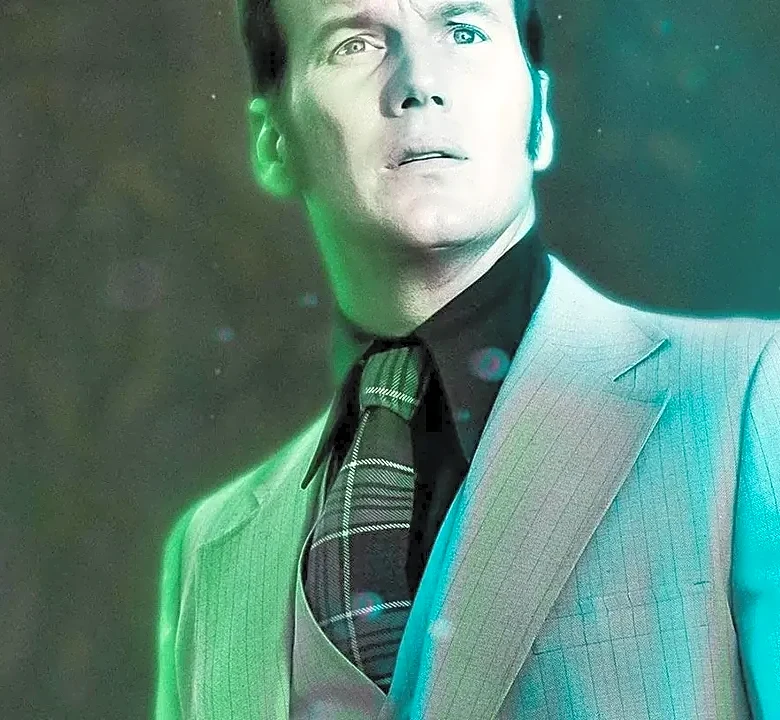
Without a famous title to put on the poster, studios often lean on the most recognizable asset they have: the people who made the movie. Star power is the oldest trick in the book for a reason. An A-list actor or a celebrated director acts as a shortcut
to audience trust. If you love an actor’s work or a director’s vision, you’re more likely to take a chance on their new, unknown project. This strategy is less about guaranteeing a hit and more about securing attention. The name provides an initial hook, helping the film secure financing, attract media interest, and give potential audiences a reason to watch the first trailer. It’s not a foolproof plan, as modern audiences are less swayed by stars alone than they once were, but it remains a crucial first step in building awareness from scratch.
The Film Festival Buzz Machine
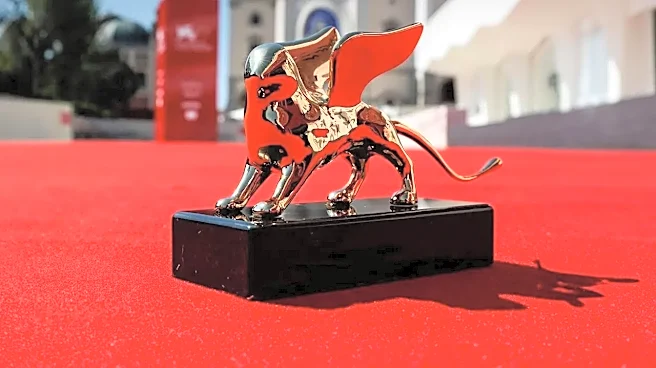
For many original films, particularly the prestigious dramas of the fall, the marketing campaign begins months before a single ad runs. Premiering at a major film festival like Venice, Telluride, or Toronto is a calculated move. The goal isn't to sell tickets directly, but to generate the one thing money can't always buy: critical acclaim and word-of-mouth buzz. Positive reviews from top critics, standing ovations, and early Oscar predictions create a narrative that the film is a must-see cultural event. This festival buzz provides the marketing team with powerful ammunition, allowing them to pepper trailers and posters with awards laurels and glowing pull-quotes that signal quality and urgency to the public.
Selling a Concept, Not Just a Story
When you can't sell a character everyone already knows, you have to sell the core idea in its simplest, most compelling form. This is the art of the "high concept" pitch. Think of it as the movie’s elevator pitch: a family must live in silence to avoid mysterious creatures, or a man relives the same day over and over. This central hook becomes the anchor for the entire campaign. Trailers, posters, and social media content all hammer home this single, intriguing idea. The marketing for a successful original film often makes the premise itself the star, creating a simple, memorable question in the audience's mind that can only be answered by buying a ticket.
Creating 'The Conversation'
Unlike franchise films that can rely on existing fan communities, original movies have to build their own from the ground up. Studios like A24 have mastered the art of turning a film release into a cultural conversation through unconventional, often digital-first campaigns. This might involve clever social media stunts, creating memes, partnering with influencers who align with the film's niche audience, or releasing limited-edition merchandise that makes fans feel like insiders. The strategy is to create a sense of discovery and community, making audiences feel like they are part of a movement. By fostering active engagement through Q&As and behind-the-scenes content, the marketing transcends simple advertising and becomes a shared experience.
The Surgical Strike of Modern Advertising
While a superhero movie might blanket every TV channel with ads, marketing for an original film is often more targeted and efficient. Instead of trying to reach everyone, studios use data to identify and connect with specific niche audiences most likely to be interested. A sophisticated horror film might be marketed heavily to genre blogs and podcasts, while a witty dramedy could be pushed to followers of certain authors or comedians on social media. This digital-first approach allows for hyper-specific targeting, ensuring that the marketing budget is spent reaching the most receptive viewers and building a groundswell of support from a passionate core audience that can then carry the film into the mainstream.