





The Golden Age of Studio Control
In the early days of the Academy Awards, red carpet fashion was a far cry from the global spectacle it is today. During Hollywood's studio system era, major studios like MGM and Paramount controlled their stars' images with an iron fist. Wardrobe was often
handled by in-house costume designers, the very same people who created their on-screen looks. Actresses like Grace Kelly, who dazzled in an Edith Head gown in 1955, or Audrey Hepburn in Givenchy in 1954, presented a picture of glamour dictated by the studio. Sometimes, stars simply wore their own clothes. The idea of a designer “lending” a dress was rare; fashion was an accessory to the event, not the main event itself.
The Armani Revolution
The 1970s and 80s saw a shift towards more personal, sometimes eccentric, style choices. But the game truly changed in the late 1980s thanks to Giorgio Armani. He was one of the first designers to grasp the immense public relations potential of the Oscars. After successfully dressing Richard Gere for the 1980 film "American Gigolo," Armani set his sights on the red carpet. He established a dedicated VIP office on Rodeo Drive specifically to court and dress Hollywood's elite. His strategy was revolutionary: loaning elegant, understated gowns to specific A-listers he admired. By 1990, his influence was so immense that Women's Wear Daily dubbed the ceremony the “Armani Awards,” with stars like Jodie Foster and Michelle Pfeiffer showcasing his sleek, modern aesthetic. He turned the red carpet into a runway, proving a symbiotic relationship between a star and a designer could be a powerful marketing tool.
The Rise of the Super-Stylist
As designers like Armani, Valentino, and Versace turned the red carpet into a competitive sport, a new power player emerged: the celebrity stylist. Figures like Rachel Zoe in the early 2000s were pioneers, transforming the role from a behind-the-scenes assistant to a powerful brand architect. Stylists were no longer just picking dresses; they were crafting a celebrity's entire public image. They became the crucial link between brands and stars, brokering deals and creating viral fashion moments. Today, stylists like Law Roach and Karla Welch are celebrities in their own right, known as "image architects" who can define a star's career trajectory with a single look. They don't just create a moment; they build a narrative, tour by tour, red carpet by red carpet.
The Billion-Dollar Red Carpet
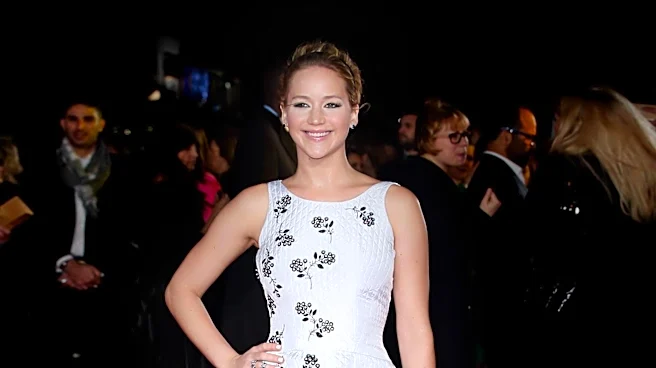
Today, the Oscars red carpet is a full-blown marketing machine. The question “Who are you wearing?” is rarely a casual inquiry; it's often the result of a lucrative, pre-negotiated contract. Major brands pay celebrities handsomely—sometimes with deals worth millions—to be their ambassadors for the night. Jennifer Lawrence’s $15 million deal with Dior is a famous example of these exclusive agreements. The media impact is enormous, with a single Oscars red carpet generating over a billion dollars in value for brands. A celebrity’s entire look, from the gown to the jewelry and shoes, is part of a calculated business strategy. For an A-list actress, the cost to a brand for a single red carpet appearance can run into the hundreds of thousands of dollars, making every step and pose a high-stakes commercial transaction.