





First, What Is Tenniscore?
Before we dive into optics, let's define the trend. Tenniscore is a fashion aesthetic inspired by the classic, preppy attire of tennis. Think crisp whites, polo shirts, cable-knit sweaters, and pleated skirts, all updated with a modern, sometimes streetwear-inflected,
sensibility. The look, which gained mainstream traction in the early 2020s, has evolved beyond a fleeting moment into a timeless style category, merging the "quiet luxury" of country club life with the comfort of athleisure. It’s a polished, clean, and functional style that feels just as right for brunch as it does for a friendly match. And no courtside look is complete without the perfect pair of sunglasses.
The Case for Gray Lenses: True Color Integrity
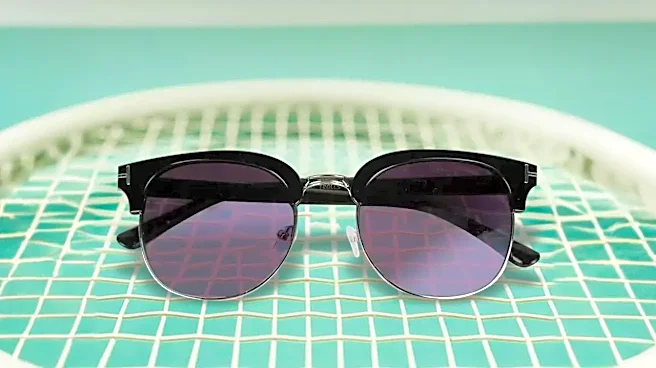
Gray lenses are the purists of the sunglass world. Their primary function is to reduce the intensity of bright light across the entire color spectrum without altering how you perceive those colors. A gray lens essentially turns down the volume on the sun, providing a comfortable, true-to-life visual experience. This makes them an excellent all-purpose choice, especially for those sensitive to eye fatigue on brutally sunny days. From a style perspective, gray lenses offer a classic, understated cool. They fit seamlessly into the more traditional, "old money" side of the tenniscore aesthetic, pairing perfectly with an all-white outfit for a look that is effortlessly chic and timeless.
How Gray Performs on the Court
On the court, the strength of gray lenses is also their potential weakness. By providing true color perception, they ensure you see the lines, the net, and your opponent exactly as they are, which many players prefer. They are fantastic at cutting glare on bright, cloudless days, reducing strain during a long three-set match. However, what they don’t do is enhance contrast. That fast-moving, optic yellow ball won't "pop" against the background. For some, this lack of enhancement can make tracking the ball slightly more difficult, especially as light conditions change or when playing on surfaces with less inherent contrast.
The Case for Amber Lenses: A World in High Definition
If gray lenses are about true-to-life color, amber, brown, and copper lenses are about creating a more dynamic visual world. These warmer tints work by filtering out a significant portion of blue light. Blue light is what causes haze and can make objects appear flat. By blocking it, amber lenses dramatically boost contrast and improve depth perception. The result is a sharper, more defined view, making them a favorite for sports where tracking a small object against a varied background is key. Aesthetically, amber lenses often have a more technical, performance-oriented look that aligns with the athletic side of tenniscore, projecting a sense that you came to play.
How Amber Performs on the Court
This is where amber lenses truly shine for the serious player. That contrast-enhancing effect makes a yellow tennis ball stand out vividly against a green court or a blue sky. This can help you pick up the ball's spin and trajectory a fraction of a second earlier, which is a significant advantage in a high-speed game. They are particularly effective in mixed or overcast conditions, where they can brighten your vision and maintain that crucial contrast when gray lenses might feel too dark. The only trade-off is a slight distortion of color—the world will look warmer—but for most players focused on performance, it's a worthwhile compromise for the competitive edge they provide.
The Verdict: A Choice of Context and Intent
Ultimately, the choice between gray and amber isn't about which is definitively better, but what's better for you and the situation. Are you embracing the tenniscore aesthetic for a sunny day out, prioritizing classic style and pure color vision? Go with gray. The neutral tint is the perfect all-rounder for reducing brightness and keeping your look clean and sophisticated. Are you a competitive player looking for every possible advantage on the court, or someone who frequently plays in the variable light of morning or late afternoon? Amber is your ace. The enhanced contrast can legitimately help your game by making the ball easier to track. The best part of the tenniscore trend is that it celebrates both the look and the love of the game, so you can make a choice that serves your style, your strategy, or both.