








It Starts with the Shape of the Game
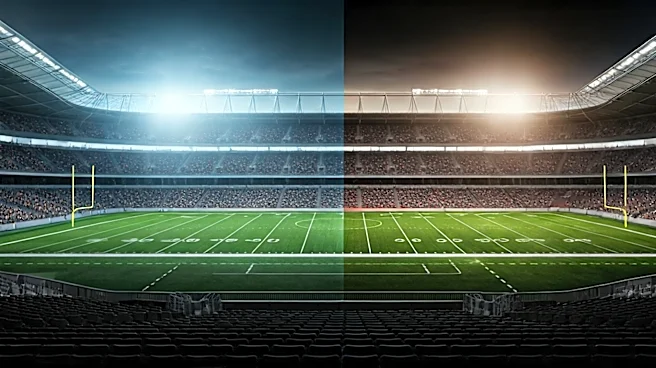
The most obvious difference is the field itself. An NFL field is a rigidly defined rectangle: 120 yards long (including end zones) and exactly 53.3 yards wide. That narrow, consistent shape funnels the action. Soccer pitches, by contrast, are far more
variable and almost always significantly wider. FIFA's international standard calls for a width of 70 to 80 yards, creating a playing surface that can be nearly 30% larger in total area. This isn't a trivial detail; it's the foundation of everything that follows. The NFL is a game of vertical progression, fought in a narrow channel. Soccer is a game of horizontal space, where stretching the opposition wide is a key tactic. This basic geometric difference dictates where your eyes need to be.
Where Does the Action Happen?
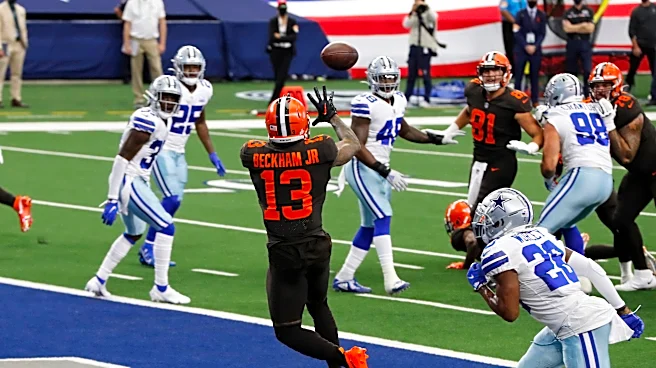
In football, the most critical moments happen at the line of scrimmage. It's a game of inches fought between the tackles. The goal is to advance a few yards at a time, with play stopping and restarting constantly. This creates a focused, intense viewing experience centered on a small portion of the field. From a sideline seat, you can see the blocking schemes and the quarterback's footwork. The ball rarely travels the full width of the field in the air. Soccer is the opposite. The game is defined by its continuous flow and use of the entire pitch. A ball played from the left-back can switch to the right-winger in seconds. Formations shift, players make runs into open green space, and the strategic overview is paramount. Watching from a low angle, you'd miss the entire tactical battle. To truly understand a soccer match, you need to see the shape of both teams.
The Ideal Seat: Close vs. High
Because of this, the “best” seat in the house is different for each sport. For an NFL game, many fans covet lower-level seats near the 20- to 50-yard lines. This vantage point puts you close to the line of scrimmage, offering a visceral sense of the game's power and physicality. You're watching for breaches in the line, not sweeping tactical shifts. For soccer, the ideal view is often higher up. A seat in the upper deck along the sideline provides a “tactical view,” similar to what you see on television broadcasts. From this height, you can appreciate the team’s defensive shape, see passing lanes open up, and watch plays develop across the entire, wide pitch. Being too close to the field can actually be a disadvantage, as your view of the far side of the action becomes obscured and the depth perception is lost. You see the players, but not the play.
How Stadiums Are Designed for the View
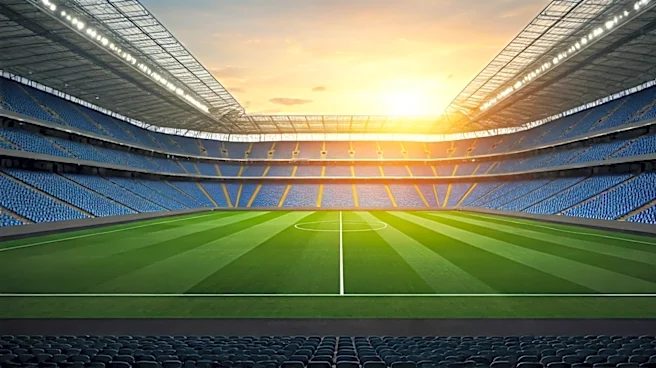
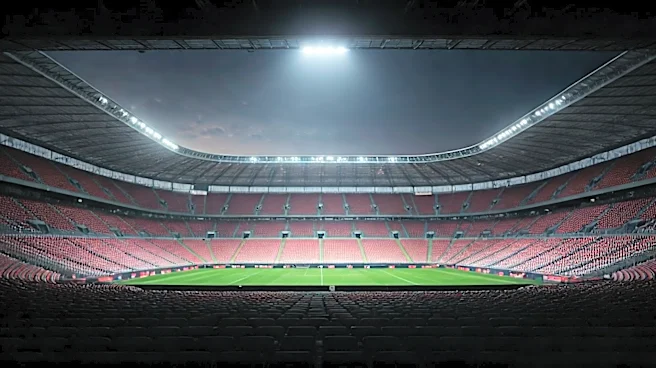
Stadium architects obsess over these differences. The key is the “rake,” or the steepness of the seating tiers. Modern soccer-specific stadiums are often designed with a very steep rake. This allows fans even in the upper levels to feel like they are on top of the action, providing those crucial, panoramic sightlines without being a mile away from the pitch. The goal is to bring a large number of fans as close and as high as possible. In many older, multi-purpose American stadiums—originally designed for baseball or football—the rake is much more gradual. When a soccer match is played there, the field is wide, but the stands are not steep enough. Fans in the lower bowl can't see the whole field, and fans in the upper deck feel incredibly distant, a problem that has driven the boom in building soccer-specific venues in the U.S.