

The Irresistible Pull of Nostalgia
In an era of endless choice, nostalgia is the ultimate shortcut to a viewer's heart. Cast reunions are a powerful marketing tool because they tap into pre-existing emotional connections. Instead of spending millions to convince audiences to care about
a new set of characters, a reunion special starts with a built-in fanbase. This strategy is particularly effective for streaming services, which use reunions and reboots of classics like "Full House" or "The Karate Kid" to attract both original fans and a new, younger generation of viewers. Studies show that nostalgia marketing can be a powerful coping mechanism for audiences during uncertain times, making familiar faces and stories the ultimate comfort food for viewers. This creates a potent combination: guaranteed media coverage and a direct appeal to viewers' fondest memories, cutting through the noise of hundreds of other shows vying for attention.
Turning Premieres Into Unmissable Events
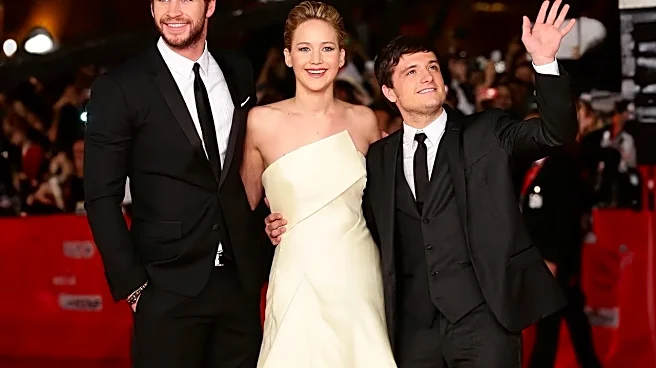
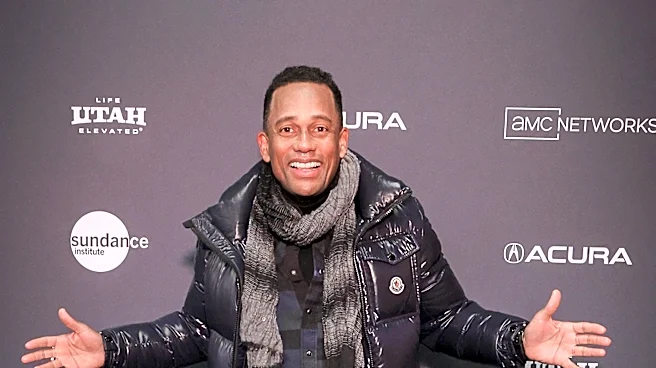
The fall television season is no longer just a schedule—it’s a battlefield. To stand out, networks and streaming platforms treat their key premieres like Hollywood blockbuster openings. These are no mere screenings; they are meticulously crafted events designed to dominate the cultural conversation. A red carpet packed with A-list talent isn't just for show; it’s engineered to generate millions of dollars in earned media value through photos, interviews, and social media chatter. Some premieres feature immersive after-parties that replicate the show's sets or elaborate public stunts, all designed to make the audience feel like they are part of a can't-miss moment. The goal is to create a sense of urgency and cultural relevance, transforming a new series from just another title in a vast library into an appointment-viewing phenomenon.
Powering the Social Media Flywheel
In the modern media landscape, if it didn't happen on social media, it might as well have not happened at all. Cast reunions and premieres are designed from the ground up to be social media catnip. The authentic, often unscripted interactions between former castmates provide a treasure trove of shareable clips, memes, and soundbites. Networks strategically announce reunions and share behind-the-scenes content on platforms like Instagram and TikTok to build anticipation. Similarly, premiere events are filled with photo booths and perfectly staged moments designed to be captured and shared. This user-generated content acts as a powerful form of free advertising, driven by the very fans the network wants to reach. It’s a self-perpetuating cycle: the event fuels social media, and social media, in turn, amplifies the event, creating a wave of buzz that traditional advertising struggles to match.
The Front Line of the Streaming Wars
Ultimately, these elaborate events are a key tactic in the relentless streaming wars. With consumers more likely to subscribe to a service for a specific show and then cancel, creating a high-impact launch is critical. Platforms like Netflix, Disney+, and HBO Max use nostalgia and event-driven premieres as a primary weapon to capture new subscribers and, just as importantly, retain existing ones. An old, beloved show might be what keeps a subscriber from churning, while a massive, buzz-worthy premiere for a new series is what convinces them to sign up in the first place. In a fragmented market where attention is the most valuable currency, a well-executed reunion or premiere can give a service the cultural footprint it needs to win the week, ensuring its content is not just watched, but talked about.