




The Sun Is an Unbeatable Headliner
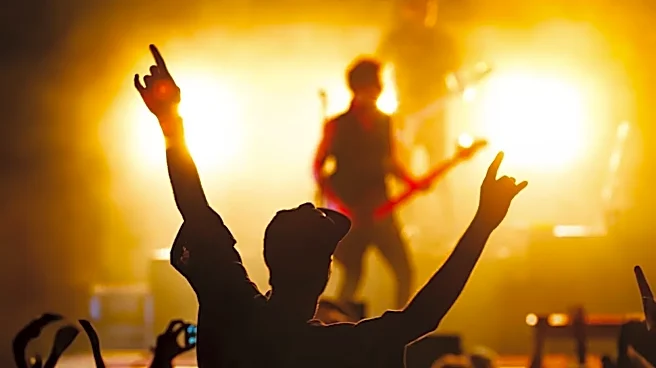
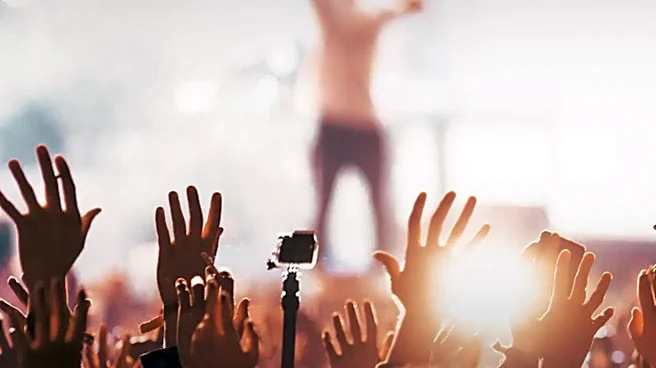
The fundamental challenge is simple physics: a lighting rig is trying to outshine the sun. It’s a battle that even the most powerful, million-dollar setup is destined to lose. Stage lights work by creating contrast, painting with color and shadow on a dark
canvas. Daylight essentially turns the canvas stark white, washing out nearly everything you throw at it. Think of it like using a flashlight in a brightly lit room—the beam is there, but it’s barely perceptible. During daytime sets, even incredibly bright fixtures struggle to make a visual impact. The sheer lumens of the sun overwhelm the carefully programmed colors and movements, rendering complex effects almost invisible to the audience. This forces designers to rethink their entire approach, knowing their most subtle and nuanced tools are temporarily useless.
The Death of Mood and Atmosphere
Beyond pure visibility, lighting is about creating a world. It’s what makes a stage feel intimate, aggressive, melancholic, or euphoric. A soft blue wash can evoke sadness, while sharp, strobing red lights build tension. These effects rely on the ability to control the environment, which is impossible during the day. Daylight is a neutral, universal wash of white light that flattens everything. It eliminates the potential for dramatic silhouettes, deep color saturation, and the interplay of light and shadow that gives a performance its unique visual texture. Instead of creating an immersive bubble for the artist and audience, daytime sets feel more like a performance happening in a park—which is lovely, but it robs the show of the transformative magic that great lighting provides when darkness falls.
How Designers Fight Back
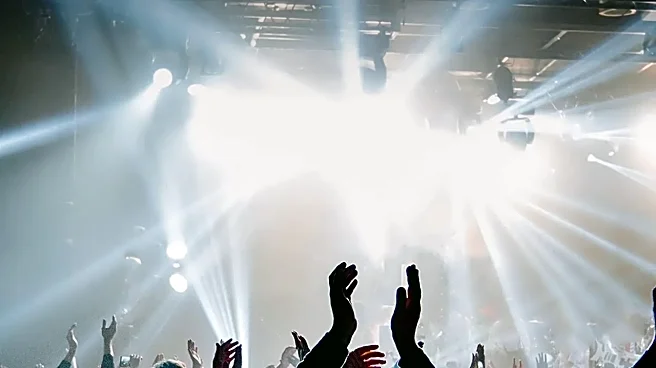
So what can designers do? They adapt by shifting their focus. Since traditional lighting effects are diminished, many turn to tools that can compete with the sun's intensity. Massive LED video walls are a primary weapon. Unlike lights that project onto a surface, LED screens are emissive—they create their own light. This allows them to display bright, high-contrast graphics and videos that can cut through the ambient daylight. You'll also see designers lean more on physical set pieces, pyro, and smoke or haze effects during the day. Haze is particularly crucial, as it gives the diminished light beams a medium to travel through, making them more visible than they would be in clear air. Essentially, designers save their most intricate lighting cues for when the sun begins to set, treating the daytime portion of the show as a different kind of performance.
The Outside Lands X-Factor: Fog
At Outside Lands, there’s a uniquely San Franciscan variable: the fog. The festival's location in Golden Gate Park means the weather can change in an instant, with Karl the Fog rolling in to blanket the Polo Field. This can be both a blessing and a curse for lighting designers. On one hand, a thick layer of fog acts as a natural diffuser. It can soften the harshness of direct sunlight, lowering the ambient light level and effectively creating a giant softbox over the entire festival. This helps artificial lights appear more vibrant and allows some effects to register earlier in the day. On the other hand, its unpredictability makes planning difficult. A sunny set can suddenly become a damp, gray one, requiring a completely different approach. This constant battle with unpredictable natural elements—from brilliant sun to thick fog—makes designing for Outside Lands a particularly dynamic and demanding challenge.