






The Rock's Enduring Gravitas
You can’t talk about “Moana” without talking about Maui, and you can’t talk about Maui without talking about Dwayne “The Rock” Johnson. His return to the role is the remake's anchor, but his influence runs deeper this time. Johnson is also a producer,
a role he has embraced with vocal pride in his Polynesian heritage. For new audiences, Johnson isn't just a movie star; he's a global brand synonymous with charisma and heart. His deep personal connection to the story provides an authentic entry point. He has described the project as emblematic of his culture's “grace and warrior strength.” This isn’t just another gig for him, and that passion is a powerful marketing tool. By centering his genuine commitment, the film can attract viewers who may have missed the animated classic but are drawn to Johnson's earnest championing of his culture.
A New Moana for a New Generation
While The Rock provides continuity, the casting of a new Moana is the remake's boldest statement. Australian newcomer Catherine Laga‘aia is stepping into the title role, a decision that immediately differentiates this version from the original. Laga‘aia, who is of Samoan descent, has called Moana one of her favorite characters and an inspiration for young girls who look like her. Auliʻi Cravalho, the original voice, remains a guiding force as an executive producer, beautifully “passing the baton” to a new actress. This act of mentorship and renewal is a compelling narrative in itself. For younger viewers, Laga‘aia is their Moana. It gives a new generation a chance to connect with the character from the ground up, free from direct comparison to Cravalho’s beloved vocal performance, creating a fresh entry point for families.
The Allure of a Live-Action Ocean
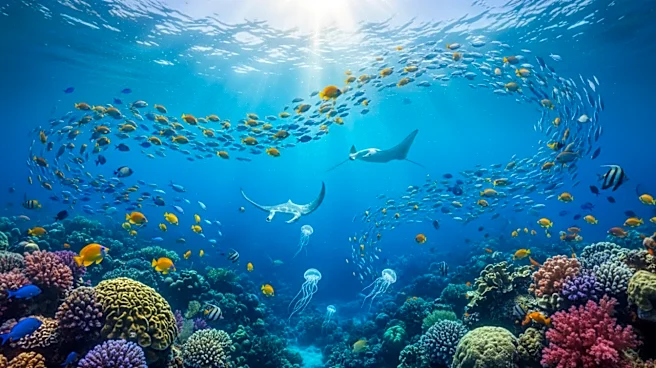
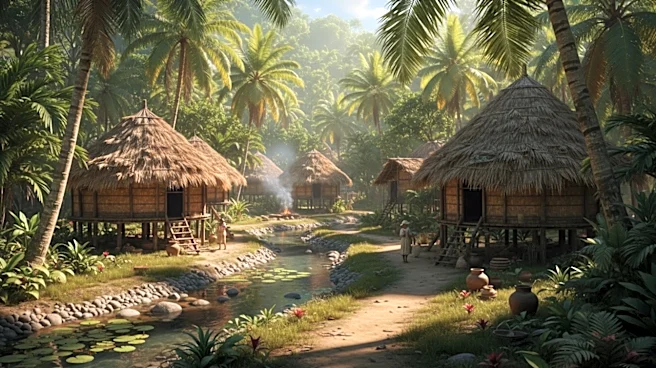
Animation can create impossible worlds, but live-action offers a different kind of magic: tangible, tactile immersion. The success of this remake will hinge on its ability to make the world of Motunui feel real. Imagine seeing the shimmering, living ocean—itself a character in the story—rendered with photorealistic effects. Or the monstrous, bioluminescent glam-rock crab Tamatoa, and the terrifying lava demon Te Kā. Bringing these elements to life presents a visual spectacle that animation can’t replicate. Director Thomas Kail, celebrated for his dynamic stage work on “Hamilton,” has a knack for creating immersive environments. For audiences who are more compelled by sweeping live-action epics than animation, this visual translation could be the key to getting them to finally take the voyage.
A Director with a Theatrical Vision
Speaking of Thomas Kail, his involvement is perhaps the most intriguing element for film and theater aficionados. Kail isn't a typical blockbuster director; his background is in crafting some of the most groundbreaking musical theater of the 21st century. His work on “Hamilton” proved his ability to blend narrative, music, and character into a propulsive, emotionally resonant experience. His selection suggests Disney isn’t aiming for a simple shot-for-shot remake. Instead, it points to a desire to reimagine the film's musical sequences and dramatic beats with a fresh theatricality. This approach could appeal to an older audience, including those who appreciate the craftsmanship of a well-staged musical but may have initially dismissed “Moana” as just a kids' movie. Kail's vision promises a re-interpretation, not just a repeat.
Deeper Dives into Polynesian Culture
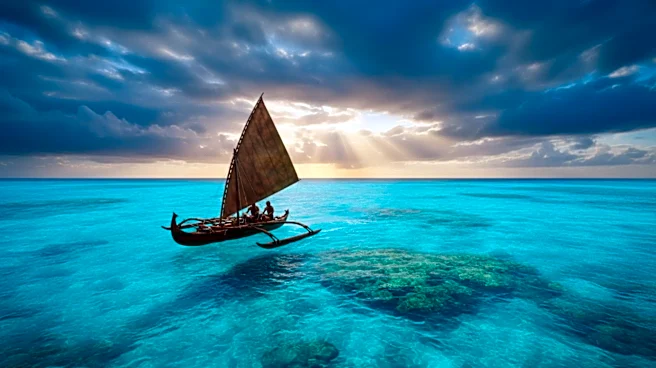
The original film was praised for its celebration of Polynesian culture, and the live-action format offers an opportunity to go even deeper. With Johnson and Cravalho helping steer the ship as producers, and Samoan writer Dana Ledoux Miller co-writing the screenplay, the production is well-positioned to enhance the story's cultural authenticity. The film can spend more time exploring the traditions of Motunui, the art of wayfinding, and the ancestral history that Moana feels so drawn to. For new viewers, this heightened focus on a rich, real-world culture could be a significant draw, setting it apart from more generic fantasy adventures. In a media landscape hungry for authentic representation, a “Moana” that feels even more grounded in its cultural roots has the potential to attract a global audience eager for meaningful storytelling.