




The Glare of the Red Carpet
Picture the scene: the French Riviera in May, where the sun beats down on the famed steps of the Palais des Festivals. Hundreds of photographers and TV crews have their cameras aimed, their flashes popping like a thousand tiny suns. In this sea of bodies, heat, and high-stakes attention, a celebrity steps out of a car. They are expected to look cool, poised, and utterly perfect. The problem is, physics and biology don’t care about couture. The combination of scorching lights, non-breathable high-fashion fabrics, and sheer adrenaline creates a perfect storm for perspiration. For most of us, this is a minor annoyance. For a star on the world’s most scrutinized red carpet, it’s a potential disaster waiting to happen, threatening both the look and the very
fabric of their borrowed, often priceless, gown.
The Million-Dollar Problem
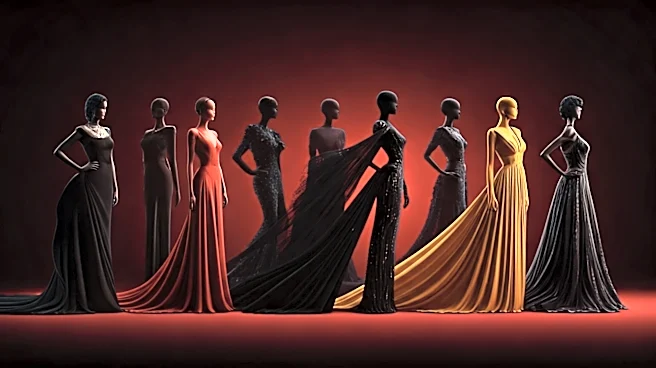
Here’s the part of the fairy tale that usually gets left out: those breathtaking designer dresses are almost never owned by the celebrity wearing them. They are loans from major fashion houses—couture creations that can be valued at tens or even hundreds of thousands of dollars. The celebrity and their stylist are temporary custodians of a museum-quality piece of art. Any damage, from a champagne spill to a makeup smudge, is a crisis. But the most insidious threat is a simple sweat stain. It can discolor delicate fabrics like silk or chiffon, potentially ruining the garment forever. This isn't just an aesthetic issue; it's a massive financial and professional liability. A damaged gown can sour relationships with a designer, cost a stylist their reputation, and create a PR headache. The entire ecosystem of red carpet fashion relies on these garments being returned in pristine condition.
Enter the Unseen Tech
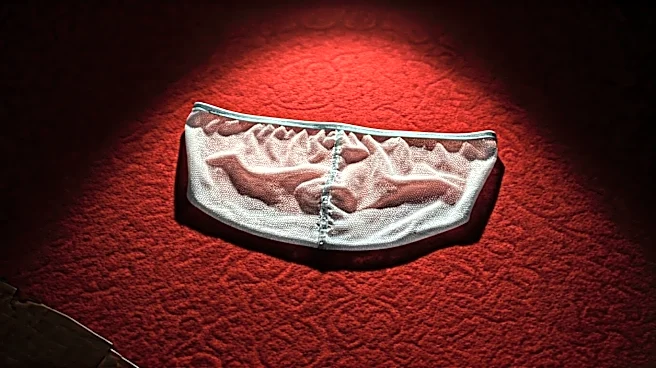
Faced with this high-stakes dilemma, celebrity stylists have turned to a secret weapon that’s more Silicon Valley than haute couture: advanced anti-sweat garment technology. This isn’t your drugstore-variety dress shield. We’re talking about sophisticated undergarments engineered to be invisible, comfortable, and absolutely foolproof. Brands like Numi, founded by a woman tired of dry-cleaning bills for her silk blouses, have become a staple in Hollywood stylist kits. These aren't just undershirts; they are technical apparel. They often feature a low-cut design to remain hidden under any neckline, a slim fit that doesn’t add bulk, and, most importantly, highly absorbent, multi-layer gussets in the underarms. Made from advanced materials like Tencel, which is more absorbent than cotton, these pieces trap moisture and prevent it from ever touching the outer garment. They are the invisible armor that makes red carpet perfection possible, as essential to a stylist as double-sided tape and a steady hand.
The Machinery of Effortlessness
The rise of this anti-sweat tech tells a bigger story about the modern red carpet. It’s no longer just about picking a pretty dress; it’s a finely tuned logistical operation focused on risk management. This small, hidden garment is a tool for controlling the uncontrollable. It allows a celebrity to appear serene and untouched by the chaos and heat around them, preserving the carefully constructed illusion of effortlessness. This level of preparation highlights the immense pressure on public figures to project an image of unattainable perfection. The fantasy we see in photos is the end result of an intense, behind-the-scenes battle against basic human biology. The sweat-proof undershirt is, in its own way, a symbol of the entire celebrity industrial complex: an ingenious, practical, and completely unglamorous solution engineered to uphold a multi-million-dollar fantasy.