



The Suit Is Dead, Long Live the Suit
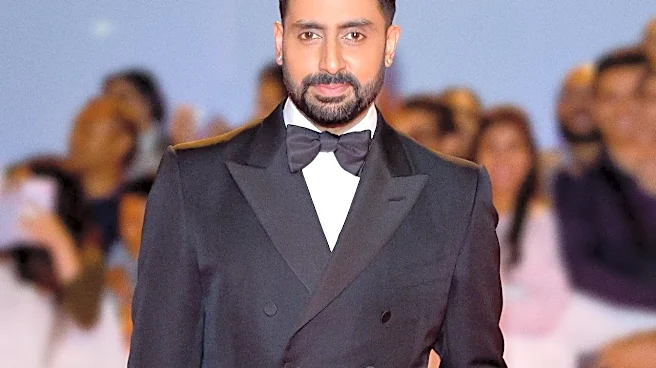
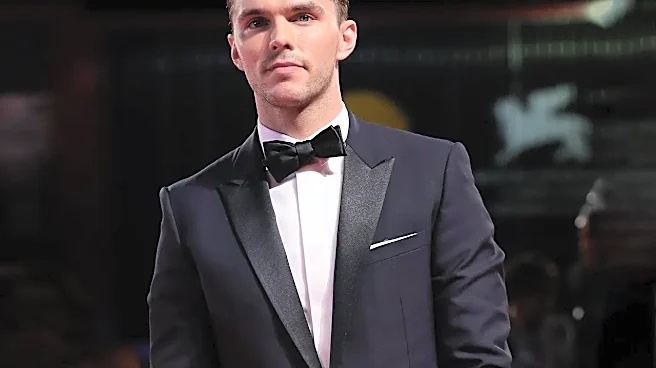
For decades, red carpet menswear followed a simple formula: a black or navy tuxedo, a crisp white shirt, and a bow tie. It was a uniform of masculine conformity, signaling respectability and a certain old Hollywood gravitas. But the recent showings at
TIFF prove the foundation of classic tailoring is now just that—a foundation. It’s a starting point, not a final destination. Younger actors, and even some established style veterans, are treating the suit not as a restrictive uniform, but as a canvas for personal expression. The shapes are still recognizable—a blazer, a trouser—but the execution is infused with a fresh, sometimes irreverent, energy. This isn't about killing the suit; it's about making it feel alive again.
The Art of Deconstruction
One of the most visible trends is the deconstructed suit. Take Sebastian Stan, who arrived for his premiere in a handsome double-breasted Dior suit, but swapped the traditional collared shirt and tie for a simple white crewneck tee. The effect is instantly modern, relaxing the silhouette without sacrificing its sharpness. Similarly, Dylan O'Brien paired an unbuttoned dress shirt and trousers with a leather jacket, blurring the line between formalwear and a more rebellious, casual cool. This mix-and-match approach honors the structure of tailoring while questioning its stuffier rules. The most talked-about example came from former basketball player Dane DiLiegro, who paired a formal blazer and tie with mustard-yellow short shorts, tall socks, and boots. It was a bold move that highlighted a growing confidence among men to play with proportions and expectations on a major red carpet.
Beyond Black and Navy
The other major shift is the confident embrace of color and texture. While Patrick Dempsey looked sharp in a classic navy suit, he was part of a more traditional minority. This year's festival saw actors moving far beyond the safety of neutral tones. Luke Evans, for instance, chose a silky red top with wide-legged bottoms for a look that was both comfortable and commanding. Soccer star Megan Rapinoe wore a striking suit accessorized with a ruby sash and a floral brooch, demonstrating how powerful personal details can be. This move toward bolder hues and tactile fabrics like velvet, silk, and intricate knits signals a departure from the one-size-fits-all approach to eveningwear. Men's fashion is finally embracing the idea that texture and color are just as important as the cut.
Why Now? A Generational Shift
So what's driving this evolution? It's more than just a passing trend; it reflects a broader generational shift in attitudes toward masculinity and self-expression. For younger stars who grew up with social media and a more fluid sense of identity, personal branding is key. Their fashion choices are an extension of their personality, not just an adherence to a dress code. This isn't the outright rebellion of punk rock; it's a more nuanced integration of individuality into established systems. They respect the institution of the red carpet enough to wear a suit, but they demand the freedom to wear it their way. This shift has been building for a few seasons on menswear runways but is now hitting the mainstream in a big way, with major film festivals becoming the new laboratories for modern male style.