

Find the Narrative
A fashion collection isn’t just a random assortment of clothes; it’s a story. Designers use clothing as a language to express an idea, a mood, or a reaction to the world. Before you even look at the individual garments, ask yourself: what’s the big idea here?
Are they exploring rebellion, romance, futurism, or nostalgia? The answer comes from a designer's personal history, cultural heritage, or current events. For instance, the recent London shows for Spring 2027 saw designers exploring the city’s contradictions, mixing precise Savile Row tailoring with the energy of rave culture. This narrative is the lens through which every other element should be viewed. It’s the difference between a parade of outfits and a cohesive artistic statement.
Look for a Consistent 'Vocabulary'
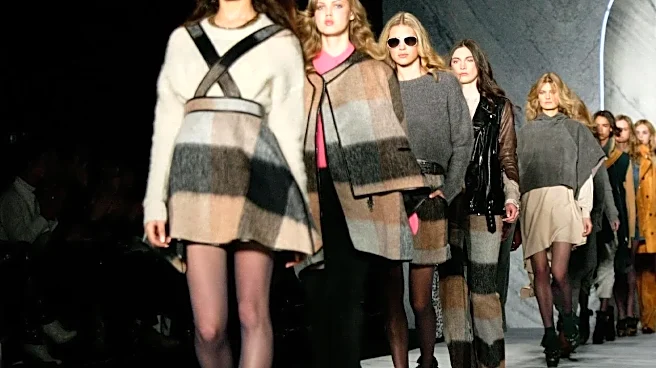
Once you have a sense of the story, look for the recurring words and phrases—the collection’s creative vocabulary. This includes the dominant silhouettes, fabrics, and color palettes. Is the designer using sharp, structured tailoring or soft, flowing drapes? Are the fabrics humble, like the washed denim seen at Burberry, or luxurious and technical? London's latest season, for example, had a strong focus on texture, with leather, suede, and intricate beadwork appearing across multiple collections, signaling a move away from quiet minimalism. These core elements are like a film director's signature camera style; they are the tools the designer returns to again and again to build their world and make their point.
Pay Attention to the Atmosphere
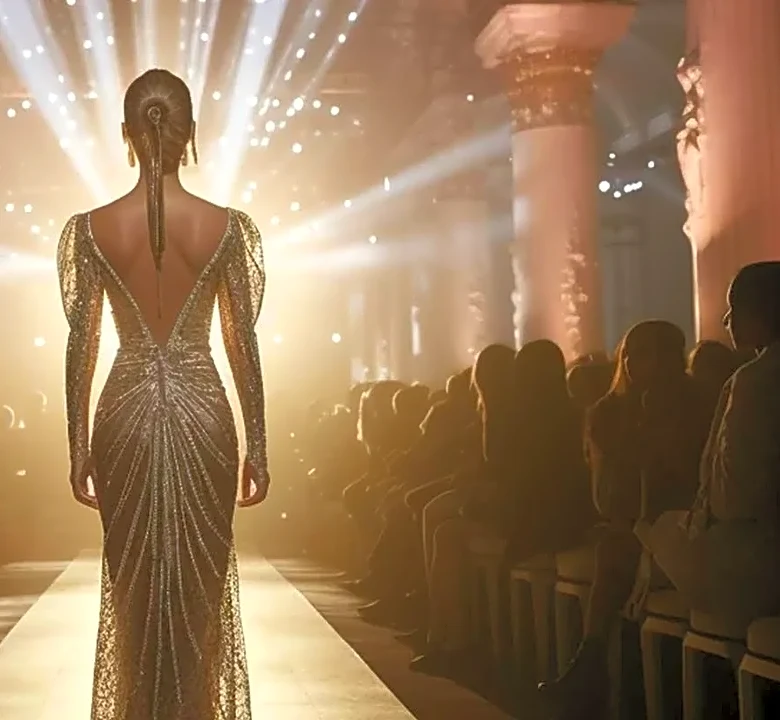
The clothes don't exist in a vacuum. The set design, music, and lighting are all crucial parts of the story. A collection shown in an ethereal garden, like some at the recent London Fashion Week, tells a different story than one staged in a stark, concrete warehouse. The soundtrack is just as important. Aggressive techno creates a sense of urgency and rebellion, while classical music might suggest timelessness and romance. These atmospheric choices are deliberate, designed to immerse the audience in the designer’s world and frame how the clothing is perceived. Sometimes the setting itself is a headline, like when Alexander McQueen returned to London to show in the dark undercroft of a 17th-century chapel. Don't ignore these clues; they provide the context for everything you see.
The First and Last Looks Are Everything
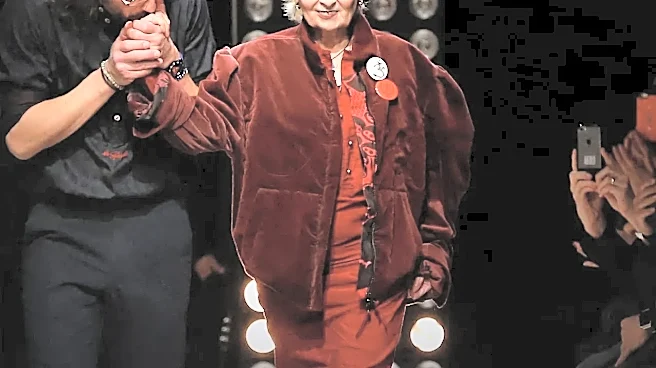
In a runway show, the opening and closing looks are never chosen at random. Think of them as the thesis statement and the conclusion of an essay. The first look sets the tone and introduces the central theme of the collection. It’s the designer's first sentence. The final look is the lasting impression, often the most powerful or fully-realized version of the collection's idea. Sometimes it’s a celebrity cameo or an avant-garde piece designed to spark conversation, but it always serves to wrap up the narrative. By paying close attention to these two bookends, you can quickly grasp the core message the designer wanted to communicate.
Analyze the Styling
A common mistake is to see the hair, makeup, and accessories as separate from the clothes. In reality, the styling is what completes the character. Are the models’ faces clean and natural, or are they wearing dramatic, artistic makeup? Is their hair polished or intentionally messy? At the recent London shows, for instance, many designers opted for more spontaneous, 'undone' styling to push back against a mood that had become too polished and perfect. These choices are fundamental to the story. A beautiful gown paired with heavy combat boots tells a story of contrast and rebellion. The exact same dress worn with delicate ballet flats—a major trend from London's runways—suggests grace and softness. The styling is the final layer of meaning.