






The Psychology of Your Posture
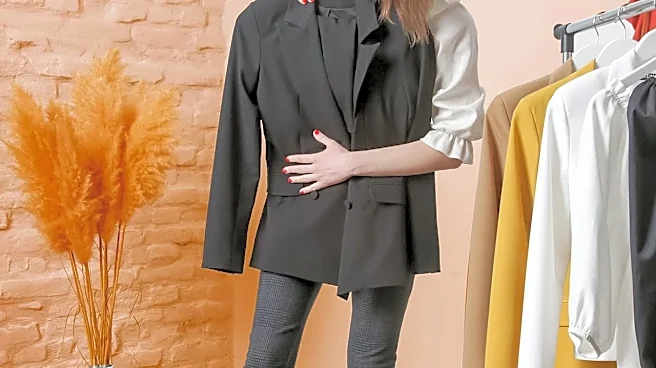
Before diving into specific items, it’s worth understanding a concept called 'enclothed cognition'. This is the idea that our clothing influences our psychological processes and behaviors. When you wear a tailored blazer, you might naturally stand taller
and feel more authoritative. In contrast, slipping into soft, casual clothes can encourage a more relaxed, sometimes slouchy, posture. This mind-body connection is powerful. The symbolic meaning we attach to our clothes—professionalism, comfort, confidence—translates into how we physically carry ourselves throughout the day.
How Footwear Sets the Foundation
Your feet are your body's foundation, and your shoes can throw the entire structure out of alignment. High heels are a primary culprit. They shift your center of gravity forward, forcing your pelvis to tilt and your lower back to arch excessively. This can lead to chronic low back pain, muscle fatigue, and a strained neck as your upper body leans back to compensate. But ultra-flat shoes without arch support can also be problematic, offering little shock absorption and potentially altering your natural gait, which sends stress right up the spine.
When Your Pants Restrict You
Those skinny jeans might look great, but they can be surprisingly restrictive. Tight-fitting pants, especially those made from rigid denim, limit the natural movement of your hips and knees. This restriction can cause you to adopt an abnormal gait or sit with your pelvis tucked under in a posterior tilt. Over time, this can strain your lower back and hip joints. Studies have shown that wearing tight pants can lead to increased trunk flexion when sitting, which may overstretch ligaments and increase stress on your spinal discs.
The Burden on Your Upper Body
For many women, an ill-fitting bra is a hidden source of poor posture. A bra that is too tight can restrict breathing and rib cage expansion, while one with inadequate support, especially for larger busts, can cause the shoulders to round forward into a hunch. This forward pull leads to overworked muscles in the upper back and neck. Similarly, heavy coats, bulky scarves, or even a heavy handbag carried on the same shoulder every day creates an unbalanced load. Your body compensates by hiking one shoulder, throwing your spine out of alignment and leading to muscle imbalances and pain.
How to Become Your Own Posture Detective
You don't need fancy technology to track how your clothes affect you. Start by paying attention to your body. At the end of the day, take a mental inventory. Does your back ache? Are your shoulders tense? Is your neck stiff? Try to connect these feelings to what you wore. Consider keeping a simple 'clothing journal' for a week. Note your outfit and any discomfort you feel. You might notice that on days you wear your supportive sneakers, your back feels fine, but on 'high heel days,' pain emerges. This self-awareness is the first step toward making wardrobe choices that not only look good but feel good, too.