



The Longevity Paradox
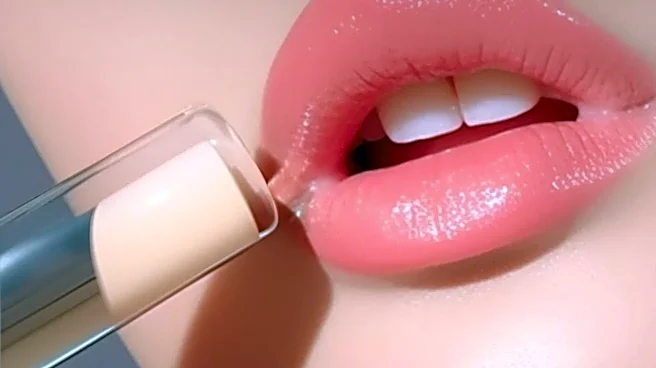
The number one selling point of a lip stain is its incredible staying power. Unlike lipstick that sits on top of the lips, a stain’s water or gel-based formula absorbs into the skin, dyeing it for a transfer-proof finish that can last for hours. For a makeup
artist working on a bride, a photo shoot, or any event where touch-ups are a hassle, this is a massive advantage. The color won't smudge, budge, or disappear after a sip of champagne. But here’s the paradox: while the color lasts, it doesn’t always wear evenly. As the day goes on, the stain can fade in the center of the mouth first, leaving behind the dreaded “ring” effect. Unlike a creamy lipstick that can be easily reapplied, fixing a patchy lip stain is a far more complex and often messy affair, sometimes requiring a full removal and reapplication that isn't practical on a busy set.
An Application Minefield
For professionals, control is everything, and this is where many artists pump the brakes on stains. Because they are designed to absorb and dry quickly, there is very little room for error. A shaky hand or a slight slip outside the lip line can result in an immediate stain that’s difficult to correct without disturbing the rest of the makeup. One makeup artist might love the challenge and precision, viewing it as a test of skill. Another might see it as an unnecessary risk, especially under the time pressure of a client appointment or a fashion show. Makeup artist Lindsey Williams notes that runnier, liquid formulas stain on contact, giving you less “wiggle room to buff and blend.” This is why many pros who do use stains prefer to apply them with a separate brush for maximum precision, rather than using the included applicator.
The Great Hydration Debate
Perhaps the most significant point of contention is the effect of stains on the lips themselves. Many formulas, especially those with alcohol to speed up drying time, can be incredibly dehydrating. An artist focused on skin health and client comfort may refuse to use a product that could leave lips feeling tight, chapped, and flaky. They argue that a beautiful makeup look should never come at the cost of comfort. On the other side of the debate are the artists who believe it's all in the prep work. They argue that with meticulous exfoliation and a generous layer of hydrating lip balm applied beforehand, the drying effects can be mitigated. For them, the long-wear result is worth the extra preparation steps. This disagreement highlights a fundamental split in philosophy: is the final look paramount, or is the client's comfort and the condition of their lips the top priority?
A Question of Finish and Versatility
Finally, there's the creative disagreement. Lip stains typically provide a very specific look: a sheer-to-matte, just-bitten wash of color. While this is perfect for the natural, “no-makeup makeup” aesthetic popular in K-beauty, it’s not always the right choice. A look might call for the creamy sheen of a satin lipstick, the high-impact shine of a gloss, or the plush, velvety texture of a modern liquid lipstick. Some artists feel creatively limited by the finish of a stain. Others, however, see it as a versatile base. A popular pro technique is to apply a stain first for its staying power, then layer lipstick or gloss on top. This provides a safety net of color that remains even after the top layer has worn off, offering the best of both worlds. The disagreement, then, isn’t just about the product itself, but how it fits into an artist’s broader creative toolkit.