

Not Your Father’s Mullet
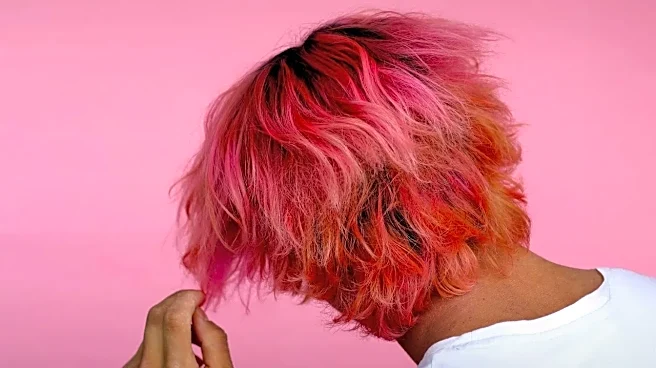
First, let's get one thing straight: the modern mullet is a world away from its '80s ancestor. Today’s iteration is less a severe “business in the front, party in the back” statement and more of a soft, blended, and textured style. Often called a “shag”
or a “wolf cut,” this new version is defined by choppy layers, significant volume at the crown, and a wispier finish. It’s a cut celebrated for its versatility, working with straight, wavy, and curly hair alike, and for its rebellious spirit of self-expression. Unlike the rigid styles of the past, the modern mullet and its cousins are all about movement, individuality, and a certain “cool without trying” attitude. This new shape is far more wearable, designed to grow out gracefully into a layered shag, making it a surprisingly low-maintenance choice.
The Rebellion Against 'Perfect' Hair
The rise of the modern mullet isn't just about a haircut; it's a cultural shift. For years, the dominant hair ideal was smooth, sleek, and perfectly controlled—a look often achieved only with significant time and heat styling. The shaggy, layered texture of the wolf cut and modern mullet represents a move away from that high-effort perfection. It’s part of a broader trend embracing natural texture and low-maintenance routines. People are increasingly looking for ways to work with their hair, not against it, and this cut is the perfect foundation. The goal is no longer stick-straight strands but an “undone, but done” look that feels authentic and effortless, even if it takes a little product to get there. This mindset prioritizes hair health by reducing heat damage and embracing air-drying, a practice that has become a cornerstone of the modern mullet look.
The 'Effortless' Effect on Your Shelf
Here’s where the quiet revolution happens. To achieve the signature textured, voluminous, and piecey look of a modern mullet, you need a completely different arsenal of products. The demand for shine serums and heavy straightening creams has given way to a booming market for products that create grit, body, and hold. The global market for hair texturizers—a category including sprays, creams, pastes, and mousses—was valued at over $4 billion in 2023 and is projected to grow significantly, reaching an estimated $6 billion by 2030. The hero products for today's shaggy styles include sea salt sprays for a beachy, lived-in feel, matte pastes and clays for separation without shine, and curl creams to enhance natural patterns. This shift is also driving sales for volumizing mousses and texturizing sprays, which are essential for creating lift at the crown and achieving that signature messy-chic finish.
A New Language for Hair
The modern mullet hasn't just changed what we buy; it's changed how hair care is sold. Brands are now speaking a different language. Instead of focusing solely on traditional benefits like “anti-frizz” or “smoothing,” the marketing lexicon has expanded to include words like “texture,” “grit,” “movement,” and “air-dry.” You'll now find entire product lines dedicated to achieving the perfect air-dried style, promising definition without the crunch. This new vocabulary reflects a fundamental change in our hair goals. We're no longer battling our hair's natural tendencies into submission. Instead, we're being sold products that help us enhance what’s already there. The modern mullet, in all its shaggy glory, has become the poster child for this new era of hair acceptance, pushing the industry to celebrate texture in all its forms.