



The Scene in Florence
Pitti Uomo is less a traditional fashion show and more a massive trade fair and peacocking pageant for the menswear industry. Buyers, editors, and influencers from around the globe descend on the city’s Fortezza da Basso to see what’s next. While brands
present their new collections inside, the real show is often on the cobbled streets outside. The 'Pitti Peacocks,' as they’re known, are walking barometers of taste, and what they wear—and how they wear it—often predicts the trends that will trickle down to mainstream retail months later. For the past decade, that street style has been dominated by a specific aesthetic: luxury streetwear, chunky 'dad' sneakers, logomania, and a generally oversized, comfort-first silhouette. But recently, the winds have shifted.
A Cinch in Time
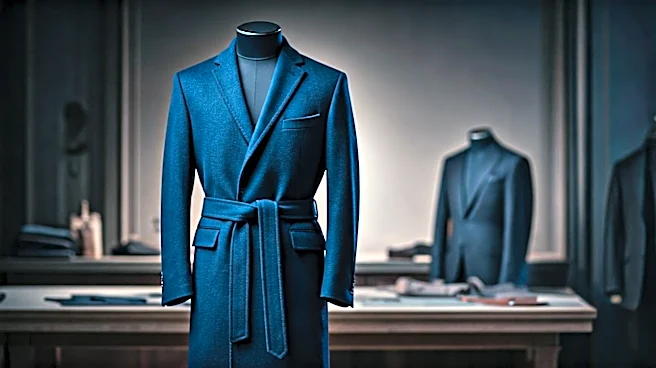
The standout micro-trend from recent Pitti gatherings isn’t loud or flashy. It’s the quiet, confident return of the belted waist. We’re not just talking about the standard leather belt holding up trousers. This is about outerwear. Editors and tastemakers were spotted in classic trench coats cinched tightly, safari jackets given a defined silhouette, and even soft, robe-like overcoats tied at the waist like a boxer’s dressing gown. These weren't afterthoughts; the belt was central to the look, whether it was a matching fabric belt that came with the coat or a contrasting leather one used to provide structure to a looser garment. It was a deliberate, sartorial move that felt both nostalgic and completely new in the current landscape.
The End of the Hypebeast Era?
This embrace of the belt is more than just a styling trick; it’s a quiet rebellion against the dominant menswear aesthetic of the 2010s. For years, the coolest thing a man could wear was shapeless, comfortable, and branded. The oversized hoodie, the baggy cargo pant, the puffy jacket—these were status symbols that prized comfort and brand allegiance over fit and form. They were democratic in a way, hiding the body and focusing attention on the logo. The return of the waist marks a pivot back toward the individual. Cinching a coat is an act of shaping, of creating a silhouette. It’s a move away from hiding the body and a step toward celebrating its form. It signals a fatigue with algorithm-driven hype and a renewed hunger for timeless elegance and personal style.
The Psychology of the Waistline
In the language of classic tailoring, defining the waist is fundamental. It creates an aspirational V-shaped torso, broadens the shoulders, and elongates the legs. It’s a subtle display of control and intention. While an unbuttoned, flowing coat can project a certain nonchalance, a belted one suggests a man who has considered his look from every angle. It’s structure, not sloppiness. This shift aligns with a broader cultural movement often dubbed 'quiet luxury' or 'stealth wealth.' Instead of a loud logo, the flex is in the quality of the fabric, the perfection of the cut, and the thoughtful details—like a perfectly tied belt. It communicates sophistication without shouting. It’s less about what you’re wearing and more about how you’re wearing it.
How It Translates to Your Wardrobe
The good news is that this isn’t an intimidating or expensive trend to adopt. In fact, you may already own the key piece: a classic trench coat. The lesson from Pitti isn’t to buy a whole new wardrobe, but to re-examine what you have. Try tying the belt on your trench instead of buckling it for a more relaxed, 'sprezzatura' feel. Consider a belted safari jacket as a modern alternative to a blazer. For the more adventurous, a belted, chunky cardigan can replace a light jacket in transitional weather. The core idea is simply to play with your silhouette. The re-emergence of the belted waist is an invitation for men to once again think about shape, proportion, and the power of a well-defined look.