





The Randall's Island Era (2012-2019)
To understand the move, you first have to remember the original Frieze New York. Launched in 2012, it was an art world spectacle housed in a massive, bespoke tent on Randall’s Island. The journey was part of the experience: attendees took a dedicated ferry or buses, turning the trip into a mini-excursion. The sprawling, light-filled tent designed by SO-IL architects was iconic, offering a unique, campus-like atmosphere distinct from the city’s bustle. For a while, it worked. The fair felt like a destination, a world unto itself. But the novelty was shadowed by significant logistical headaches. The remote location made quick trips impossible, and the reliance on a temporary structure left it vulnerable. Every year, art world insiders would trade
stories of extreme weather—from sweltering heat waves that turned the tent into a greenhouse to torrential downpours that created muddy chaos.
The Cracks Begin to Show
By the late 2010s, the charm of the island trek was wearing thin, and the costs were mounting. Constructing and climate-controlling a quarter-million-square-foot tent each year was an enormous, expensive undertaking. The unpredictable weather wasn't just an inconvenience for visitors; it was a risk for the priceless artworks inside. The fair’s leadership knew a change was needed for long-term stability and growth. The whispers started around 2018. Frieze was actively scouting new, permanent homes. The goal was to find a location that was more accessible, less susceptible to the elements, and better equipped to provide a premium experience for galleries and collectors who were paying top dollar to participate. It was a search for a venue that matched the fair's global ambition.
Enter The Shed: A High-Tech Solution
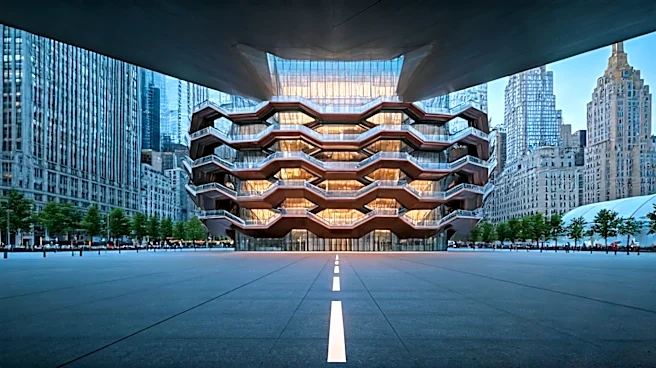
As Frieze was searching, a new cultural behemoth was rising on Manhattan’s far west side: The Shed. Part of the controversial but undeniably ambitious Hudson Yards development, The Shed was designed as a flexible, state-of-the-art cultural center. Its most talked-about feature is its telescoping outer shell, which can glide over an adjoining plaza to nearly double the building's footprint. For Frieze, The Shed was a perfect match. It offered a prime Manhattan location, eliminating the ferry ordeal. It provided a climate-controlled, architecturally significant environment that was both weatherproof and impressive. And its flexible spaces could be configured to accommodate the multi-gallery format of a major art fair. Initial conversations between Frieze and The Shed’s leadership, including its artistic director Alex Poots, confirmed a shared vision. The move would anchor Frieze firmly within New York’s cultural infrastructure, not on its periphery.
The Official Announcement (July 2020)
In the midst of a global pandemic that had shuttered the art world, Frieze made its landmark announcement in July 2020. Frieze New York 2021 would not be returning to Randall's Island. Instead, it would debut a new, more focused edition at The Shed. The news was delivered by the fair's new director, Rebecca Siegel. The official reasoning highlighted the move as a way to create a more intimate and focused fair, featuring a curated selection of around 60 major galleries, a significant reduction from the 200+ at Randall's Island. The partnership was framed as a collaboration, uniting two major cultural brands. For The Shed, hosting Frieze solidified its status as a major player in the city's arts ecosystem. For Frieze, it was a declaration of resilience and a strategic bet on a post-pandemic future centered in the heart of the city.
The Pandemic-Era Debut (May 2021)
The first Frieze at The Shed took place in May 2021 and was, by necessity, a different kind of fair. As one of the first major in-person art events to return to New York, it operated under strict COVID-19 protocols. Capacity was limited, and tickets were timed to prevent crowding. The fair occupied multiple levels of The Shed, using its galleries and open spaces to create a vertical, easily navigable experience. Despite its smaller scale, the debut was hailed as a resounding success. The logistics were seamless. Collectors and critics praised the quality of the presentations and the civilized, manageable viewing experience. The central location allowed attendees to easily combine a visit with other city activities. It proved that the concept worked beautifully, setting a new standard for what a New York art fair could be.