






The Lineup as a Financial Portfolio
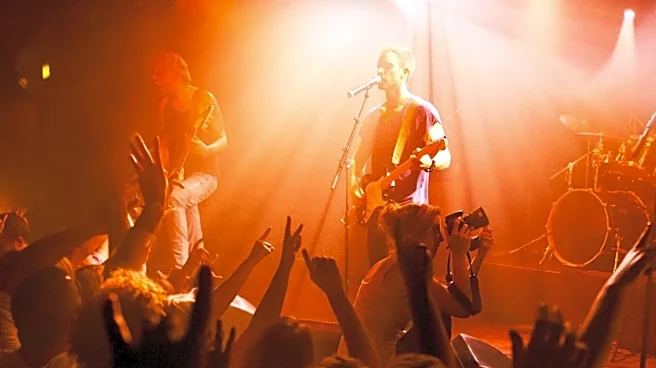
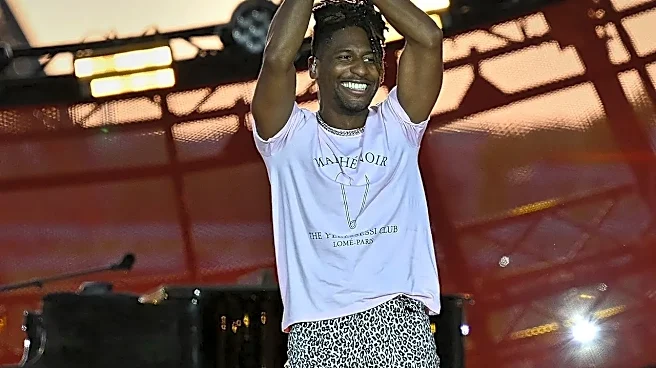
Look past the names on the poster and you'll see a carefully balanced financial portfolio. The 2026 lineup, featuring a mix of massive headliners like Twenty One Pilots and Lorde, beloved legacy acts like The xx, and rising stars such as Young Miko, isn't
accidental. Festival organizers today operate like data analysts, using streaming numbers, social media engagement, and demographic data to build a roster designed to move tickets across different fanbases. Headliners justify the high ticket prices, while a deep undercard of diverse and emerging artists creates a sense of discovery and value. This strategy mirrors a wider industry trend where festivals serve as discovery engines for new talent while relying on established names to guarantee sales. The inclusion of global genres, a growing trend in live music, further expands the festival's appeal, turning it into a cultural event that attracts audiences from beyond the local market.
The Price of Admission
The complex, multi-tiered pricing for ACL is a masterclass in modern revenue strategy. With three-day passes starting at several hundred dollars and single-day tickets also commanding a premium, the festival reflects the live music industry's significant price increases since 2019. Many GA and GA+ tickets for the 2026 festival sold out quickly, pushing fans to a waitlist or more expensive VIP and Platinum packages that can run into the thousands. This isn't just inflation; it's a calculated response to strong consumer demand, particularly from younger audiences who have shown a growing willingness to spend on live experiences. The pricing structure, with different costs for each weekend and VIP tiers offering better amenities, allows promoters to capture the maximum possible revenue from every type of consumer, from the budget-conscious fan to the high-spending aficionado.
The Squeeze on the Middle
While the live music industry is seeing record-breaking revenue at the top end, there's a growing squeeze on mid-tier artists and smaller festivals. ACL's lineup illustrates this dynamic. The roster is heavy with A-list headliners who can sell out arenas on their own and a large number of smaller, buzzworthy acts perfect for social media discovery. However, the space for mid-career bands who are too big for the small stages but not yet headliners is shrinking. This reflects a broader market split where mega-tours and niche events thrive, but mid-sized tours and festivals struggle with soaring production costs and audience fragmentation. For many mid-level artists, the economics of a headlining club tour are becoming more attractive than a festival slot with a flat fee.
More Than a Concert, It's an Economy
A modern festival's business model extends far beyond the stage. ACL is a pop-up economy focused on the "experience." The significant revenue from food, merchandise, and corporate sponsorships is now essential to profitability. This mirrors a global trend where fans spend a large portion of their budget on non-ticket items. In fact, for traveling fans, only about 40% of their total trip cost goes to the event ticket itself, with the rest funding hotels, food, and local tourism. This turns festivals like ACL into massive economic engines for their host cities, with ACL itself generating an estimated annual economic impact of over $500 million for Austin. The emphasis on creating a shareable, all-encompassing experience is a direct response to a market where fans, especially younger ones, prioritize experiences over goods and document their lives online.