









A Tournament Forged in Summer Heat
Forget the temperate climates of recent World Cups. The 2026 tournament, hosted across the United States, Mexico, and Canada, is a summer affair. While games in Vancouver will be pleasant, the U.S. slate is daunting. Matches are scheduled in Miami, Dallas,
Houston, and Atlanta—cities synonymous with oppressive June and July humidity where temperatures routinely soar past 95°F (35°C). FIFA has acknowledged the challenge, with some knockout games scheduled for indoor, climate-controlled stadiums like the one in Arlington, Texas. But many matches will still be played outdoors or in open-roof venues, exposing players to conditions that sap energy, slow cognitive function, and dramatically increase the risk of heat-related illness. This isn't just uncomfortable; it's a fundamental variable that will shape tactics, team selection, and ultimately, outcomes.
The Inescapable Science of Aging
So, why will older players feel this more acutely? It boils down to thermoregulation—the body's internal air-conditioning system. As athletes age, this system becomes less efficient. A player in their mid-to-late 30s simply cannot cool down as effectively as their 22-year-old counterpart. Several factors are at play. First, maximum heart rate declines with age, limiting the cardiovascular system's capacity to pump blood to both the working muscles and the skin for cooling. Second, sweat response changes. While older athletes may sweat just as much, the process can be less efficient, and their bodies are often less adept at retaining essential electrolytes lost through perspiration, leading to quicker dehydration and cramping. Finally, and perhaps most critically, is recovery. A younger player might bounce back from a 90-minute slog in the heat within 48 hours. For an older player, that recovery period can stretch to 72 hours or more, a significant disadvantage in a tournament with a relentless schedule.
Legends Racing Against the Thermometer
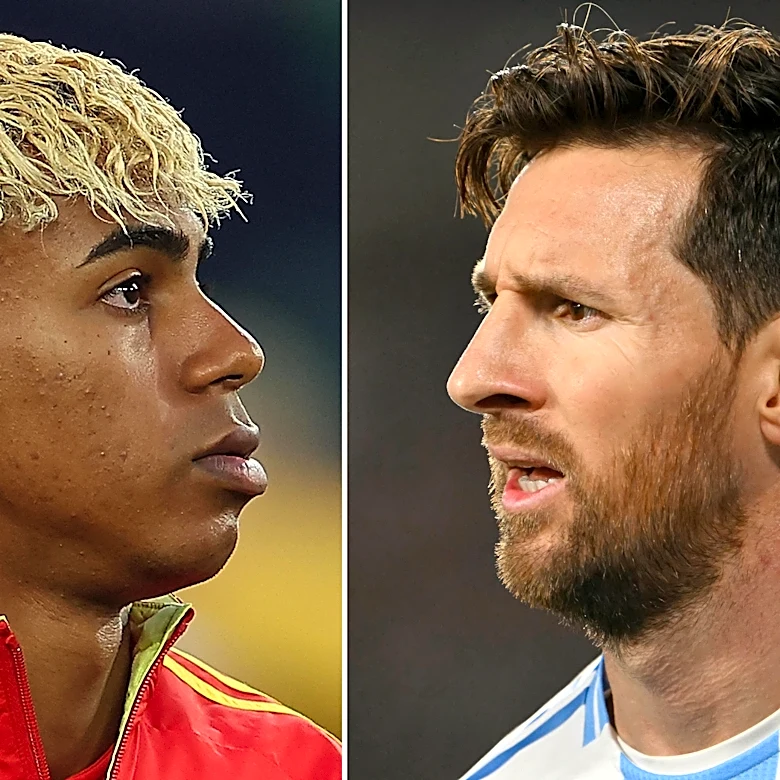
This isn't an abstract scientific problem; it has a face. Several, in fact. Think of the global superstars likely making their World Cup swan song. Lionel Messi will be 39. Kevin De Bruyne will be 35. Virgil van Dijk will be 34. These are not just names on a team sheet; they are the creative engines and defensive anchors of their national teams. Their ability to perform at a world-class level for 90 minutes, potentially into extra time, will be severely compromised by the heat. A midfielder who relies on a late burst of speed to beat a defender, or a playmaker whose genius depends on sharp, rapid decision-making, will find their greatest assets dulled by fatigue. We may see legendary players subbed off at the 60-minute mark not because of poor performance, but as a necessary act of preservation. For these icons, the quest for a final moment of glory is a race against both the opponent and their own body's cooling capacity.
The New Strategic Frontier
Smart coaches and national federations are already preparing for this. The 2026 World Cup will be a masterclass in load management and sports science. The five-substitute rule, now a permanent fixture, will be a coach’s most valuable tool, allowing them to rotate players and protect veterans. But the strategy goes deeper. Teams will likely arrive in the U.S. weeks earlier than usual for heat acclimatization camps, trying to force their players' bodies to adapt. Pre-cooling strategies, like wearing ice vests during warm-ups, will become standard procedure. Hydration and nutrition plans will be monitored with scientific precision. The very style of play may have to change. The high-pressing, high-energy game that dominates modern club soccer is simply unsustainable in 100-degree humidity. We might see a return to a more patient, possession-based style, not for tactical artistry, but for sheer survival.