



The Art of the Invisible Storyteller
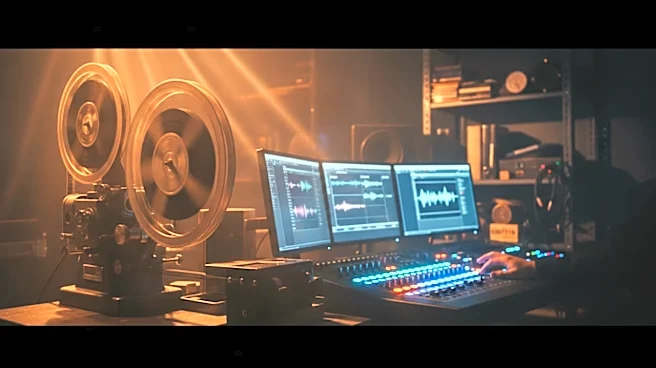
At its core, film editing is the art of manipulating time and attention. While a director captures moments, an editor decides which ones you see, for how long, and in what order. This sequence creates a rhythm, a pattern of cuts and shot durations that
works on a subconscious level. A fast pace, with rapid-fire cuts, can create a sense of energy, chaos, or excitement. A slower pace with longer takes allows for emotional moments to breathe and tension to build. The legendary editor Walter Murch, famous for films like Apocalypse Now and The Godfather, placed rhythm as the third most important element of a good cut, just after emotion and story. He argued that a cut has to feel rhythmically right, like a dancer hitting a beat, to keep the audience locked in. This invisible pulse is the editor's primary tool for guiding your experience. When it works, you don't notice the cuts at all; you just feel them.
Timing the Perfect Laugh
In comedy, timing isn't just important; it's everything. And in film, editing is timing. Take the work of director Edgar Wright, a master of comedic rhythm. In films like Shaun of the Dead and Hot Fuzz, mundane actions—like making tea or doing paperwork—are transformed into hyper-kinetic montages. The humor comes from the contrast between the boring activity and the epic, rapid-fire editing style, often punctuated by whooshing sound effects. These sequences use jump cuts and quick, jarring edits not just to be flashy, but to build a comedic tempo. The laugh often comes from the sheer pace and absurdity of the presentation. Reaction shots are another key tool; cutting to a character's baffled expression just after a punchline gives the audience permission to laugh and helps the joke land with more force. A cut that’s just a few frames too late or too early can kill the joke entirely. The editor's job is to find that perfect, razor-sharp moment where the cut itself becomes part of the punchline.
Hiding Clues in Plain Sight
The same rhythmic principles used to highlight a joke can be used to hide a clue. This is where editing becomes a form of misdirection, a magic trick worthy of a master illusionist. A mystery filmmaker doesn’t want the audience to solve the puzzle on page one. The editor's task is to present crucial information without flagging it as important. This is often done by burying a clue within a sequence that has a completely different emotional or rhythmic focus. For instance, a vital object might be visible in the background of a fast-paced, comedic argument. Your brain registers the object, but your attention is directed toward the witty dialogue and the rapid back-and-forth cuts. The clue is there, but the rhythm of the scene tells you, “This isn’t the important part.” Later, during the big reveal, a flashback will replay that shot, but with a different, slower rhythm, allowing you to finally register what you saw but didn't see.
The Viewer's Unconscious Dance
Ultimately, this editing rhythm plays on our natural cognitive processes. Walter Murch developed a fascinating theory connecting the cut to the blink of an eye. He observed that people tend to blink when they've grasped an idea or completed a thought. A cut, he proposed, should function in the same way, occurring at the moment an audience has processed the information in a shot and is ready for the next idea. By controlling the rhythm of these 'blinks,' an editor can synchronize the entire audience's thought process. A frenetic, fast-cutting sequence overwhelms the conscious mind, making you react emotionally—with laughter or with anxiety. A slower, more deliberate rhythm gives you space to think and feel, but the editor is still guiding those thoughts. This is why great editing is so powerful. It doesn't just show you a story; it creates a shared, controlled experience, making hundreds of people in a dark room laugh, gasp, and understand, all at the exact same moment.