




The Death of the Belt Loop
First, you notice it on a trench coat with a sash that’s seamlessly stitched into the back. Then, you see a pair of high-waisted trousers with a long, fabric tie that’s part of the waistband itself. This isn’t about finding the right belt anymore; the garment
is the belt. This trend signifies a move towards integrated design, where the function of a belt—to shape, secure, and define the waist—is built directly into the clothing. It creates a cleaner, more intentional silhouette. Instead of the slight bulk of a leather strap under a blazer or over a dress, an integrated belt offers a fluid, uninterrupted line, turning a simple cinching mechanism into a deliberate design feature.
Function, Meet Fashion
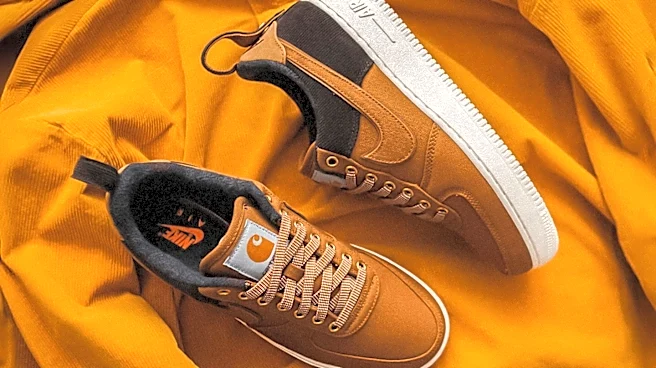
The rise of the integrated belt is partly a reaction to years of oversized and shapeless silhouettes. As tailoring makes a comeback, designers are seeking new ways to create definition that feels both effortless and modern. A built-in belt is a perfect solution. It offers the wearer instant adjustability without the need for tailoring or the fuss of finding a matching accessory. Brands known for their technical and utility-wear, like Gramicci and Carhartt WIP, have long used integrated nylon belts for function. Now, high fashion is borrowing that principle for aesthetics. The result is a garment that is inherently more versatile and user-friendly, catering to a desire for clothing that is both practical and polished.
An Architectural Statement
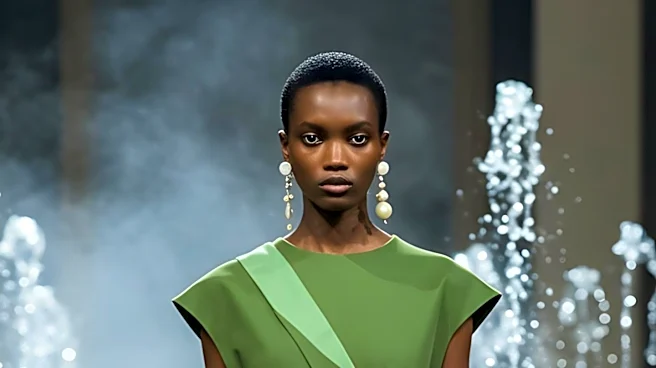
On the runway, this trend takes on a more dramatic and architectural quality. Designers have been exploring the very idea of what a belt is. For some, it has become the garment itself. Collections from Dsquared2 and Hodakova have featured dresses and tops constructed entirely from layered leather belts, transforming a humble accessory into the main event. At the same time, others like Michael Kors and The Frankie Shop have presented pieces with two belts built directly into the waist of a skirt or trousers, playing with the idea of functional decoration. This approach treats the belt not as a tool for styling, but as a structural component, much like a pleat or a seam, used to build shape and form directly into the clothing.
A More Thoughtful Way of Dressing
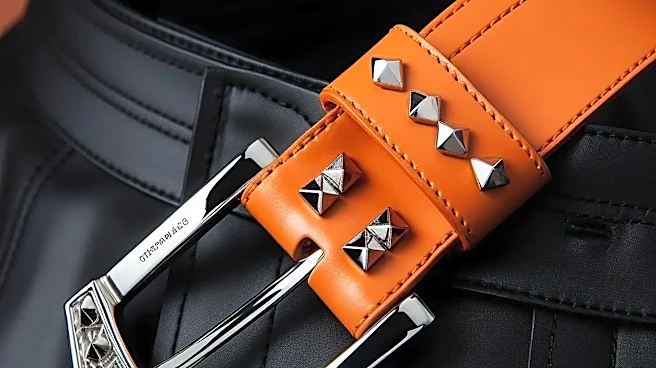
Ultimately, the shift from accessory to structure reflects a broader desire for more thoughtful, intentional design. An integrated belt suggests that the designer has already considered the final silhouette, offering a complete and cohesive vision. It eliminates the guesswork for the wearer and provides a streamlined dressing experience. While separate belts will always have their place—especially statement pieces with unique buckles or textures—the integrated belt speaks to a modern appreciation for clothes that are cleverly constructed and easy to wear. It’s a quiet innovation that challenges the line between a garment and its accessories, proving that sometimes the most impactful details are the ones that are built right in.