



The Allure of 'Soft' Suiting
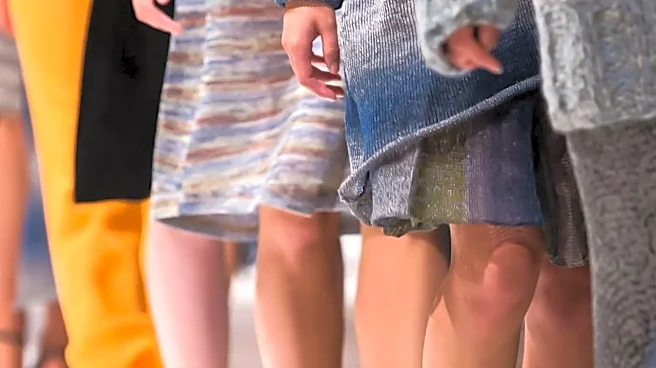
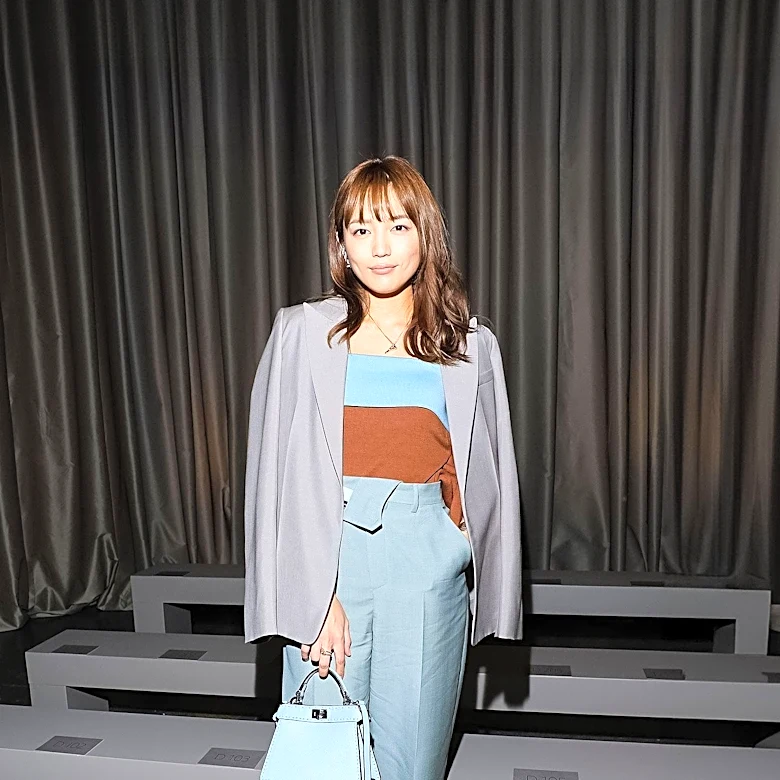
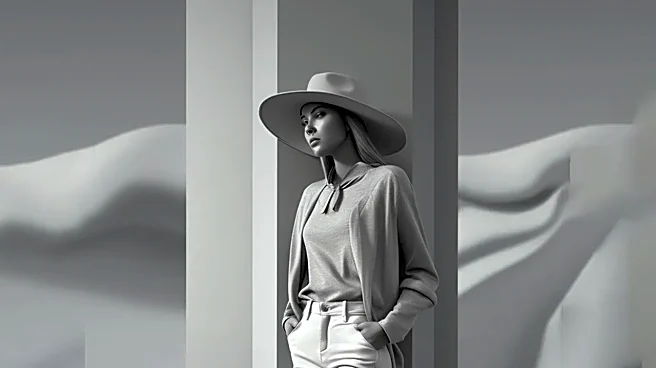
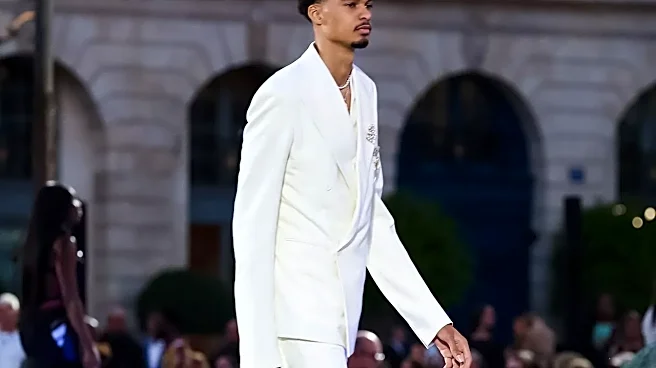
Walk the streets of Copenhagen during fashion week, and you’ll see it everywhere: blazers that drape just so, trousers that billow elegantly, and suits that look as comfortable as they are chic. This is the essence of “soft tailoring,” a style that prioritizes
a relaxed, fluid silhouette over the rigid, hyper-fitted cuts of traditional power suits. It’s an aesthetic built on movement and ease, swapping stiff shoulders and constricted waists for a more natural, flowing line. The look is less about imposing a shape onto the body and more about complementing it, creating a sense of effortless sophistication that feels perfectly in tune with the Scandinavian focus on practicality and minimalist design. The result is clothing that moves with the wearer, suitable for a bike ride to a business meeting and everything in between.
Beneath the Surface: The Hidden Architecture
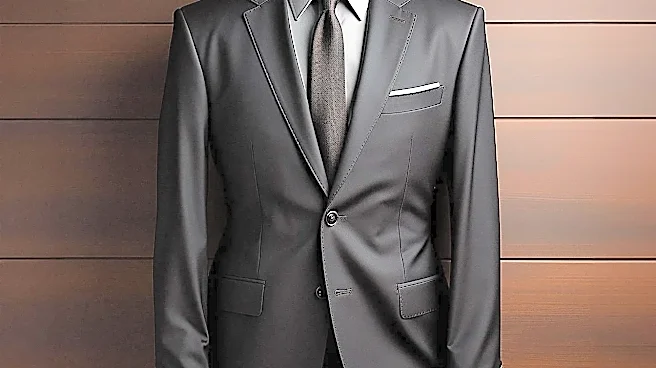
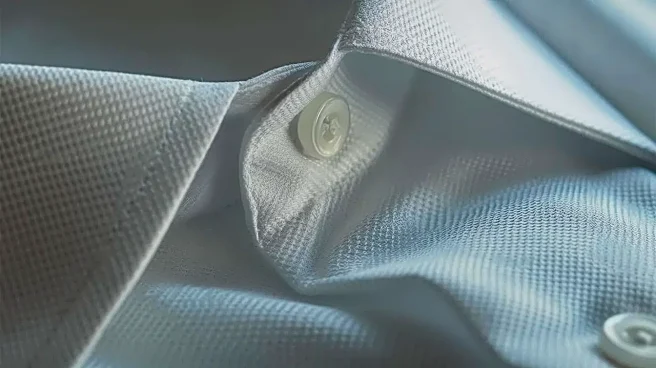
Here's where the paradox comes in. The common misconception about soft tailoring is that it's simply unstructured or oversized clothing. In reality, a truly beautiful, relaxed garment that doesn't collapse into a shapeless heap requires an incredibly precise and firm internal architecture. This isn’t about heavy, restrictive padding. Instead, it’s a modern approach to old-world craftsmanship. High-end tailors achieve this effect using carefully placed, lightweight canvas in the chest and lapels, which allows the jacket to mold to the body over time. Seams, darts, and supportive interlinings are meticulously engineered to provide shape and control the fabric's drape. This hidden framework is what creates the perfect shoulder line and ensures the lapel has a clean, elegant roll, preventing the garment from looking sloppy.
Structure Creates Fluidity
So why is a firm foundation essential for a soft look? Without it, a relaxed-fit blazer is just a baggy jacket. The internal structure acts as an anchor, giving the fluid fabric a point of reference. Think of it like the frame of a kite; without the rigid spars, the fabric can't catch the wind and fly—it just crumples. Similarly, the internal tailoring ensures an oversized blazer hangs correctly from the shoulders, creating a deliberate and flattering silhouette rather than just adding bulk. It’s this engineered balance that allows for generous proportions and flowing lines without sacrificing the authority and polish that makes a suit powerful. The structure doesn't constrict; it liberates the fabric, allowing it to drape and move exactly as the designer intended.
Copenhagen's Modern Interpretation
This blend of meticulous craft and relaxed attitude is where Copenhagen designers excel. Brands like The Garment, Filippa K, and Skall Studio have become masters of this modern uniform, reinterpreting classic tailoring for a contemporary lifestyle. They merge the heritage of traditional suit-making with a distinctly Scandinavian sensibility that values comfort, longevity, and understated elegance. The city's fashion scene often emphasizes sustainability and practicality, which aligns perfectly with investing in well-made pieces that are both versatile and timeless. This isn't just a fleeting trend but a thoughtful evolution of power dressing, where confidence comes from comfort and the quality of construction is felt, not just seen. It’s a quiet luxury, built from the inside out.