
The Rise of 'Slow Cinema'
The festival circuit has always been a home for 'slow cinema'—a style defined by long takes, minimal dialogue, and an emphasis on atmosphere over action. This year’s BFI London Film Festival is no exception, with several features that ask audiences to
be patient, to observe, and to let a mood wash over them. Reviews for some films mention a 'meandering set-up' or scenes framed to 'test your patience'. For a certain cinephile, this is art in its purest form. It’s filmmaking that trusts the viewer, respects silence, and finds profundity in the mundane. This approach has deep roots, with champions like Béla Tarr and Chantal Akerman establishing a cinematic language where what is left unsaid, or shown in long, unbroken shots, carries the most weight. It’s a style that many older, dedicated filmgoers have come to appreciate as a hallmark of serious, contemplative filmmaking.
The 'Get to the Point' Counterargument
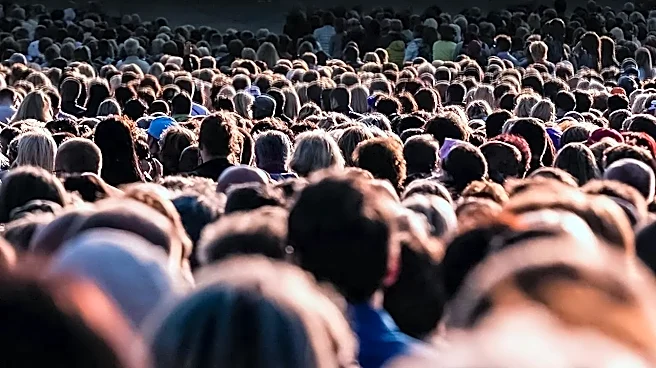
On the other side of the aisle, there's a growing restlessness. Murmurings from audience members and online chatter reveal a different perspective: that some of these films are simply boring. This isn't necessarily a rejection of art, but a reflection of a different set of expectations. For viewers accustomed to more plot-driven narratives, a long, quiet shot of a character staring out a window can feel less like a moment of profound introspection and more like a waste of time. This sentiment isn’t about a lack of intelligence or appreciation, but a preference for momentum. In a world saturated with content, the demand for a story to 'get to the point' is stronger than ever. The frustration comes when a film feels like it’s 'making you work far too hard' for a payoff that feels unjustified.
The TikTok-ification of Film Language
The elephant in the room is the influence of social media on our media consumption habits. The average shot length in English-language films has plummeted from 12 seconds in 1930 to as low as 2.5 seconds today. Younger audiences have been conditioned by the hyper-fast editing of platforms like TikTok, where a story is told in seconds through rapid cuts, quick zooms, and constant stimulation. This isn't a criticism, but an observation of a new visual literacy. An entire generation has learned to process information and emotion through this accelerated language. As a result, the patient, static shots of 'slow cinema' can feel alien and disengaging, not because the viewers have short attention spans, but because they are fluent in a different cinematic dialect. Studios have even started adopting this quick-cut style in their own marketing, acknowledging its power to create a mood and spark curiosity.
Is One Style Better Than the Other?
Ultimately, the debate over pacing isn't a battle between 'good' and 'bad' cinema. It's a reflection of a diversifying media landscape. There's a growing recognition, even among younger cinephiles, that 'slow cinema' offers a valuable alternative to mainstream blockbusters—a chance to disconnect from overstimulation. The appeal lies in its ability to offer a deeper, more reflective experience. The conversation at the BFI London Film Festival highlights that both approaches can coexist. Some films demand speed and energy, while others require stillness and patience. The split in audience reaction is less a sign of a problem and more a symptom of a transition. Filmmakers and audiences alike are navigating a world where the rules of engagement are being rewritten in real time, influenced by everything from cinematic history to the algorithm on your phone.