



First, What Exactly Is a Jetted Pocket?
Unlike a patch pocket, which is a pouch of fabric sewn onto the outside of a garment, a jetted pocket is built into the clothing itself. It appears as a clean, narrow slit in the fabric, with the pocket bag hidden internally. This slit is reinforced with thin strips
of fabric, sometimes called 'welts' or 'besoms', which give it a crisp, finished edge. This construction creates an exceptionally clean and streamlined silhouette because it doesn't interrupt the lines of the jacket or trousers. Its minimalist appearance is why it's considered the most formal pocket style.
The Classic Home: Tuxedos and Formalwear
The jetted pocket's natural habitat is formalwear. It is the standard and often only acceptable hip pocket style for a tuxedo or dinner jacket. The sleek, unobtrusive design is essential for black-tie attire, where maintaining a sharp, unbroken silhouette is paramount. On a tuxedo, the jetted pocket's narrow trim is frequently made from the same satin or grosgrain as the jacket's lapels, creating a sophisticated, cohesive look. Its presence signals a garment designed for elegance and special occasions, where simplicity translates to the highest form of refinement.
Beyond Black Tie: Blazers and Business Suits
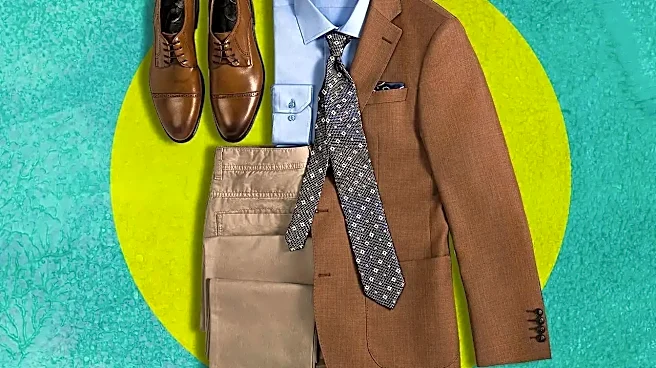
While it reigns supreme in formal settings, the jetted pocket is not exclusively for tuxedos. You will also find it on high-end business suits and blazers, where it lends an air of sharp, continental style. A suit with jetted pockets is inherently dressier than one with flap or patch pockets. A flap pocket is essentially a jetted pocket with a flap sewn over the top; in fact, tucking the flaps into the pockets of a standard business suit can mimic the clean look of jetted pockets. When used on a business suit, jetted pockets create a powerful, polished look perfect for the boardroom.
A Sign of Craftsmanship: What to Look For
Spotting a jetted pocket is one thing; judging its quality is another. A well-made jetted pocket is a sign of a skilled tailor. The opening should be perfectly straight and the welts should be of a consistent, even width from end to end. The corners of the pocket opening should be sharp and clean, with no puckering or pulling of the surrounding fabric. When a flap is present and tucked in, it should disappear completely, creating the seamless look of a true jetted pocket. Any sloppiness, like uneven welts or messy corners, can indicate lower-quality construction.
The Modern Twist: Trousers, Vests, and Overcoats
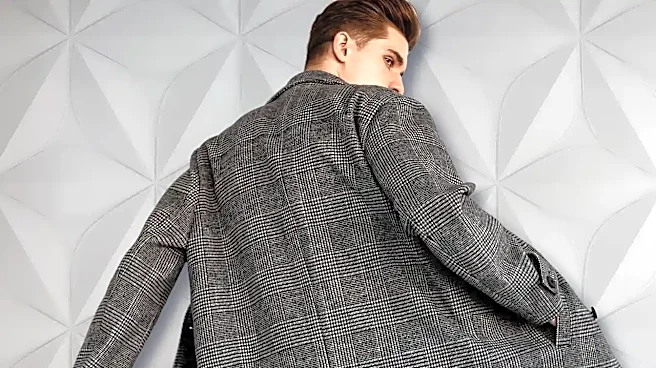
Designers frequently use jetted pockets on more than just jackets. They are the standard for the back pockets of formal trousers and are almost always used on waistcoats (vests) to maintain a smooth fit under a jacket. You'll also see them adding a touch of tailored elegance to high-end overcoats, where their clean lines complement the long silhouette of the coat. Some designers even place them on unexpected garments, like minimalist bomber jackets or tailored skirts, using this traditional detail to elevate a more modern piece. It’s a versatile feature that signals quality wherever it appears.