

The All-You-Can-Stream Buffet Problem
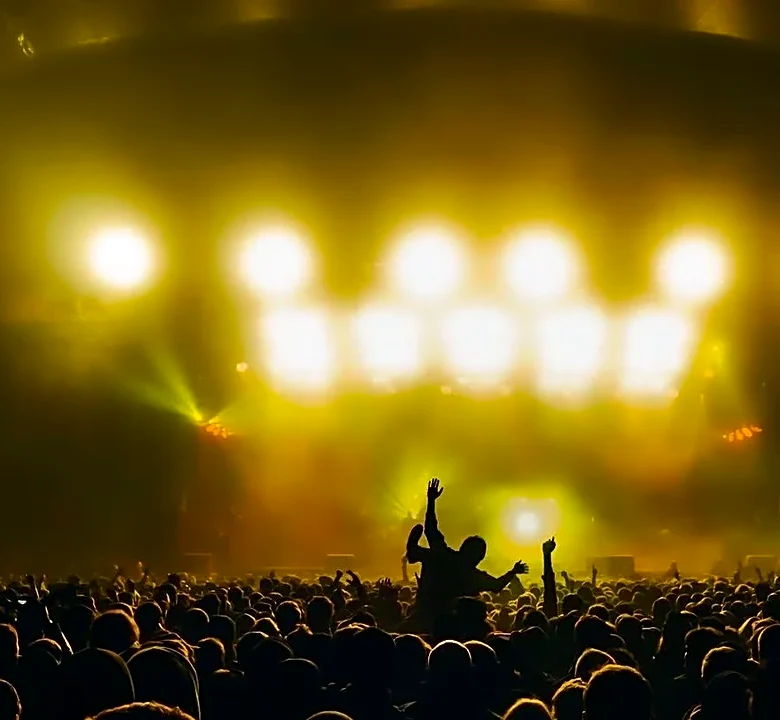
The iHeartRadio Music Festival is a multi-genre spectacle, a live version of a playlist hopping from pop to country to hip-hop. The audience isn't just one artist's dedicated fan base; it's a mix of everyone's. This means artists can't get too indulgent
with obscure deep cuts. The primary goal is to keep a diverse crowd engaged, and that means leaning on the songs everyone knows from the radio, their workout playlists, and viral TikToks. An artist’s set is less like their own headlining show and more like a high-energy highlight reel. It’s about broad appeal and instant recognition, creating a shared experience for tens of thousands of people who might only know two of their songs.
The Tyranny of the Clock
The single biggest factor in shaping a festival setlist is the clock. Unlike a two-hour solo concert, festival slots are ruthlessly short, sometimes as brief as 20 to 30 minutes for an opening act or running up to an hour for a headliner. This forces some painful decisions. There’s no time for long, rambling stories between songs or extended experimental jams. Artists have to be efficient. This is why medleys are so popular at festivals. Instead of playing five full-length hits, an artist might weave verses and choruses from several fan favorites together, delivering the dopamine rush of recognition without eating up precious minutes. It's a strategic way to acknowledge more of their catalog while staying within the strict time limits set by festival organizers.
The 'Must-Play' Anchor Hits
Every artist has them: the non-negotiable, career-defining megahits. These are the songs that would cause a riot if they were skipped. Think of them as the anchors of the setlist. For a band with a decades-long career, this might mean prioritizing their most iconic anthems that have become cultural touchstones. For a newer pop star, it’s the one or two massive singles that launched them into the stratosphere. Artists and their teams often use streaming data to identify these fan-favorite powerhouses, ensuring the songs with the highest play counts make the final cut. These tracks are the foundation, and the rest of the set is built around them.
Testing the New Stuff
Festivals are a massive platform, so it’s a tempting place to introduce new music. However, it's a delicate balancing act. Playing an unfamiliar song risks killing the high-energy momentum built by a string of hits. The common strategy is the “hit sandwich”: play a certified banger, slide the new song in the middle, and then immediately follow it with another undeniable smash hit. This way, the audience is still riding the wave from the first hit and is immediately re-engaged by the next one. It’s a calculated risk. A new track that lands well can become a future hit, but one that falls flat can create an energy lull that’s hard to recover from in a short set.
Crafting the Emotional Arc
A great setlist isn't just a list; it's a story with a beginning, middle, and end. Most artists follow a classic arc structure. They'll open with something high-energy to grab the crowd's attention immediately. The middle of the set is often where they might place a new track or a slightly slower-tempo song, allowing the audience (and the artist) a moment to breathe. Then, they build the energy back up to a massive finale, almost always closing with their biggest, most anthemic song to leave a lasting impression. This intentional pacing ensures the performance feels like a cohesive journey, not just a random shuffle of tracks. It’s about controlling the room's energy from the first note to the final bow.