





It's Not About the Label, It's About the Message
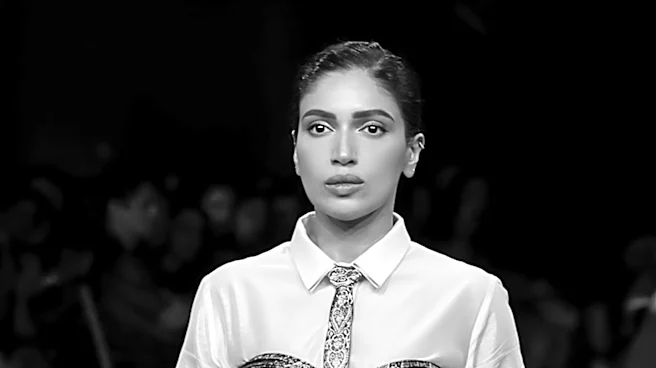
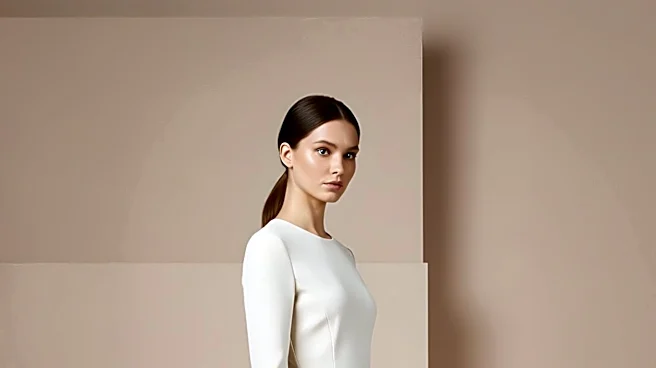
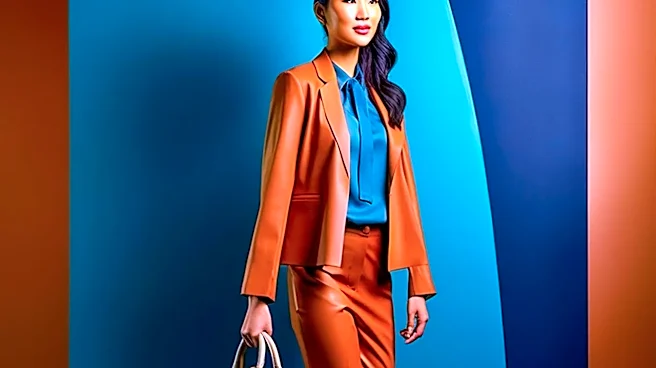
Let’s get one thing straight: "designer-inspired" does not mean buying knockoffs or chasing logos. It means choosing an outfit with the same intention and polish that a designer puts into a collection. It’s about signaling care, attention to detail, and an understanding
of the environment you’re entering. A well-tailored blazer, a thoughtfully chosen color palette, or a silhouette that is both modern and professional communicates that you are deliberate and strategic. This isn't about cost; it’s about curation. You are curating the first impression of your personal brand, telling your new colleagues that you are organized, respectful of the opportunity, and ready to contribute from the moment you walk through the door.
Your Brain on Good Clothes
The impact of your outfit starts before anyone else even sees it. The concept is called "enclothed cognition," a term coined by researchers Hajo Adam and Adam Galinsky to describe the systematic influence clothes have on the wearer's own psychological processes. Their studies found that what you wear can directly affect your cognitive performance and confidence. When you wear an outfit that you associate with competence and authority—like a sharp blazer or a well-structured dress—you are more likely to embody those traits. That feeling of being "put together" isn't just a feeling; it's a cognitive boost that can sharpen your focus and calm your nerves, acting as a subtle armor against the inevitable first-day jitters.
Speaking Volumes Without Saying a Word
In a new workplace, you are a blank canvas, and your outfit is the first brushstroke. People make rapid judgments based on appearance, often subconsciously. Your clothing choice is your first chance to communicate cultural fit. It shows you've done your homework. A creative agency may welcome stylish sneakers and bold patterns, while a law firm might expect more traditional tailoring. Dressing appropriately doesn't mean sacrificing personality; it means showing you understand the context and are ready to be part of the team. It's a non-verbal way of saying, "I get it, and I belong here." This initial alignment can smooth your integration into the social fabric of the office, making it easier to build rapport and establish credibility.
The Blind Spot of the Fashion Press
So why does the fashion press often miss this nuance? Mainstream fashion coverage tends to frame workwear through the lens of seasonal trends—the "office siren" aesthetic, the return of the power suit, or the rise of "corpcore." These trends are fun and interesting, but they focus on the what, not the why. They treat the office as just another backdrop for fashion, romanticizing cubicle life with styles that may not even be workplace-appropriate. What they often overlook is the strategic, psychological weight of a first-day outfit, which is less about being on-trend and more about establishing a personal brand narrative. An outfit that makes you memorable and respected is far more powerful than one that simply checks a seasonal box.