




From the Great Lakes to the Mainstream
Saunas aren't new to America. Finnish immigrants brought their most essential tradition with them in the 19th and 20th centuries, especially to the Upper Midwest. In Finnish-American enclaves in Minnesota and Michigan's Upper Peninsula, the sauna was
often the first structure built on a farm—used for bathing, healing, and even childbirth. For generations, it was a cornerstone of community life for these families, a cultural touchstone that remained largely within those communities. It was a practical, deeply respected part of life, far from the luxury item it’s often seen as today. These early saunas established a quiet but persistent foundation for the heat-based wellness that would eventually capture the nation's attention.
The Modern Wellness Boom
So, what changed? In a word: everything. The recent surge in sauna popularity is directly tied to a broader American obsession with wellness and self-optimization. In a post-pandemic world, people are actively seeking ways to manage stress, improve sleep, and boost their mental health. The sauna, and specifically the Finnish ritual of cycling between hot and cold, offers a powerful, non-pharmaceutical solution. This practice, known as contrast therapy, is backed by science showing benefits for circulation, inflammation reduction, and cardiovascular health. When influential figures in the health and wellness space began championing these benefits, the sauna transformed from a niche cultural practice into a must-have tool for modern living.
It's the Ritual, Not Just the Heat
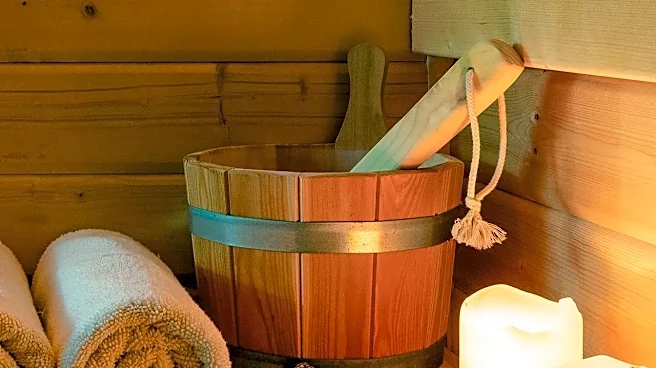
Herein lies the 'real reason' for the boom: Americans aren't just buying hot boxes; they're embracing a ritual. The authentic Finnish sauna experience is nothing like the quick, sterile ten minutes at a gym. It’s built around löyly—the steam that rises when water is ladled over hot stones. This isn't just about humidity; Finns consider löyly the 'spirit' of the sauna. The ritual involves cycles: heating up in the sauna, followed by a deliberate cool-down, traditionally a plunge into a cold lake or a roll in the snow, now often a modern cold plunge pool. This intentional process forces you to slow down, focus on your body, and disconnect from digital noise. In an age of constant distraction, this forced mindfulness is a powerful antidote.
The New Social Club
Perhaps most importantly, the Finnish sauna ritual is inherently social. Historically, it was a place for community bonding. Today, that aspect is experiencing a major revival. New social saunas, urban bathhouses, and mobile sauna companies are popping up across the country, billing themselves as the 'new pub' or a healthy alternative to bars. In the sauna, social hierarchies and digital distractions disappear. It creates a rare space for genuine, face-to-face connection. In an era marked by a loneliness epidemic, the sauna has become more than a wellness tool—it's a hub for community. People are craving real-world interaction, and the shared, vulnerable experience of a sauna provides it in a way that few other modern spaces can.