




A Scene in Need of a Remix
By the mid-2010s, the landscape of mainstream hip-hop, while commercially thriving, often felt narrow in its focus. The pioneering women who had built dynasties, innovated styles, and broken commercial barriers in the 80s and 90s were frequently treated
as legacy footnotes rather than the foundational pillars they were. While artists like Nicki Minaj carried the torch for female superstardom, the broader conversation often marginalized the genre's rich matriarchal history. The return of VH1's awards show after a long hiatus provided an opportunity not just for nostalgia, but for a powerful restatement of who belongs at the center of the hip-hop story.
All Hail the Queens
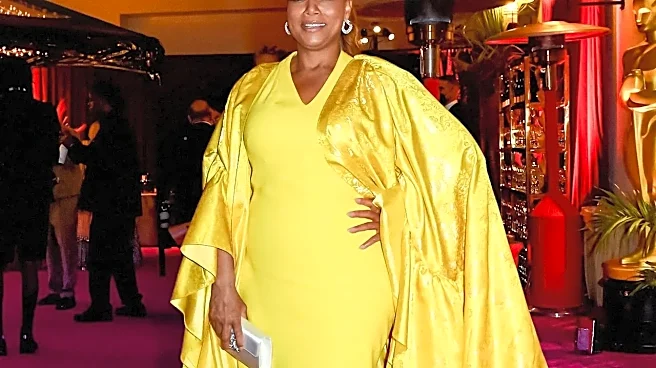
The 2016 Hip Hop Honors was a clear and powerful statement from the very start. The entire event was dedicated to celebrating the women who had infiltrated a male-dominated genre and permanently altered its DNA. The honorees were a Mount Rushmore of female rap royalty: Queen Latifah, Missy Elliott, Salt-N-Pepa, and Lil' Kim. Held at Lincoln Center in New York City and broadcast live, the show was executive produced by Queen Latifah herself, ensuring the perspective was authentic and the tribute was fitting. Even First Lady Michelle Obama made a taped appearance to honor the women's influence. This wasn't just another awards show; it was a coronation.
More Than a Tribute, a Takeover
What made the night a true “pivot” was its execution. The show was a vibrant, multi-generational celebration, not a dry history lesson. Newer and contemporary artists took the stage to pay homage, viscerally demonstrating the honorees' influence. Remy Ma, Eve, and Nelly Furtado performed a high-energy medley of Missy Elliott's hits, while Fantasia and Monica celebrated her classic R&B productions. Teyana Taylor and Lil Mama embodied Lil' Kim's iconic energy, and Ashanti and Keke Palmer paid tribute to Salt-N-Pepa. The message was clear: this wasn't old-school music, it was timeless, foundational art. The event culminated in a powerful performance of Queen Latifah's anthem "U.N.I.T.Y.," where she was joined on stage by a massive assembly of female MCs, including MC Lyte, Da Brat, Rah Digga, and The Lady of Rage—a stunning visual of sisterhood and strength.
The Ripple Effect
So, did the pivot work? In many ways, yes. The show was a ratings success, drawing over 3 million viewers and reminding the industry of the commercial and cultural power of women in hip-hop. It centered the narrative of sisterhood and respect, with artists like Missy Elliott publicly crediting Salt-N-Pepa for inspiring her to rap in the first place. By placing figures like Lil' Kim, a fashion and lyrical provocateur, and Queen Latifah, a multifaceted mogul, on the same pedestal, the show celebrated the diversity of female expression within the genre. It created a touchstone moment, a reference point for the wave of diverse female rappers who would gain prominence in the following years. The 2016 Honors served as a potent reminder that the story of hip-hop is incomplete and inaccurate without its queens holding their rightful place in the center of the frame.