




1. Look for 'Filmed for IMAX'
Not all IMAX experiences are created equal. The gold standard is a movie advertised as “Filmed for IMAX” or “Shot with IMAX film cameras.” This means the director used actual IMAX cameras for key sequences or, in rare cases, the entire movie. A recent
example is Christopher Nolan's epic 'The Odyssey,' which was shot entirely with IMAX film cameras. These films are specifically designed for the massive, squarer 1.43:1 aspect ratio of a true IMAX screen, delivering up to 26% more picture than any other format. You'll see the entire frame without black bars, filling your peripheral vision. Many other blockbusters are simply digitally remastered (DMR) for IMAX. They’re still optimized for the powerful sound system and large screen, but they weren't shot with the special cameras and won't have the expanded aspect ratio. Check the movie's official website or IMAX's own promotional materials to see if it carries the coveted “Filmed for IMAX” badge.
2. Check the Aspect Ratio
This ties directly into the IMAX clue but is a crucial point on its own. The changing aspect ratio—where the black bars at the top and bottom of the screen disappear during key scenes—is a signature of films shot with IMAX cameras. It means you're getting more vertical information on screen, making action sequences and grand vistas feel significantly more immersive. If a film's marketing heavily promotes its expanded aspect ratio, it’s a strong signal that the IMAX ticket is worth the price. You can often find a film's technical specifications on IMDb by searching for the title plus "tech specs." This will tell you the movie's intended aspect ratio. If you see 1.43:1 or mentions of a shifting ratio, you're looking at a genuine large-format presentation designed to impress.
3. Listen for Dolby Atmos
When you're considering Dolby Cinema, the key is sound. Dolby Cinema's visual advantage is Dolby Vision, which offers incredible contrast, with brighter brights and true, deep blacks. But its real game-changer is Dolby Atmos audio. Unlike traditional 5.1 or 7.1 surround sound, which assigns audio to channels, Atmos treats sounds as individual objects that can be placed anywhere in a 3D space, including overhead. This creates a dome of sound that is incredibly immersive. If a helicopter flies overhead on screen, you'll hear it above you. For films with complex sound design—think sci-fi, action, or horror—Atmos can elevate the experience dramatically. Theaters will clearly brand screenings in Dolby Cinema, which guarantees an Atmos mix. For other premium formats, you can check a film's technical details or reviews to see if an Atmos mix was created.
4. Was 3D an Afterthought?
The quality of a 3D movie experience often comes down to one thing: was it filmed in native 3D or converted from 2D in post-production? Native 3D, shot with stereoscopic cameras, is often the preferred method for filmmakers like James Cameron who build the 3D experience from the ground up. However, a high-quality conversion where the director is heavily involved can also produce stunning results. The problem is a rushed or cheap conversion, which can result in a dim picture, awkward depth, and a generally underwhelming experience. Animated films are often a safe bet for 3D because they are rendered in a digital environment, giving animators complete control over the depth and creating a consistently excellent 3D world. For live-action films, look for director interviews or early buzz from critics. If the director talks excitedly about using 3D to tell the story, it’s a good sign. If it feels like a last-minute addition to boost ticket sales, you might be better off saving your money.
5. Follow the Director’s Lead
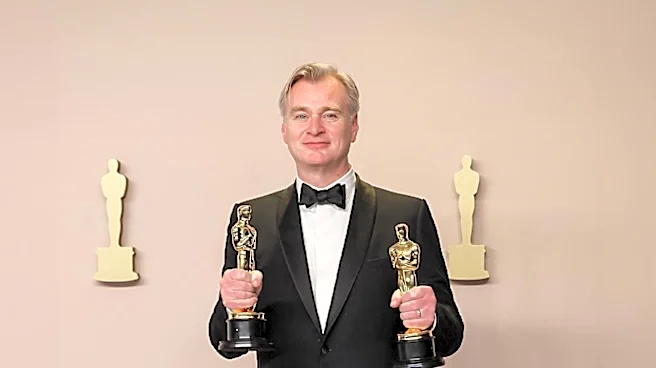
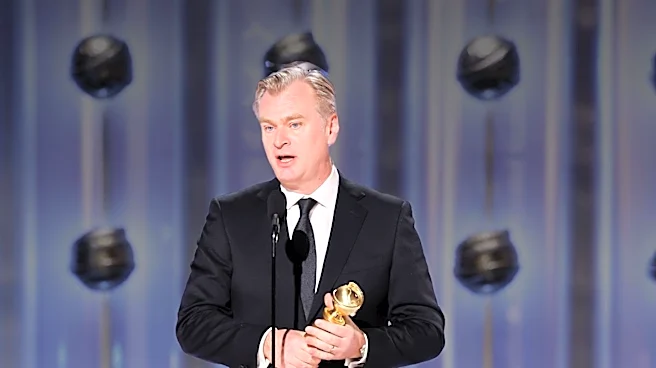
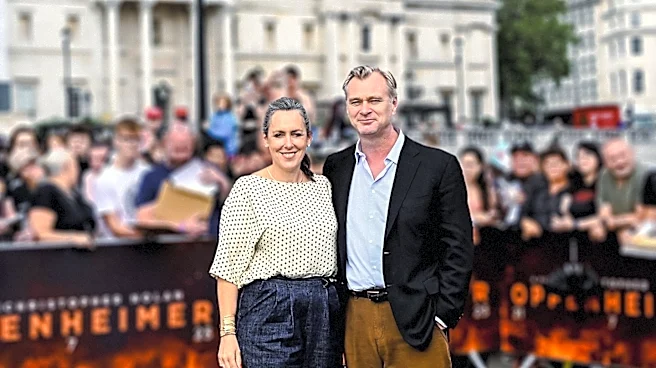
Often, the best clue is the filmmaker's own passion. Directors like Christopher Nolan (IMAX), James Cameron (3D), and Denis Villeneuve (IMAX) are vocal advocates for specific formats. They don't just use the technology; they design their films around it. When a director has a proven track record of using a format to its full potential, you can trust that it's their intended vision. For example, Denis Villeneuve has stated that the 'Dune' films are made to be seen in IMAX. Reading early reviews from reputable film and tech journalists can also provide insight. They often comment specifically on whether a movie's presentation in a premium format justifies the cost. If they rave about the Dolby Cinema presentation or the groundbreaking IMAX sequences, it’s a strong indicator that you should follow their lead.