

An Idea Born from Discomfort
The great American drive-in was born not from a love of cars, but from a need for comfort. In the early 1930s, a chemical company sales manager named Richard Hollingshead Jr. wanted to find a way for his mother, who found conventional theater seats uncomfortable,
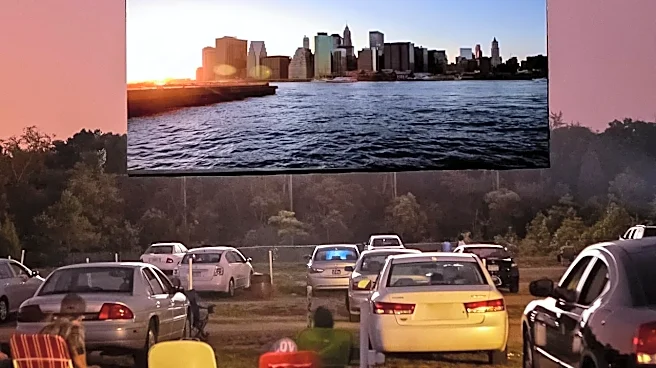
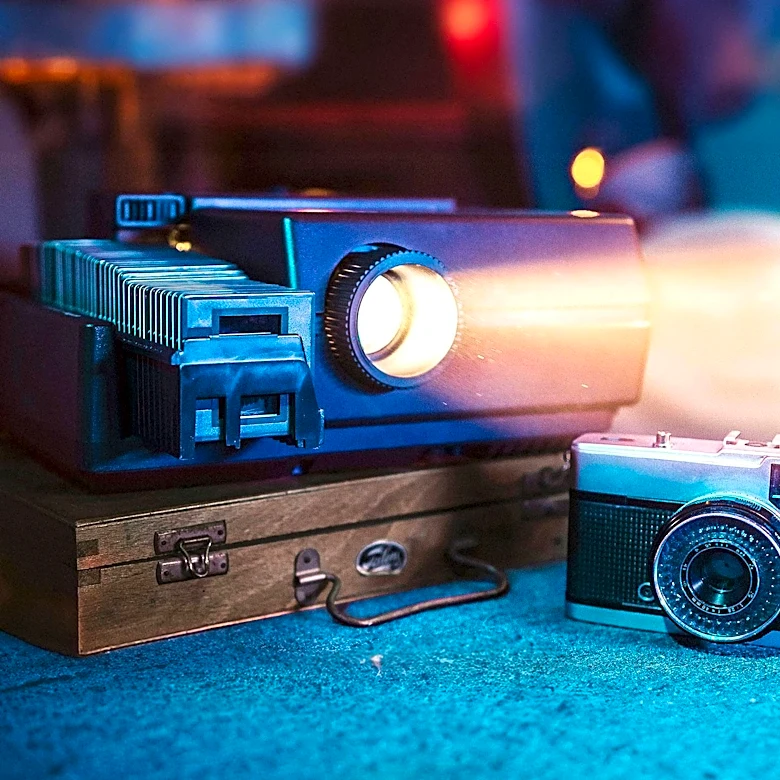
to enjoy the movies. He experimented in his own driveway in Camden, New Jersey, mounting a 1928 Kodak projector on the hood of his car and hanging sheets between two trees. After working out the logistics of sightlines by parking cars on ramps to prevent blocked views, he patented his idea. On June 6, 1933, the first official drive-in theater opened with the slogan, “The whole family is welcome, regardless of how noisy the children are.” It ingeniously combined America’s two growing obsessions: the automobile and the movies.
The Golden Age of Open-Air Cinema
While the idea was clever, drive-ins didn't explode in popularity overnight. After World War II, however, the concept found its moment. The post-war economic boom, the rise of suburban living, and the baby boom created the perfect audience. By the late 1950s, at the industry's peak, there were more than 4,000 drive-ins across the United States, mostly in rural and suburban areas where land was cheap and plentiful. They became community hubs, offering more than just a movie. Many featured playgrounds, mini-golf courses, and elaborate concession stands. For families, it was an affordable night out where kids could fall asleep in the back seat. For teenagers, the privacy of the car offered a new kind of freedom, cementing the drive-in's reputation as a go-to date spot and earning it the nickname "passion pit."
The Slow Fade to Black
The golden age couldn't last forever. Beginning in the 1970s, a perfect storm of economic and cultural shifts led to the drive-in's decline. As suburbs expanded, the large plots of land that drive-ins occupied became incredibly valuable to real estate developers, who could make more money building shopping malls or housing complexes. The 1970s energy crisis made driving more expensive, while the widespread adoption of color television and, later, the VCR, made staying home a more attractive option. To compete, some drive-ins shifted their programming toward B-movies and exploitation films, which eroded their family-friendly image. The screens, once symbols of summer fun, began to go dark across the country.
From Reality to Mythology
Just as the drive-in was disappearing from the American landscape, it became more powerful than ever in our cultural imagination. Movies and television began to use the drive-in as a potent symbol of nostalgia and a bygone era. Films like Grease (1978) and The Outsiders (1983) cemented the drive-in as the backdrop for teenage romance and rebellion. In Twister (1996), the drive-in screen becomes a harbinger of the storm, a classic piece of American iconography facing down a natural force. This is how mythology works: the idea of the drive-in—representing freedom, youth, and a simpler time—became more prominent and romanticized just as the real-world business was fading.
A Nostalgic Revival
Today, only a few hundred drive-in theaters remain in operation in the United States, down from thousands at their peak. Yet, they persist, often run by passionate families and supported by loyal customers. The experience has evolved; many now show double features of classic films and rely on food trucks instead of traditional concession stands. The COVID-19 pandemic provided an unexpected boost, as their open-air, socially-distanced model offered a safe form of public entertainment when indoor theaters were closed. This small-scale resurgence proves that the drive-in's appeal has never truly vanished. It has simply transformed from a mainstream entertainment option into a cherished novelty, a way to physically step into the mythology for a night.