



A Stage Unlike Any Other
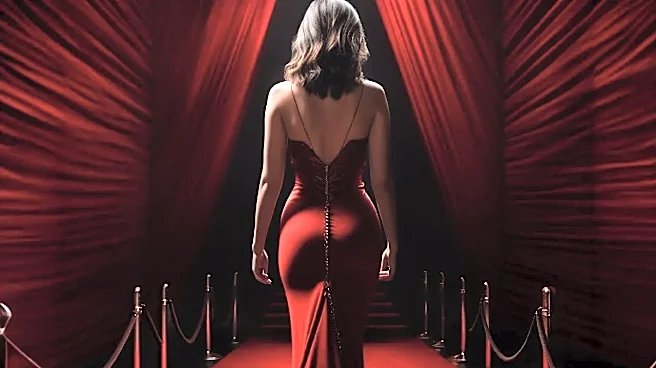
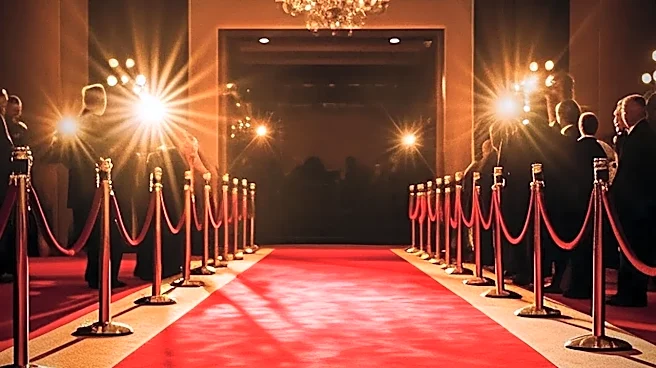
Not all red carpets are created equal. The Venice Film Festival, the world’s oldest, holds a unique position in the pop culture calendar. Kicking off the prestigious fall awards season, it serves as the first major battleground for Oscar-buzzy films.
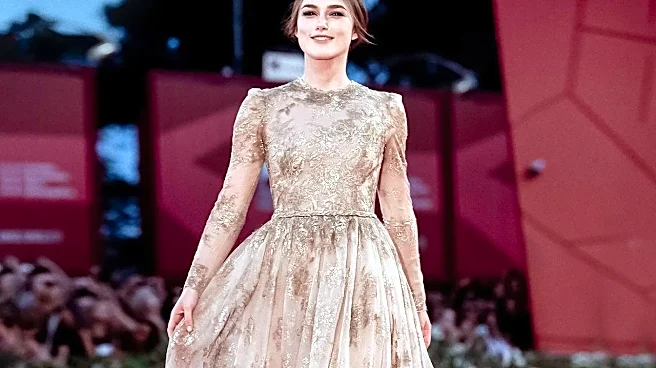
But its glamour is distinct from its peers. While Cannes can be notoriously strict with its dress code and the Oscars intensely judgmental, Venice offers a more relaxed, distinctly Italian elegance. The setting itself—with stars arriving via water taxi against a backdrop of historic canals—lends a cinematic quality before they even step on the red carpet. This combination of high stakes and a “la dolce vita” atmosphere encourages a type of fashion that is both ambitious and artful, creating a perfect environment for memorable style risks that are destined for discussion.
The Digital Afterlife Machine
In the past, a great red carpet dress might be remembered in a year-end magazine special. Today, its legacy begins the moment it’s photographed. Social media platforms like Instagram, TikTok, and Pinterest have become a digital extension of the red carpet, creating an ecosystem where a single look can live forever. Within minutes of a celebrity's appearance, images are screenshotted, reposted, and debated globally. Soon after, they’re sorted into listicles, recut into fan edits, and resurface as “throwback” posts for years. This constant recirculation turns a fleeting moment into a durable cultural artifact. A dress no longer needs months to become iconic; it can happen overnight, its status cemented by a viral wave of shares and saves. This digital machine ensures that the conversation around Venice fashion doesn’t end—it simply evolves, reaching new audiences long after the festival has wrapped.
It's About the Story, Not Just the Dress
The looks that truly endure are the ones that tell a story. When Zendaya wore a custom Balmain gown for the 'Dune' premiere in 2021, it wasn't just a beautiful dress; it was a piece of performance art. The nude leather, sculpted using a cast of her torso, was designed to evoke a “wet look,” as if she had emerged from the waters of Venice or the sands of Arrakis. Similarly, Timothée Chalamet's collaborations with designer Haider Ackermann, like his backless red halter top in 2022 or his cinched silver suit in 2019, consistently challenge the boundaries of modern menswear. These aren’t just outfits; they are carefully crafted narratives. The actor, the stylist, and the designer are collaborating to create a “moment” that ties into the film, the actor’s public persona, or a broader cultural statement. This turns fashion from a passive aesthetic choice into an active storytelling tool, giving fans something deeper to analyze and appreciate.
Crafting Cultural Memory
Ultimately, fans keep ranking and remembering these looks because they become part of our shared cultural memory. An unforgettable fashion moment has the power to transcend its original context. People may remember Halle Berry’s historic Oscar win through the lens of her Elie Saab gown, or Jennifer Lopez’s green Versace dress as the outfit that literally led to the creation of Google Images. The Venice Film Festival has become a particularly fertile ground for creating these moments. The looks don’t just serve the film; they cement a celebrity's status, launch a designer into the stratosphere, and dictate trends for seasons to come. They become reference points, a visual shorthand for a particular era of pop culture. That power is why we can’t stop looking, and why, long after the last award is handed out, we’re still scrolling, ranking, and debating.