






More Than Just Steps
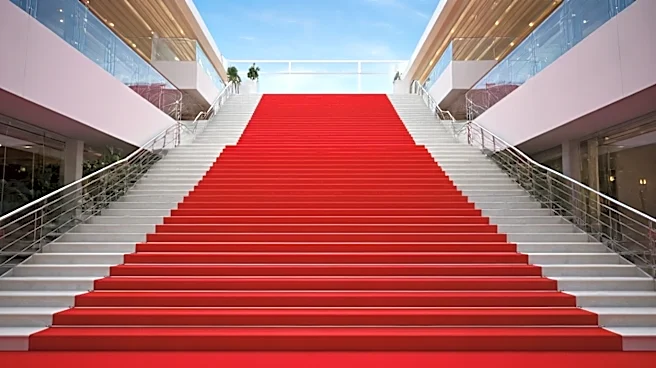
On paper, it’s a simple structure: a two-dozen-step staircase leading into a French convention center. But for two weeks every May, those 24 steps—draped in 200 feet of vibrant red carpet changed three times a day—transform into the most scrutinized piece of architecture in pop culture. Unlike the flat, sprawling red carpets of the Oscars or the Met Gala, the Cannes stairs force a slow, deliberate, and vertical ascent. This isn't a walkway; it's a climb. Every year since the current Palais des Festivals opened in 1983, this upward journey has been meticulously engineered for maximum photographic impact. The angle is just steep enough to create a sense of drama, forcing anyone who walks it into a performance. It’s a stage where every posture,
every glance, and every stumble is magnified and broadcast to the world.
A Stage for Status and Power
The stairs are a powerful symbol of the film industry’s rigid hierarchy. Only those with an official invitation—for a screening, as part of a film’s entourage, or as a high-wattage guest—can make the climb. At the bottom, a chaotic scrum of photographers, known as the ‘pool,’ shouts and jostles for the perfect shot. Their placement and access are strictly controlled. The slow ascent allows for a clear pecking order to emerge. An A-list star can pause, turn, and command the attention of the entire world's media. A lesser-known actor might hurry past, a fleeting figure in the background. The unwritten rules are legion. Until recently, selfies were famously forbidden to maintain the glamour and keep the procession moving. The notorious, though unofficial, high-heels-only dress code for women became a source of major controversy, highlighting the stairs as a battleground for tradition versus modernity.
The Theater of Iconic Moments
This architectural stage has been the backdrop for some of modern cinema’s most indelible images. In 1991, Madonna ascended in a Jean Paul Gaultier cone-bra corset, a moment that fused high fashion with provocative pop stardom. In 2016, Julia Roberts kicked off her heels and walked up barefoot, a quiet but powerful protest against the rigid dress code. A year later, Kristen Stewart did the same. These weren't just fashion statements; they were acts of defiance using the staircase as a platform. The stairs have also hosted collective joy and protest. In 2008, the entire cast of the Palme d'Or-winning film *The Class* danced their way up in a display of unpretentious celebration. In 2018, 82 women in the film industry, led by Cate Blanchett, stood silently on the steps to protest gender inequality—the number 82 representing the number of female directors who had been in competition at Cannes in its history, compared to over 1,600 men.
An Architectural Pop Icon
Ultimately, the Cannes stairs function as pop culture architecture because they do more than provide shelter or a path; they create meaning. They are a filter. The climb separates the insiders from the outsiders, the legends from the hopefuls, the timeless from the temporary. For an actor, a successful ascent solidifies their place in the pantheon. For a designer, having a gown worn on those steps can change a brand's fortunes overnight. The structure itself forces a narrative of triumph. You don't just *walk* the Cannes red carpet; you conquer it. Every photo taken there is imbued with the history of every star who came before, making each new moment part of an ongoing story of glamour, art, and ambition.