







A Symphony of Style and Sin
From its explosive opening to its final, quiet moments, Casino is a visual feast. Scorsese and cinematographer Robert Richardson immerse the audience in the glittering, corrupt world of 1970s Las Vegas. The camera glides through the Tangiers casino floor
with long, intricate tracking shots, capturing the chaotic energy and sensory overload of the setting. This isn't just for show; it reflects the turbulent lives of the characters who inhabit this world built on money, power, and illusion. Every frame is meticulously crafted, from the dynamic camerawork to the authentic period details that ground the story in a specific time and place of audacious excess. Costume designers Rita Ryack and John A. Dunn were given a reported $1 million budget to outfit a cast of thousands, ensuring every character, from the main players to the background extras, looked the part in an era defined by gaudy, synthetic fabrics and bold silhouettes.
The Tell-Tale Suits of Ace Rothstein
The hidden detail that tracks the entire rise and fall of protagonist Sam "Ace" Rothstein (Robert De Niro) is the color of his suits. Over the course of the film, Ace wears more than 70 different custom-made outfits, with 52 distinct suits. This extravagant wardrobe isn't just about showing off his wealth; it's a barometer of his power, control, and psychological state. According to the costume designers, the move to the desert landscape of Las Vegas liberated mobsters from the dark, heavy suits they wore in Chicago or Kansas City, allowing them to embrace a palette of desert-inspired pastels and vibrant hues. Ace’s closet becomes a narrative device. When he is confident, in control, and at the peak of his power running the Tangiers, his suits are bold, flamboyant, and radiate authority. But as his world begins to unravel, the colors begin to tell a different story.
From Peacock Power to Pathetic Pink
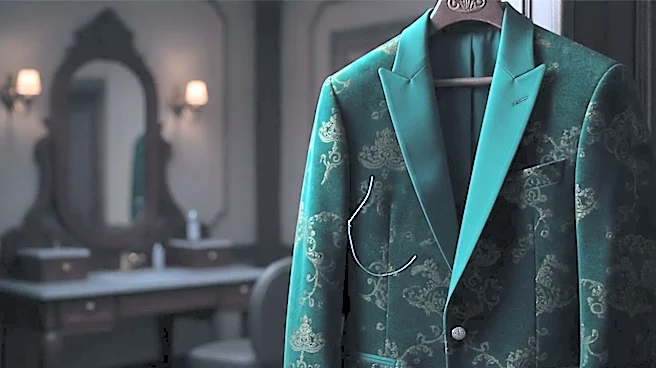
In the beginning, when Ace is the undisputed king of his domain, he dons powerful colors. He wears a stunning peacock-blue silk suit when he surgically identifies and punishes a pair of cheaters, asserting his dominance. His wardrobe is filled with confident greens, yellows, and other brilliant shades that announce his status. However, as he loses his grip—on his wife Ginger (Sharon Stone), his casino license, and his friend-turned-foe Nicky Santoro (Joe Pesci)—the colors of his suits change dramatically. The vibrant tones fade, replaced by softer, weaker, and sometimes sickly pastels. In the film's climax, as his marriage disintegrates in a furious argument, he wears a hot salmon or coral-pink sport coat, a color that seems to highlight his desperation and loss of control. This sartorial journey from commanding jewel tones to washed-out pastels visually maps his descent from a powerful casino boss to a marked man.
A Wardrobe of Moral Decay
This storytelling technique isn't limited to Ace. Sharon Stone’s character, Ginger McKenna, undergoes a similar transformation. She is introduced in a stunning, 45-pound beaded white and gold gown, looking like a Vegas goddess. Her early wardrobe is a cascade of glittering gold, pure whites, and expensive furs, symbolizing the prize she is meant to be. As her life spirals into addiction and despair, her glamorous gowns are replaced by disheveled, darker, and more chaotic outfits, culminating in her lonely death in a simple pajama set. This use of costume to track a character's moral and psychological decay is a hallmark of Scorsese's detailed filmmaking. The vibrant, optimistic colors worn by the characters at the height of their ambition slowly sour and darken, mirroring the rot that grows within their empire and their souls. It’s a subtle, almost subconscious guide for the audience, signaling the inevitable fall long before it happens.