


The Nostalgia Cycle Is Spinning Faster
At the heart of the disagreement is the classic 20-year trend cycle. Fashion historians note that styles tend to resurface every two decades, which is just enough time for a trend to feel fresh to a new generation of teens and young adults. What was popular
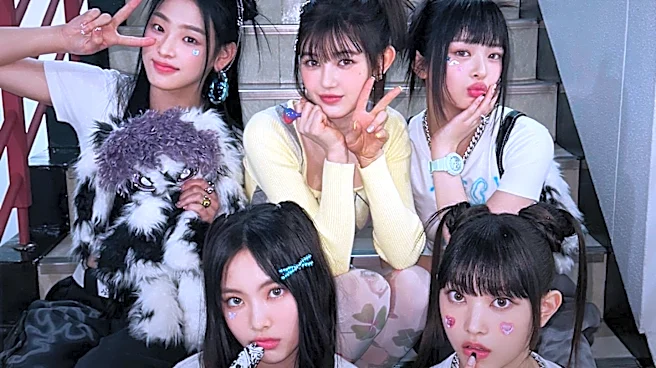
when Millennials were in high school (think low-rise jeans and trucker hats) is now being discovered by Gen Z. For Gen Z, Y2K fashion is a novel playground; for Millennials, it can feel like a slightly uncomfortable high school reunion. This cycle is driven by a powerful psychological pull: nostalgia. As a generation enters adulthood and gains purchasing power, they often feel a comforting pull toward the aesthetics of their youth, while designers tap into those feelings to market reinvented classics.
The TikTok Trend Machine
The 20-year rule has been supercharged by social media. Platforms like TikTok have accelerated fashion cycles from seasons to weeks, creating an endless churn of "micro-trends" and aesthetic "cores" like "cottagecore" or "mob wife." These trends are born, go viral, and die in a fraction of the time it once took for a style to trickle down from the runway to the mall. This creates a huge perception gap. A Gen Z user, whose algorithm feeds them daily style shifts, might see a dozen “new” trends in a month. Meanwhile, someone not on the platform may never even see these styles in the wild, as many remain “chronically online,” visible on screens but not sidewalks.
The Hunt for Authenticity
The very definition of “new” has changed. For many younger consumers, “new” doesn’t have to mean brand-new. Driven by a desire for uniqueness and sustainability, Gen Z has embraced thrifting, upcycling, and vintage shopping as a primary way to build a wardrobe. Finding a one-of-a-kind piece at a second-hand store provides a thrill of discovery that mass-market fashion can’t replicate. This mindset contrasts with older generations, who may have been culturally conditioned to associate “newness” with items fresh off the rack. While Millennials may focus on investment pieces and Gen X on quality and timeless apparel, Gen Z’s approach is more fluid, blending second-hand finds with fast fashion in a way that prioritizes personal expression over brand loyalty.
A Shift in Values and Silhouettes
The clothes themselves tell a story about differing generational values. Millennial fashion, with its skinny jeans and tailored fits, was often about aspiration—dressing for the job you want and looking polished and put-together. In contrast, Gen Z’s preference for baggy, oversized, and comfortable silhouettes can be seen as a rejection of that pressure. Their style often prioritizes an authentic, unbothered ease over presenting a perfect, constructed image. It’s less about dressing to impress a boss and more about dressing for yourself. This fundamental difference in how each generation relates to their clothing—as either a tool for advancement or a form of pure self-expression—naturally leads to disagreements on what looks and feels current.
Where Does 'New' Go From Here?
Ultimately, the conflict over what feels new stems from a world where trendsetting is no longer centralized. It doesn't come from magazines or runways alone, but from a million different TikTok videos, thrift store racks, and personal algorithms. While Gen X might value the punk-rock authenticity of a leather jacket from their youth and a Millennial might prize a well-made blazer, Gen Z is mixing and matching aesthetics from every decade at once. The disagreement isn’t just about specific items of clothing; it's about the speed of culture, the source of discovery, and the very meaning of personal style in a digitally saturated world. One generation's fashion faux pas is another's Holy Grail find, and in today's landscape, they can both be right.