






Misconception: 'Neutral' Means 'No Makeup'
Let’s get one thing straight: the face you perceive as “natural” is rarely that. The term “neutral makeup” is frequently confused with “natural makeup,” but they are worlds apart. Natural makeup aims for a truly 'barely there' appearance, as if no products
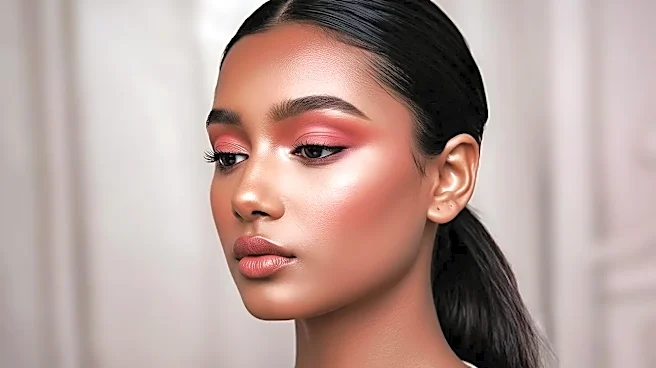
were applied at all. Think a whisper of mascara and maybe a tinted lip balm. Neutral makeup, however, is a full-fledged artistic endeavor that uses earthy and skin-toned shades—beiges, taupes, soft browns, and mauves—to create a polished, cohesive look. It’s not about being makeup-free; it's about using a specific, muted color palette to enhance features without screaming for attention. The goal isn’t to look like you have nothing on, but to look impeccably put-together in a classic, timeless way.
The 'Effortless' Illusion Takes Serious Effort
Perhaps the biggest misreading is assuming a neutral look is quick or lazy. On the contrary, achieving that seamless, 'my-lids-but-better' finish often requires more time and skill than a dramatic, colorful eye. A flawless neutral eye is a masterclass in blending. It involves meticulous skin prep, multiple brushes, and several products layered with precision. You might see a simple wash of beige, but behind it are primers to prevent creasing, a base shade to even out lid color, a slightly darker contour shade to add dimension to the crease, and sometimes a subtle shimmer on the center of the lid to create a brighter, more awake look. Each step requires blending so seamlessly that no harsh lines are visible. A makeup artist might spend more time perfecting a 'neutral glam' look than a bold one, simply because making makeup appear invisible is the hardest trick in the book.
It's Not Just Brown: It's Color Theory
To the casual observer, it’s all just shades of brown. But for the wearer, it's a careful calculation of color theory based on their unique skin undertones. Using the wrong neutral can make you look tired or ashy. Skin with cool undertones (hints of pink or blue) shines with taupes and rosy beiges, while warm-toned skin (with yellow or golden hints) is flattered by warmer browns and peachy nudes. Those with neutral undertones have the flexibility to play with both, but still need to find a balance. The choice of a satin, matte, or shimmer finish also plays a role; matte shades can look flat without expert blending, while a touch of shimmer brightens the eyes. This isn’t about just grabbing any brown eyeshadow; it's a deliberate choice to find the exact shade that creates harmony with the wearer’s complexion.
The Real Message: It's About Polish and Control
So, if a neutral look isn't lazy or simple, what message is it sending? It’s about projecting polish, competence, and control. In many professional settings, a well-executed neutral eye is the gold standard. Research has shown that women wearing moderate makeup are perceived as more confident, credible, and having greater earning potential. A subtle, clean makeup look strikes a balance—enhancing features to appear healthy and alert without distracting from the person themselves. It communicates an understanding of social context and an investment in one’s appearance. It’s a quiet form of confidence, a way of looking put-together that feels intentional rather than accidental. Choosing a neutral look isn't an absence of creativity; it's a very specific, deliberate choice to embrace understated elegance.