


Decoding the Gen X Uniform
Before “quiet luxury” was a trending hashtag, it was just how Generation X got dressed. Coming of age in the shadow of '80s excess, this generation developed a healthy skepticism toward glamour and logos. Their style was a reaction—a turn toward the authentic,
the durable, and the understated. This is the heart of the “utility code”: a preference for items with a purpose. Think military surplus jackets, workwear-grade denim, combat boots, and oversized flannel shirts. It was less about aspiration and more about reality. The aesthetic was born from the grunge scene in Seattle, the minimalist art galleries of New York, and a widespread DIY ethos. The uniform was unisex, often layered, and built on a foundation of quality basics that could withstand trends, concerts, and life in general. It was a quiet rebellion that prized personal style over prescriptive fashion.
The Copenhagen Runway Connection
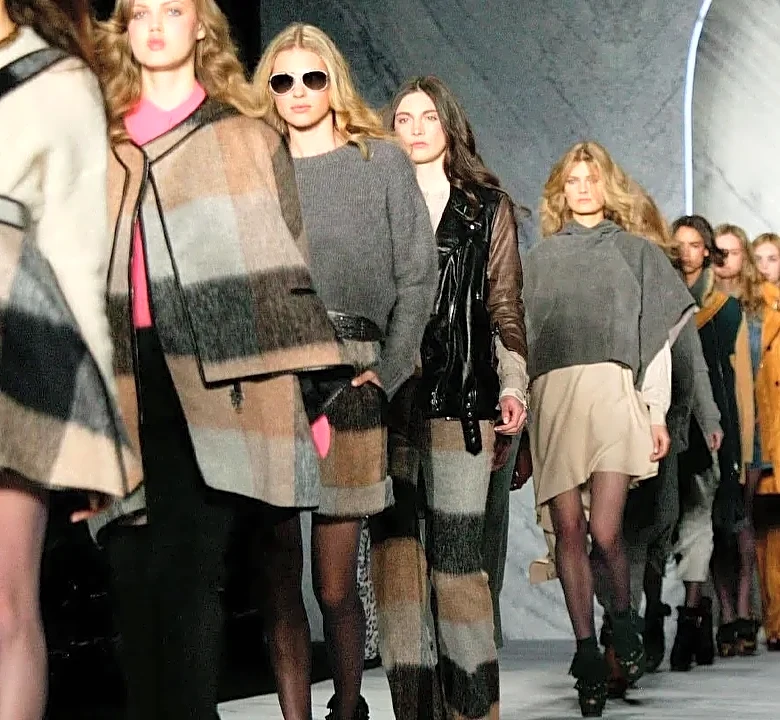
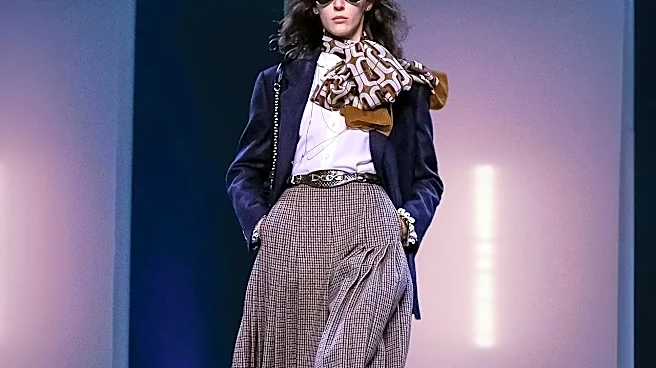
Flash forward to today, and the streets of Copenhagen during fashion week look like a modern evolution of this same code. While often celebrated for pops of color and playful silhouettes, the foundational layer of Danish style is pure utility. It’s seen in the prevalence of high-quality, functional outerwear—a necessity in a city known for its unpredictable weather and bike-centric lifestyle. Designers and locals alike prioritize pieces that work: wide-leg trousers that are easy to move in, flat-soled sneakers or boots, and oversized knits perfect for layering. The look is pulled-together but never precious. It’s a wardrobe built for movement and practicality, where a stylish trench coat is also expected to be genuinely rainproof. This focus on long-lasting, versatile garments is a direct echo of the Gen X demand for quality over quantity.
A Philosophy of Practicality
This shared aesthetic is no coincidence; it’s a matter of cultural alignment. The Danish concepts of hygge (coziness and contentment) and a general preference for egalitarianism resonate with the Gen X rejection of overt status symbols. In Denmark, an expensive-looking outfit that isn't comfortable or practical for cycling from a meeting to a casual dinner with friends is seen as a failure of design. This philosophy treats clothing as a tool for living well, not just as decoration. The focus is on clean lines, durable materials, and a neutral palette that makes getting dressed simple and efficient. This isn't about being anti-fashion; it’s about a different definition of style, one where luxury is found in a garment's feel, longevity, and ability to seamlessly integrate into daily life.
Enduring, Not Trendy
While fashion cycles through decades at a dizzying pace, the Gen X utility codes have remained uniquely relevant in Denmark because they were never just a trend there—they’re a way of life. The Danish fashion industry itself was solidifying its modern, design-led identity in the 1990s, just as these global trends were taking hold. This created a perfect fusion of a generational mindset with a national design character. The result is a style that feels both timeless and completely contemporary. It avoids the theatricality of other fashion capitals in favor of a confident ease. The most coveted pieces are often the most functional: the perfect rain jacket, the wear-everywhere tote bag, the comfortable-yet-chic boots. It proves that the most enduring styles aren't born on runways, but from the demands of a well-lived life.