



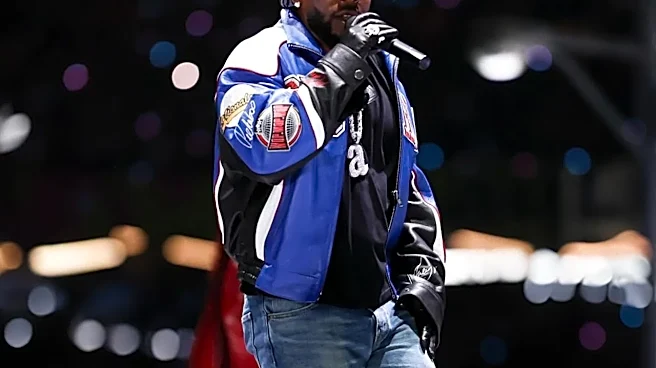
Your Brain on a Throwback Beat
That feeling of being zapped back in time by a song is a real neurological event called a music-evoked autobiographical memory. When your ears pick up a familiar tune, your brain’s auditory cortex gets to work, but it doesn't act alone. It sends signals
straight to the hippocampus, the brain’s memory filing cabinet, and the prefrontal cortex, which helps reconstruct those memories in vivid detail. Music engages multiple parts of the brain at once. Because our most formative years—often our teens and early twenties—are when our brains are wiring these song-to-memory connections most strongly, the music from that era becomes a superhighway to our past selves. The songs we loved are encoded with the emotions and events we lived through, creating a potent trigger for recall.
The Irresistible Power of the Hook
The “hook” is named for a reason: it’s designed to catch you and not let go. In hip-hop, this can be a simple drum pattern, a looped sample, or a repeated lyrical phrase. The brain loves patterns and predictability. Repetition makes a piece of musical information easier to process and store in long-term memory. When you hear that iconic opening to a song you’ve heard hundreds of times, your brain anticipates what’s coming next, and that familiarity delivers a small but satisfying hit of pleasure. This is why you can not hear a song for a decade, but the second the hook drops, you’re singing along, word for word. That hook isn't just a sound; it's a key that unlocks a specific emotional and temporal file in your mind.
It’s Not Just Your Memory, It’s Our Memory
Nostalgia isn’t always a solo activity; it can be a powerful, collective experience. When a hip-hop tribute honors an artist or an era, it’s tapping into a shared cultural memory bank. For millions, a certain album wasn't just the soundtrack to their own life, but to the life of their entire generation. That music played at high school dances, in friends' cars, and on the radio in every city. This creates what’s known as collective nostalgia. Hearing that music in a group setting, like at a concert or even watching a show at home, reinforces the feeling that you were part of something bigger. It connects people through shared experiences, creating a powerful sense of community and belonging built on a common cultural touchstone.
The Special Sauce of Hip-Hop Nostalgia
While all music can be nostalgic, hip-hop has a unique power. The genre is deeply tied to specific cultural moments—the fashion, the language, the social issues, and the politics of the time. For many, hip-hop wasn't just music; it was a cultural education that shaped their understanding of the world. Furthermore, the art of sampling, which is foundational to the genre, adds another layer. A classic hip-hop track might sample a 70s soul or funk record, creating a double dose of nostalgia—one for the hip-hop song itself, and another for the original track it borrowed from. The storytelling nature of MCing also plays a role; lyrics often paint vivid pictures of a time and place, making the memories they trigger incredibly specific and potent.