





A Thriller in Search of a Pulse
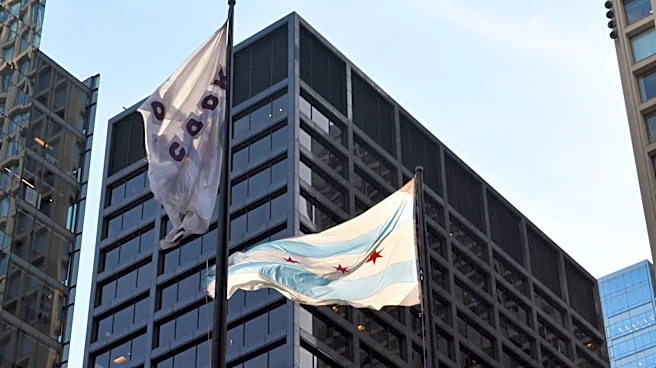
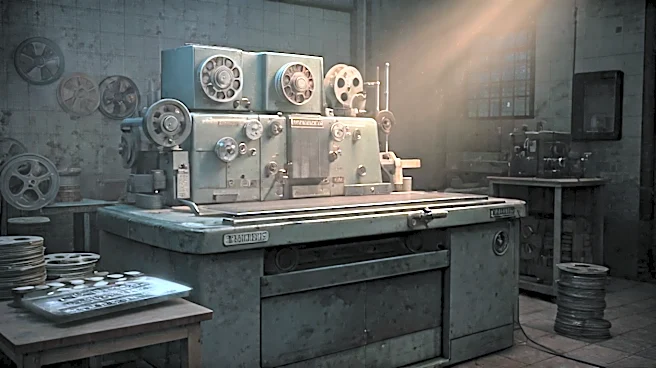
Before it was a box office titan, "The Fugitive" was a sprawling collection of scenes and a mountain of film. Director Andrew Davis had captured gritty, realistic footage across Chicago, but the initial cut was long and faced a tight post-production schedule
to meet its August 1993 release date. The script itself was famously fluid, with lines and entire scenes being rewritten on set daily. This left the editorial team with the monumental task of finding the perfect thriller hidden within the raw footage. The studio was nervous, and the pressure was on to deliver a film that could justify its star power and the spectacular, one-take train crash sequence that cost a fortune. The raw elements were there, but the film needed its heartbeat, a relentless forward momentum that would grab audiences and never let go.
The Weekend Warriors of the Edit Bay
This is where the legend of the "weekend cut" comes in. Facing a studio screening and a looming deadline, a team of editors, including Don Brochu, Dennis Virkler, and David Finfer, were tasked with assembling the film into a coherent, thrilling package. It wasn't one person or a single snip with a pair of scissors. It was a collaborative, high-stakes sprint. Director Andrew Davis described the process as going from room to room, like a dentist, working with each of the six editors to shape the film. This intense period was about making big, decisive choices—trimming dialogue, reordering sequences, and finding the rhythm that would define the movie. It was about proving to a nervous studio that they didn't just have a movie; they had a hit.
The Magic of Subtraction
So what did they actually do during that frantic period? They practiced the editor’s most powerful art: subtraction. The team made crucial decisions to streamline the story. For example, a romantic subplot involving a character played by Julianne Moore was significantly trimmed, with the filmmakers deciding it was inappropriate for Dr. Richard Kimble to be pursuing a new love interest while on the run for his wife’s murder. The focus became laser-sharp: Kimble's hunt for the one-armed man and U.S. Marshal Samuel Gerard's hunt for Kimble. Scenes were tightened to prioritize action and information, removing anything that slowed the pace. The film's iconic opening, which intercuts a violent flashback with a tense police interrogation, is a masterclass in economical storytelling, giving the audience just enough information to feel Kimble's desperation without getting bogged down in exposition.
From Hired Hands to Oscar Glory
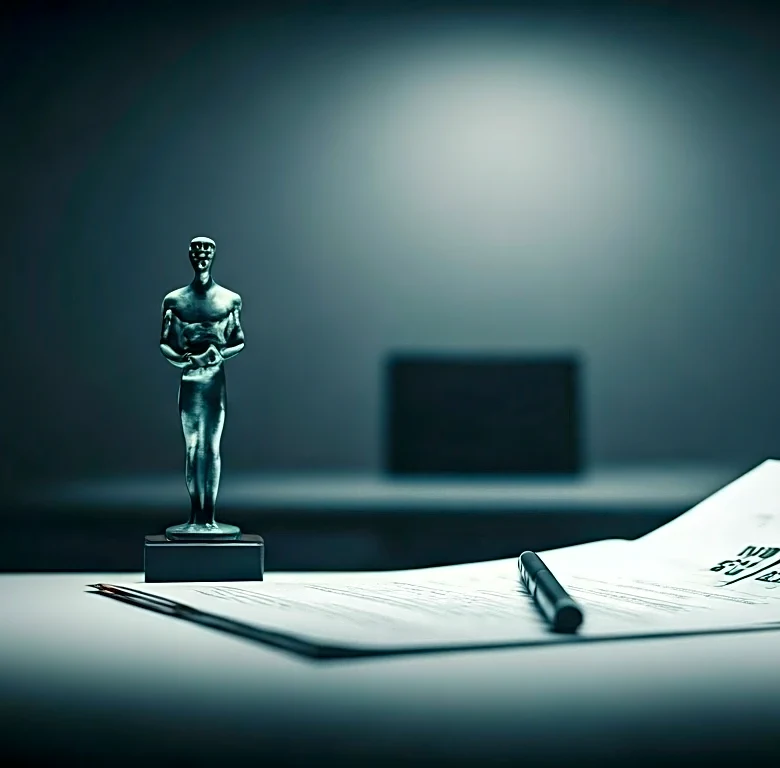
The result speaks for itself. The studio was thrilled with the cut, with Harrison Ford reportedly giving the director a kiss after the screening. The film went on to become a critical and commercial juggernaut, grossing over $368 million worldwide and becoming the third-highest-grossing film of 1993. More importantly, the incredible work done in the edit bay was recognized by the industry. The team of six editors received a rare and well-deserved Academy Award nomination for Best Film Editing. While Tommy Lee Jones took home the Oscar for Best Supporting Actor, the nomination for the editors validated the claim that their work was instrumental to the film's success. It was a testament to the fact that a film can truly be saved, and a classic made, long after the cameras have stopped rolling.